


If you’ve ever had your lights flicker when you turn on the microwave or wondered why your breaker trips every time you plug in a new device, you’re not alone. Electrical Panel Upgrades & Changeouts might not be the most exciting home improvement, but they’re important for keeping your house safe and running smoothly. As our homes fill up with more gadgets and appliances, the old panels just can’t keep up. Sometimes, the signs are obvious—like a burning smell or a panel that looks like it’s seen better days. Other times, it’s just higher bills or trouble adding new tech. Let’s look at when and why you should consider making the switch.
Key Takeaways
- Frequent breaker trips, flickering lights, or burning smells are big warning signs your electrical panel might need an upgrade.
- Older panels, especially those over 25 years old or made by recalled brands, can be unsafe and may not meet current codes.
- Upgrading your panel can lower your energy bills and make your home safer, sometimes even reducing your insurance premium.
- If you’re adding new appliances, renovating, or planning for things like EV chargers or solar panels, you’ll probably need more electrical capacity.
- A modern electrical panel can make your home more attractive to buyers and help avoid headaches during inspections or resale.
Key Signs That Indicate You Need Electrical Panel Upgrades & Changeouts
Upgrading your electrical panel isn’t something most homeowners think about—until issues force you to pay attention. There are a few warning signs that usually mean the panel isn’t safe for long-term use, or it can’t keep up with modern power needs. Spotting these issues early can save you a costly headache down the road, so let’s look at what you need to watch out for.
Frequent Circuit Breaker Trips and Power Surges
If your breakers trip often or your lights flicker during routine activities, it usually points to a panel overload. Frequent trips or random surges are the panel’s way of saying it can’t safely distribute all the power your home needs. It’s tempting to just reset the breaker and move on—but if tripping becomes a pattern, there’s probably an underlying problem.
Common signs of a struggling panel:
- Having to reset breakers more than once a month
- Needing to unplug one appliance so you can use another
- Devices losing power or charging unusually slow
Aging Panels or Obsolete Technology
Electrical panels aren’t meant to last forever. If yours is over 25 years old, or it uses outdated features like fuses instead of modern breakers, it probably can’t meet the demands of current electronics and appliances. Old panels tend to max out at much lower amperage (think: 60 or 100 amps) compared to the 200 amps most homes use today.
Main warning signs your panel is out of date:
- The panel feels warm, even when not much is running
- Rust, visible corrosion, or stuck switches
- You see brand names (like Federal Pacific or Zinsco) that are known to have faulty designs
Physical Damage or Evidence of Overheating
It’s worth taking a close look at your panel every few months. Blistering, melted wires, or burn marks are obvious red flags. Also, scorch marks around electrical outlets throughout your house usually point back to panel issues.
Table: Common Forms of Physical Damage and What They Mean
| Damage Type | What It Suggests |
|---|---|
| Burn marks | Overheating inside the panel |
| Corrosion/rust | Water intrusion or old equipment |
| Melted insulation | Wires are carrying too much load |
Unusual Noises, Smells or Burn Marks
Electrical panels should hum softly, almost like a fridge running in the background. Anything more—buzzing, sizzling, or a faint burnt odor—is a hazard. These noises and smells usually mean something is arcing or wires are loose and sparking.
- Hissing, crackling, or persistent buzzing from the panel
- Any smell like burning plastic, ozone, or smoke
- Unexplained dark or brown streaks near the panel or around outlets
If you spot any one of these signs, don’t ignore them—what seems minor now can turn into a big safety issue fast. Have a licensed electrician check things out right away. Fixing the problem now is much safer (and cheaper) than waiting for a breakdown.
Risks Associated With Aging or Undersized Electrical Panels
Potential Fire Hazards and Safety Concerns
Old or overloaded electrical panels can be serious trouble for homeowners. A worn-out panel is much more likely to overheat or even catch fire, especially if it can’t manage the amount of electricity modern homes need. Common things like rust, burnt areas, or melted wires inside or around your panel aren’t just cosmetic issues—they usually mean there’s real danger lurking. Sometimes people ignore buzzing or sizzling sounds or just hope that odd burning smell goes away, but those are signs you shouldn’t overlook.
- Overheating wires or panels can lead to electrical fires
- Damaged components could cause electrical shock
- Unstable supply can fry sensitive devices
If you ever notice scorch marks, melted insulation, or something smells off at your panel, that’s not the time to wait and see. Get a professional to check it out before things get worse.
Non-Compliance With Updated Electrical Codes
Electrical codes keep getting updated for a reason: safety. An older panel probably isn’t up to the latest standards, especially if it’s still running on fuses or low-amperage circuits. When your panel doesn’t meet new building codes, it could spell trouble not only for your home’s safety but also if you ever want to sell. Inspections get stricter every year, and a panel stuck in the last century can mean failed home sales or expensive emergency repairs before you pass an inspection.
Common code-related risks:
- Old, recalled, or obsolete panel brands still in use
- Improperly grounded or wired systems
- Insufficient capacity for new devices or technology
Here’s a quick table showing how panel age impacts code compliance:
| Panel Age (Years) | Likelihood of Code Compliance |
|---|---|
| 0-10 | High |
| 10-20 | Moderate |
| 20+ | Low |
Increased Energy Bills and Reduced Efficiency
If your panel hasn’t kept up with family life—think: more gadgets, appliances, and chargers than ever—it’s likely running hot and using more power than needed. Panels that are too small for the job can make your lighting flicker and cause some devices to run poorly. What you might not realize is: Inefficient panels waste energy and can drive up monthly power bills over time.
Here are a few ways a struggling panel can hit your wallet:
- Older, corroded parts generate heat and lose energy
- Frequent breaker trips disrupt appliance efficiency
- Inefficient electricity distribution throughout the house
Simply put: Upgrading your panel isn’t just about avoiding risk. It could save you money and give your home’s whole electrical system a breath of fresh air.
The Benefits of Electrical Panel Upgrades & Changeouts
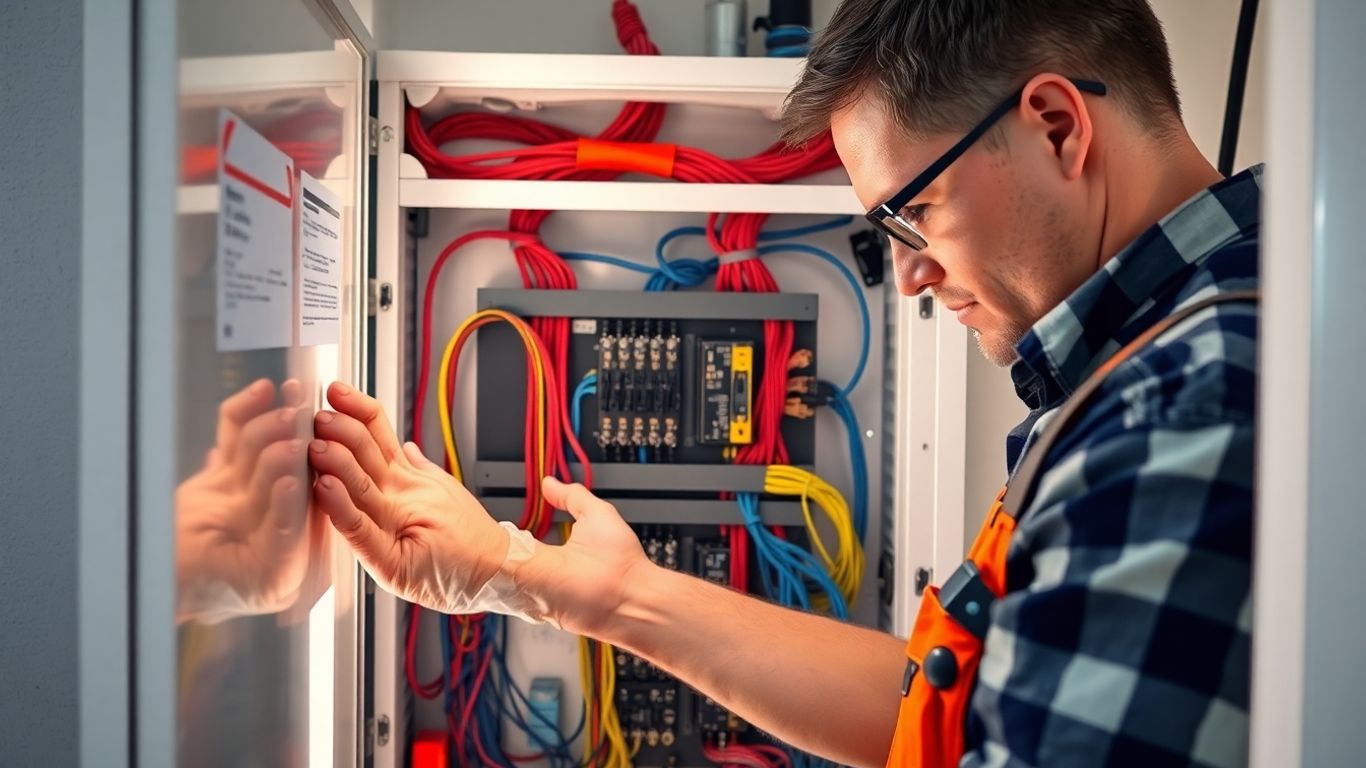
Getting your electrical panel upgraded might not sound like a fun weekend project, but it’s one of those changes that pays off in ways you may not expect. Besides just being safer, a new panel can actually make everyday living easier and cut down on a few nagging expenses.
Enhanced Energy Efficiency and Lower Costs
Modern electrical panels are designed to supply power without wasting as much electricity. As outdated panels age, they tend to lose efficiency, leaking extra power and pushing your bills higher. A panel that’s the right size for your home lets appliances run smoothly, so you don’t pay for power you aren’t even using. Plus, you might also see some bonus perks—some insurance policies offer savings if your home has a recent electrical upgrade. Here’s a quick look at potential savings:
| Upgrade Benefit | Estimated Impact |
|---|---|
| Monthly Energy Bills | ↓ 5-15% (more efficient) |
| Homeowners Insurance | ↓ Up to 10% discount |
| Repair Costs (Avoided) | ↓ Ongoing maintenance |
With a fresh electrical panel, it’s easier to keep your energy usage in check and avoid unexpected hikes in bills from an overworked system.
Expanded Capacity for Modern Appliances
We all have more gadgets these days, and it’s not just about toasters or coffee makers anymore. Think bigger—maybe you want to add a hot tub, build an outdoor kitchen, or install an electric vehicle charger. New panels are built for today’s tech-heavy lifestyle, while old ones weren’t set up to handle big power draws. When you upgrade, you can:
- Stop worrying about flipping breakers when you plug in heavy-duty equipment
- Operate multiple large appliances at the same time
- Prepare your home for installations like solar systems or home battery backups
Offering more electrical capacity also means less risk when new appliances come along—no more wondering, "Is my system strong enough for this?"
Better Protection for Home and Devices
Older panels don’t just struggle with supplying enough power—they can also leave your expensive electronics and appliances vulnerable. Power surges, overheating, and faulty wiring are a lot more likely if your panel is out of date or overloaded. A new panel is engineered to trip safely and consistently, slashing the risk of electrical fires or device breakdowns. You’ll likely notice:
- Fewer breaker trips when you’re running lots of devices
- Less chance of damaging your TV, computer, or kitchen gadgets
- More dependable, steady power throughout every room
Upgrading isn’t just about what’s new—it’s also about keeping what you already own safe. Upgrading has the bonus of making your home more attractive if you decide to sell, and makes it a more valuable investment overall, as noted in improves efficiency, reduces the risk of damage, and can increase home value.
When you add it up, upgrading your electrical panel just makes sense, especially as modern living means more plugs, more appliances, and more demands than ever before.
When To Consider Electrical Panel Upgrades & Changeouts in Your Home
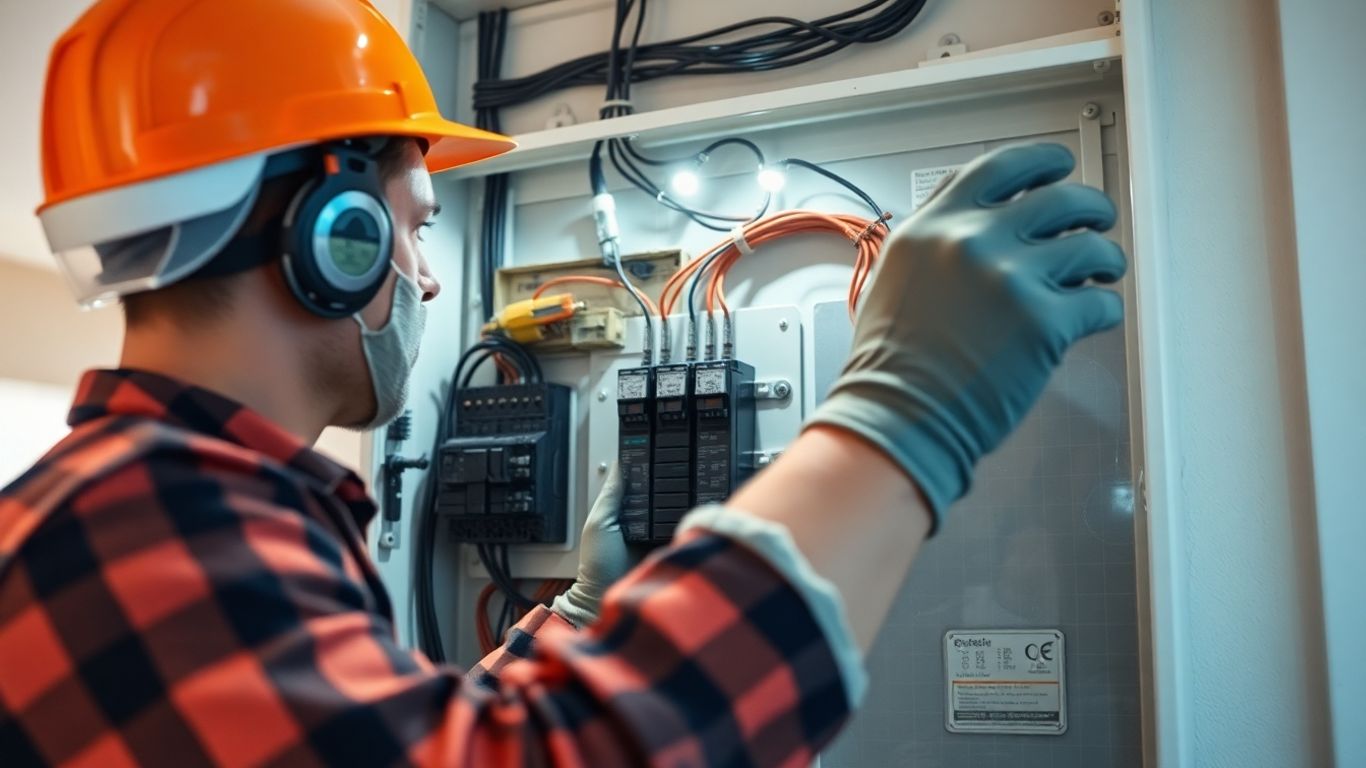
Upgrading your electrical panel might not be at the top of your mind, but certain moments make it almost unavoidable. Knowing when it’s time can help you avoid bigger headaches, save money, and make your home safer and more reliable.
Home Renovations or Additions
Whenever you add new rooms or update significant spaces—think finishing a basement or building an extension—you’re probably adding stress to your current electrical panel.
- New outlets or lighting dramatically raise the demand for power.
- Most older panels don’t handle modern needs well, leading to constant breaker trips or even overloaded circuits.
- A kitchen renovation, for example, often brings new appliances like double ovens or induction cooktops that pull more power than your original panel was meant to provide.
If you’re renovating, an upgrade isn’t just smart—it’s sometimes required by code. You might notice obvious warning signs like lack of space for new breakers or frequently resetting circuits during construction, which means it’s time to review your panel’s capacity with a professional.
Installing Electric Vehicle Chargers or Solar Panels
Upgrading your electrical panel is practically a must if you’re integrating major tech like EV chargers or adding solar power. These devices can push your panel to its limit.
- An EV charger alone might use nearly one-third of a home’s available electricity.
- Solar panels often require updated panels or breakers to safely connect to your household system.
- Bidirectional charging—letting your car send power back to the home—demands modern panel features that old systems just don’t have.
Here’s a quick comparison table to show the impact:
| Device | Typical Power Requirement |
|---|---|
| Kitchen Oven | 30–50 amps |
| Central AC Unit | 20–60 amps |
| EV Home Charger | 32–50 amps |
| Modern Home Office | 15–20 amps |
Without extra amperage, even the best gadgets become useless—or risky to run. For more details on signs you need an update, like frequent breaker trips, you can browse common indicator patterns.
Preparation for Future Smart Home Technologies
Maybe you’re not upgrading today, but planning ahead can save you time and money. The rise of smart speakers, security systems, and climate controls means more devices plugged in, often at the same time.
- Smart systems sometimes need dedicated circuits.
- Outdated panels can hold back upgrades or make future changes costly.
- Making the switch now means less disruption in the future and peace of mind knowing you’re ready for whatever comes next.
An electrical panel that’s too small, outdated, or overloaded is more than just inconvenient. It can slow down your home’s progress, run appliances inefficiently, and become a safety hazard. When in doubt, reach out to a pro to evaluate what your house actually needs—and plan for both current and future changes.
How Electrical Panel Upgrades & Changeouts Can Impact Home Value and Insurance
Upgrading your electrical panel can make a bigger difference in your home’s value and insurance than most people think. With modern panels, potential buyers see reliability and safety, and insurance companies often reward those improvements. Let’s break down exactly how new electrical panels play into home value and coverage costs.
Attracting Potential Home Buyers
- Modern electrical panels signal that the home’s system can support today’s tech-heavy lifestyles.
- Buyers are increasingly aware of electrical safety—old panels are red flags and can make them walk away or negotiate a lower price.
- The right upgrade—especially moving to a 200-amp panel—lets buyers plan for things like EV chargers, new kitchen appliances, or even solar.
If you plan to put your home on the market, remember that the panel is one of the items an inspector will check. Hidden issues or outdated panels could easily drag out negotiations or tank deals.
Lowering Insurance Premiums Through Increased Safety
Many insurance companies offer lower premiums for homes with updated panels, and they’re quick to hike rates for older fuse boxes or known-problem brands like Federal Pacific. Why? Because:
- New panels reduce the risk of short circuits or fire,
- They comply with the latest safety codes,
- Insurers see them as a signal that you’re reducing their risk too.
Here’s a quick look at how panel type might impact your insurance:
| Panel Type | Fire Risk | Average Insurance Premium Impact |
|---|---|---|
| Modern (Post 2000) | Low | -5% to -10% |
| Outdated (Pre 1980) | High | Premium usually higher |
| Known Trouble (FPE/Zinsco) | Very High | Coverage often denied or very costly |
Compliance With Inspection and Resale Requirements
When it comes to selling, passing inspection is a must. Local codes can disqualify outdated panels:
- Inspectors may require full replacement as part of the sale process.
- Non-compliance can delay closing, requiring last-minute fixes that buyers usually refuse to pay for.
- Your home may even be uninsurable unless you address the problem up front.
Simply put, staying ahead with a panel upgrade prevents headaches and positions your house as ready for today’s wiring needs. The up-front spend to replace an old panel is often offset by a smoother sale and better home insurance rates. Buyers value homes that are ready for the future; insurers want fewer risks. A new electrical panel ticks both boxes.
What To Expect During the Electrical Panel Upgrade Process
Upgrading your electrical panel isn’t something most homeowners do every day, so it’s normal to wonder what the whole process actually looks like. Let’s break down exactly what happens, what you’ll need to think about, and who should be involved when it’s time to change out your panel.
Assessing Load and Choosing the Correct Panel Size
Every house uses a different amount of power, and your new panel should be big enough to fit those needs. The electrician will usually walk through your home, check out all the gadgets, appliances, and systems that use electricity, and sometimes even ask about future plans (think: getting an EV charger or installing a hot tub). They’ll figure out your home’s total load and recommend a panel size that won’t leave you short on power.
Here’s a very basic example of how panel sizing can break down:
| House Size | Typical Main Panel Size |
|---|---|
| Small (<1,200 sq ft) | 100 amps |
| Medium (1,200–2,500 sq ft) | 150–200 amps |
| Large (>2,500 sq ft) | 200 amps or higher |
But remember, special equipment or plans mean you might need more.
Timeline and Preparation Steps
You might assume the swap is instant, but there’s a bit more to it. Here’s what usually has to happen:
- Consultation and load evaluation.
- Scheduling with a licensed electrician (availability can vary—sometimes you wait a week, sometimes longer).
- Electricity will need to be shut off during the swap (plan for several hours without power).
- If your neighborhood requires it, utility coordination or city permits may add a day or two to the timeline.
- Once installed, the panel usually needs to be inspected before everything’s turned back on.
Most upgrades finish in a day, but if complications come up—old wiring, tricky panel placement, permit slowdowns—it might stretch into a second day.
Block out the day and prep your fridge (and maybe charge your devices); losing power is never fun, but a little planning smooths the process.
Hiring a Licensed Electrician for Safe Installation
Don’t even think about DIY-ing this one. Working inside an electrical panel can be dangerous and, in most places, only licensed pros should touch the job. This isn’t just about following the rules—it’s about peace of mind and safety for you and anyone else living in the house.
Here’s what a reputable electrician does:
- Checks the whole electrical system for issues or outdated wiring
- Talks you through panel options that meet current code
- Installs the panel, connecting every circuit safely
- Coordinates inspections and approvals (where needed)
- Explains how your new breaker box works before heading out
Bottom line: A good electrician is worth every penny, protecting your house from hazard and keeping your insurance (and local inspectors) happy.
Modern Options and Innovations in Electrical Panel Technology
As homes and businesses rely more on electricity, electrical panel technology keeps moving forward. Today’s panels aren’t just boxes of switches; they’ve become smart hubs for managing power, saving money, and supporting new tech. Here’s a closer look at how things are changing and what’s new.
Advantages of Smart Electrical Panels
Smart electrical panels are changing how we use energy at home. These panels do more than handle power—they make it easier to keep tabs on every circuit with real-time data. Here’s what makes them stand out:
- Remote monitoring lets you check on your electrical system from your phone or computer.
- Power scheduling helps you run heavy appliances when rates are lowest.
- Voltage balancing keeps sensitive devices, like computers and smart TVs, safer from power spikes.
- Notifications let you know if something goes wrong, like a tripped breaker or overheating wire.
Smart panels put you in control, so you can quickly fix issues before they become bigger problems.
Bidirectional Charging and Renewable Integrations
Modern electrical panels can now work with renewable energy and electric vehicles in ways that weren’t possible before. For homeowners installing solar or an electric car, bidirectional charging means your EV can store power and even supply it back to your home or the grid. This feature supports energy flexibility and can even save money on your bills.
The table below compares key options:
| Feature | Traditional Panels | Smart Panels |
|---|---|---|
| Works with EV chargers | Sometimes | Yes |
| Solar power integration | No/Partial | Yes |
| Bidirectional charging | No | Yes |
| Remote monitoring | No | Yes |
You might see more panels supporting solar and EV needs as industry trends evolve.
Monitoring and Managing Your Home’s Energy Usage
With smart panels, energy usage doesn’t have to remain a mystery. Instead of guessing which appliances are draining power, you can track usage by circuit or device. This makes monthly bills less of a surprise and helps you find ways to save. Here’s what this looks like:
- Track where energy is going—kitchen, HVAC, lighting, EV charger, etc.
- Get alerts for unusual spikes so you can act before costs add up.
- See historical data to spot trends and adjust habits.
If you add solar or battery storage in the future, these panels make the transition easier—they’re designed to connect with whatever comes next.
For anyone interested in futureproofing their home, modern panels are a smart way to get ready for the tech and energy needs of tomorrow.
Conclusion
So, at the end of the day, upgrading your electrical panel isn’t just about keeping up with the latest gadgets or adding a few more outlets. It’s really about making sure your home stays safe, your appliances run smoothly, and you’re not left in the dark—literally or figuratively. If you’ve noticed your breakers tripping a lot, your lights flickering, or your panel just looks like it’s seen better days, it might be time to call in a pro. Even if everything seems fine, an old panel can still be a hidden problem waiting to happen. Upgrading can also help you save on insurance and maybe even your energy bills. It’s not the most exciting home project, but it’s one you’ll be glad you did. When in doubt, talk to a licensed electrician—they’ll help you figure out what’s best for your place and give you some peace of mind.
Frequently Asked Questions
How do I know if my electrical panel needs to be upgraded?
Some signs you might need an upgrade are if your circuit breakers trip a lot, your lights flicker often, or if your panel is more than 25 years old. Other warning signs include strange smells, buzzing noises, or burn marks around the panel.
Is it safe to upgrade my electrical panel by myself?
No, upgrading an electrical panel is dangerous and should only be done by a licensed electrician. Working with electricity can be very risky if you don’t have the right training and tools.
How long does it take to upgrade an electrical panel?
Most electrical panel upgrades take about one day, but sometimes it can take longer if there are extra repairs or if your home needs more updates.
Will a new electrical panel help lower my energy bills?
Yes, a new panel can make your home use electricity more efficiently. This means you might see lower energy bills, especially if your old panel was causing power to be wasted.
Can a new electrical panel increase my home’s value?
Yes, upgrading your electrical panel can make your home safer and more attractive to buyers. It can also help you get better rates on your home insurance.
Do I need to upgrade my panel if I’m adding new appliances or an electric car charger?
If you’re adding big appliances or something like an electric car charger, you may need a panel upgrade. These items use a lot of electricity, and your current panel might not be able to handle the extra load.
