


As the weather turns colder and we spend more time indoors, it’s a good time to think about the electrical systems in our homes. Little issues can pop up, and sometimes they’re more than just a minor annoyance. We’ve put together some common problems we see this time of year and what we can do about them. It’s not always something you can fix yourself, and that’s okay. Knowing when to get help is part of keeping things running smoothly.
Key Takeaways
- Sudden lights flickering or power dips might point to bigger problems with your home’s wiring or the utility supply. We should look into these early.
- Circuit breakers tripping often means a circuit is overloaded or there’s a fault. We can figure out if it’s just too much plugged in or something needing professional attention.
- For persistent or complex electrical problems, calling for electrical troubleshooting services is the safest and most effective way to get things fixed right.
Addressing Power Surges And Flickering Lights
November often brings colder weather, and with it, increased use of heating systems and other appliances. This can sometimes lead to issues with our home’s electrical system, like power surges or lights that flicker. We’ve noticed this happening more often ourselves lately, and it’s worth looking into.
Identifying The Cause Of Power Fluctuations
When lights flicker or you experience a sudden surge, it’s easy to get worried. Often, the cause is simpler than we think. It could be something as basic as a large appliance, like an air conditioner or a microwave, kicking on and drawing a lot of power momentarily. This temporary dip or spike can cause lights on the same circuit to dim or flicker.
Here are a few common culprits we’ve found:
- Large Appliances: As mentioned, things that use a lot of energy when they start up. Think refrigerators, washing machines, or even electric heaters.
- Faulty Wiring: Older homes, especially, might have wiring that’s not up to current standards or has become worn over time. Loose connections can cause intermittent power issues.
- External Factors: Sometimes, the problem isn’t even inside our house. Issues with the utility company’s equipment or even a storm can cause temporary power fluctuations that affect our homes.
- Overloaded Circuits: Too many devices plugged into one outlet or circuit can strain the system, leading to flickering.
We also found that sometimes, a simple loose bulb in a fixture can cause a flickering effect that seems more serious than it is. It’s always good to check the easy things first.
It’s important to distinguish between a brief flicker when a major appliance starts and a more persistent, random flickering. The former is often normal, while the latter could signal a problem needing attention.
When To Call For Electrical Troubleshooting Services
While we can often fix minor issues ourselves, some problems require a professional touch. If you’ve checked the simple things and the flickering or surges continue, it’s probably time to call in an electrician. We learned this the hard way last winter when a persistent flickering turned out to be a loose connection in our main breaker box. That’s not something we felt comfortable messing with.
Here are some signs that indicate it’s time to get professional help:
- Frequent Tripping Breakers: If your circuit breakers trip often, even when you haven’t overloaded the circuit, there’s likely an underlying issue.
- Persistent Flickering: Lights that flicker randomly, not just when appliances turn on, can point to wiring problems.
- Burning Smells or Discolored Outlets: These are serious warning signs of overheating and potential fire hazards. Don’t ignore these.
- Sparks or Buzzing Sounds: Any unusual noises or visual signs from outlets or switches should be addressed immediately.
- Old or Damaged Wiring: If your home has very old wiring, or you see visible damage, it’s wise to have it inspected.
We found that trying to diagnose complex electrical issues without the right knowledge can be dangerous. Calling a qualified electrician ensures the problem is fixed safely and correctly. They have the tools and experience to pinpoint the exact cause, whether it’s faulty wiring, an issue with your service entrance, or something else entirely.
Resolving Circuit Breaker Tripping Issues
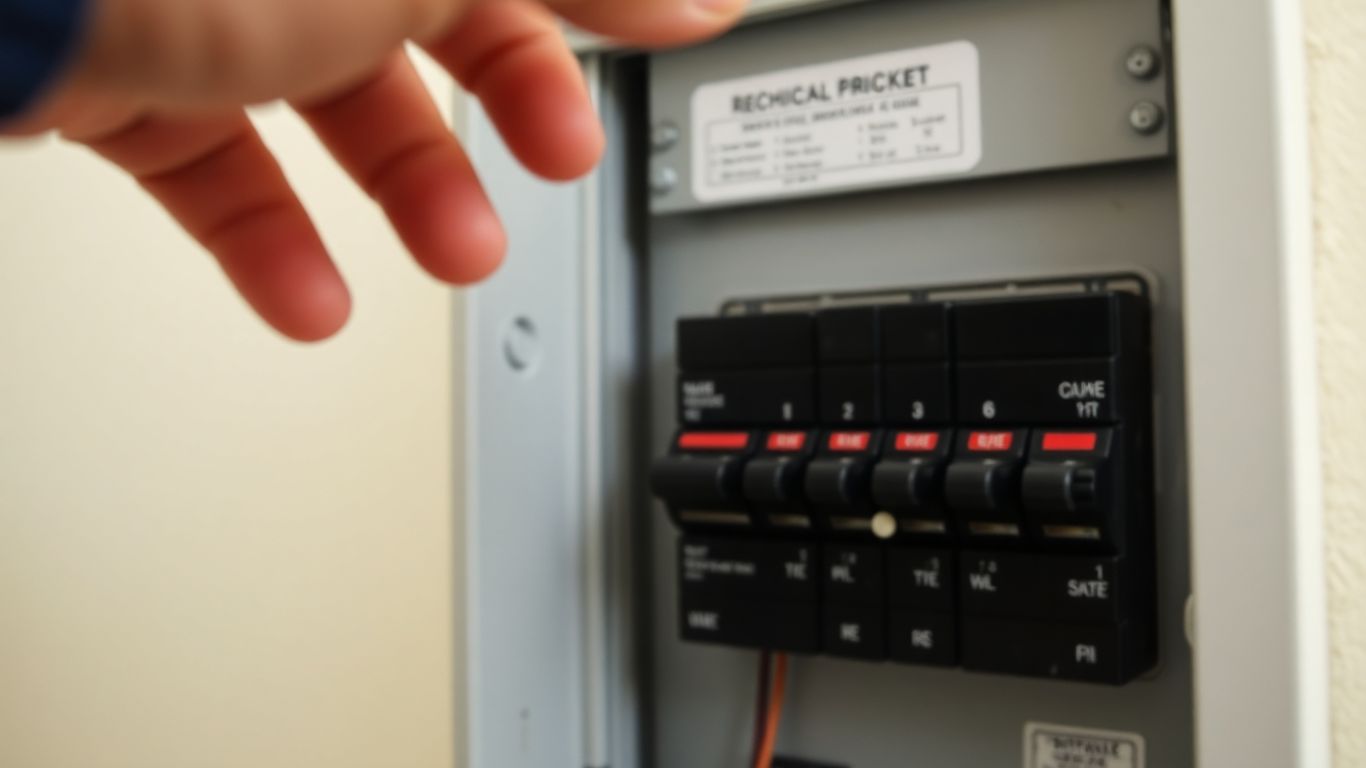
We’ve all been there: you’re in the middle of something important, and suddenly, the power goes out in one part of your house. More often than not, this means a circuit breaker has tripped. It’s a common issue, especially as we start using more appliances and heating systems in November. Let’s figure out why this happens and what we can do about it.
Understanding Overloaded Circuits
An overloaded circuit is probably the most frequent reason a breaker decides to take a break. Think of a circuit like a highway for electricity. If too many cars (appliances) try to use it at once, it gets jammed, and the breaker acts like a traffic cop, shutting everything down to prevent a bigger problem. This is a safety feature designed to stop wires from overheating, which could lead to a fire.
- Common culprits for overloading include:
- Running multiple high-wattage appliances on the same circuit simultaneously. This could be a microwave, a toaster, and a coffee maker all going at once in the kitchen.
- Using space heaters in rooms that already have a lot of other devices plugged in.
- Seasonal items like holiday lights, especially if they’re older or daisy-chained improperly.
If you notice the breaker trips only when you use specific combinations of appliances, an overload is likely the cause. The fix is usually simple: redistribute your appliance usage across different circuits.
It’s easy to forget how much power everyday items draw. A simple space heater can pull a lot of electricity, and when combined with other devices, it can quickly exceed the circuit’s limit. Always check the wattage of your appliances and be mindful of what else is running on the same circuit.
Troubleshooting Persistent Breaker Trips
Sometimes, a breaker trips even when you don’t think you’re overloading anything. This can be more concerning and might point to a deeper issue. If a breaker trips repeatedly, even after you’ve tried to reduce the load, it’s time to investigate further.
- Possible causes for persistent tripping include:
- A faulty appliance: Sometimes, an appliance itself can develop an internal short circuit, causing the breaker to trip every time it’s plugged in or turned on. Try unplugging all devices on the circuit and then plugging them back in one by one to identify the offender.
- Wiring problems: Over time, electrical wiring can become damaged, loose, or corroded. This can create resistance and heat, leading to the breaker tripping.
- A weakened circuit breaker: Breakers, like any mechanical device, can wear out. An older breaker might become overly sensitive and trip at lower-than-normal loads.
If you’ve tried redistributing loads and identified no single faulty appliance, it’s best to call a qualified electrician. They have the tools and knowledge to safely test your wiring and breakers. Ignoring persistent tripping can be dangerous, as it might indicate a serious electrical fault that needs professional attention.
Wrapping Up Our November Electrical Check
So, we’ve gone over some of the common electrical hiccups that might pop up as the weather gets colder. It’s easy to forget about these things until a problem hits, right? We hope this guide has given you a clearer picture of what to look for and how to handle some of those tricky situations. Remember, when in doubt, it’s always best to call in a professional. Safety first, always. We’ll catch you next time with more tips to keep your home running smoothly.
Frequently Asked Questions
What should we do if our lights keep dimming and brightening?
When lights flicker or dim unexpectedly, it often points to a problem with the power supply. This could be a loose connection somewhere in our wiring, or perhaps a major appliance is drawing too much power when it starts up. We should first check if it happens when a specific appliance is turned on. If the issue persists or seems widespread, it’s best to have a professional electrician take a look to ensure everything is safe and working correctly.
Why does our circuit breaker keep shutting off?
A tripped circuit breaker is usually a sign that too much electricity is trying to flow through that circuit. This can happen if we plug in too many devices or if a particular appliance is using more power than it should. Sometimes, a faulty appliance can also cause this. If the breaker trips repeatedly, even after we’ve unplugged some things, it might mean there’s a deeper issue with the wiring or the breaker itself that needs expert attention.
When is it time to get a professional electrician to help with our electrical problems?
We should definitely call for professional help if we notice any strange smells, like burning, coming from outlets or switches. Also, if we see sparks, or if outlets feel warm to the touch, these are serious warning signs. Persistent issues with flickering lights or breakers that keep tripping, even after simple checks, are also good reasons to bring in an expert. It’s always better to be safe and let someone with the right knowledge handle potentially dangerous electrical situations.
