


Thinking about upgrading your home’s electrical system? It’s a smart move, especially if your house is older or if you’re starting to notice things like flickering lights or tripped breakers. A lot of people put this off, but modern homes use way more power than ever before, and old wiring or panels just can’t keep up. Upgrading isn’t just about keeping up with the times—it’s about keeping your family safe and making sure everything runs smoothly. If you’re not sure where to start, here are some tips that cover all the basics. And remember, when it comes to Residential Electrical Services, it’s always best to get a pro involved for anything major.
Key Takeaways
- If your electrical panel is old or you still have a fuse box, it’s time to consider an upgrade for better safety and reliability.
- Frequent circuit breaker trips or flickering lights can mean your system is overloaded and needs attention.
- Old wiring, especially in homes over 30 years old, should be checked and possibly replaced by a licensed electrician.
- Installing GFCIs and AFCIs in the right spots helps prevent shocks and electrical fires—don’t skip these updates.
- Adding more outlets, updating switches, and putting in smoke or carbon monoxide detectors will make your home safer and more convenient.
1. Electrical Panel
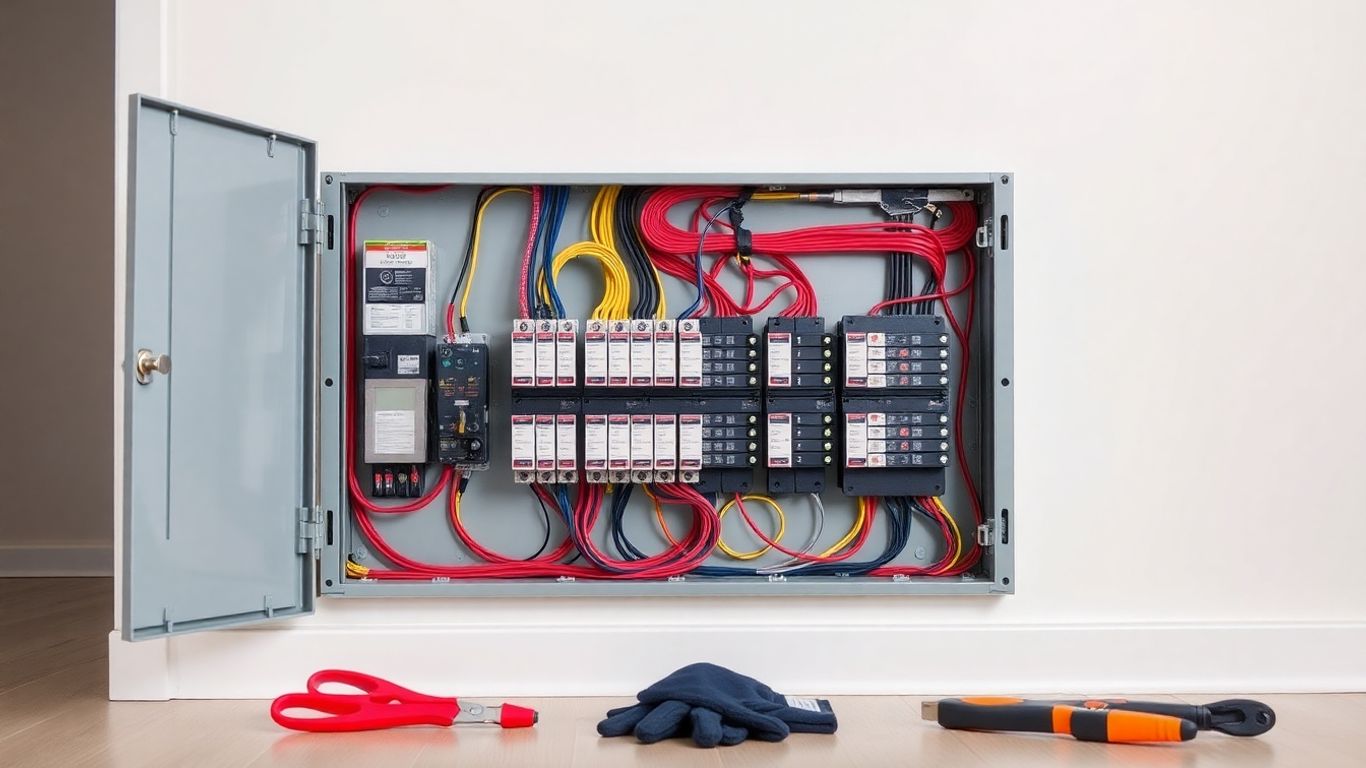
The electrical panel is truly the heart of your home’s power setup—it manages every circuit and keeps the lights, appliances, and gadgets running. Deciding to upgrade isn’t just about getting flashier hardware; it’s about safety and keeping up with modern energy needs. A newer panel can help prevent circuit overloads and reduce fire risks.
A quick rundown of when you might need to think about replacing or upgrading your panel:
- Your panel is somewhere between 20–30 years old. These don’t always play nice with today’s high-power devices.
- Circuit breakers keep tripping, or your lights dim when you turn on the microwave or vacuum.
- The panel doesn’t have enough amperage and feels warm or hot to the touch.
- There’s a burning smell or visible signs of melting or discoloration near your panel.
Here’s a quick look at common panel upgrades and their typical price ranges:
| Upgrade Type | Typical Cost Range |
|---|---|
| 100-amp Panel | $850 – $1,450 |
| 200-amp Panel | $750 – $2,000 |
| 300–400-amp Panel | $2,000+ |
If any of this sounds familiar, don’t try to tackle it on your own. Upgrading a panel is not a DIY project—too risky, too many rules. Your best bet is always hiring a professional. They’ll make sure everything meets current codes and runs as safely as possible.
Upgrading your panel doesn’t just help your home run smoother, it could even help you qualify for better homeowner’s insurance rates or boost resale value. So if breakers are tripping or outlets are acting funny, it’s probably time to take a look at your electrical panel.
2. Circuit Breakers
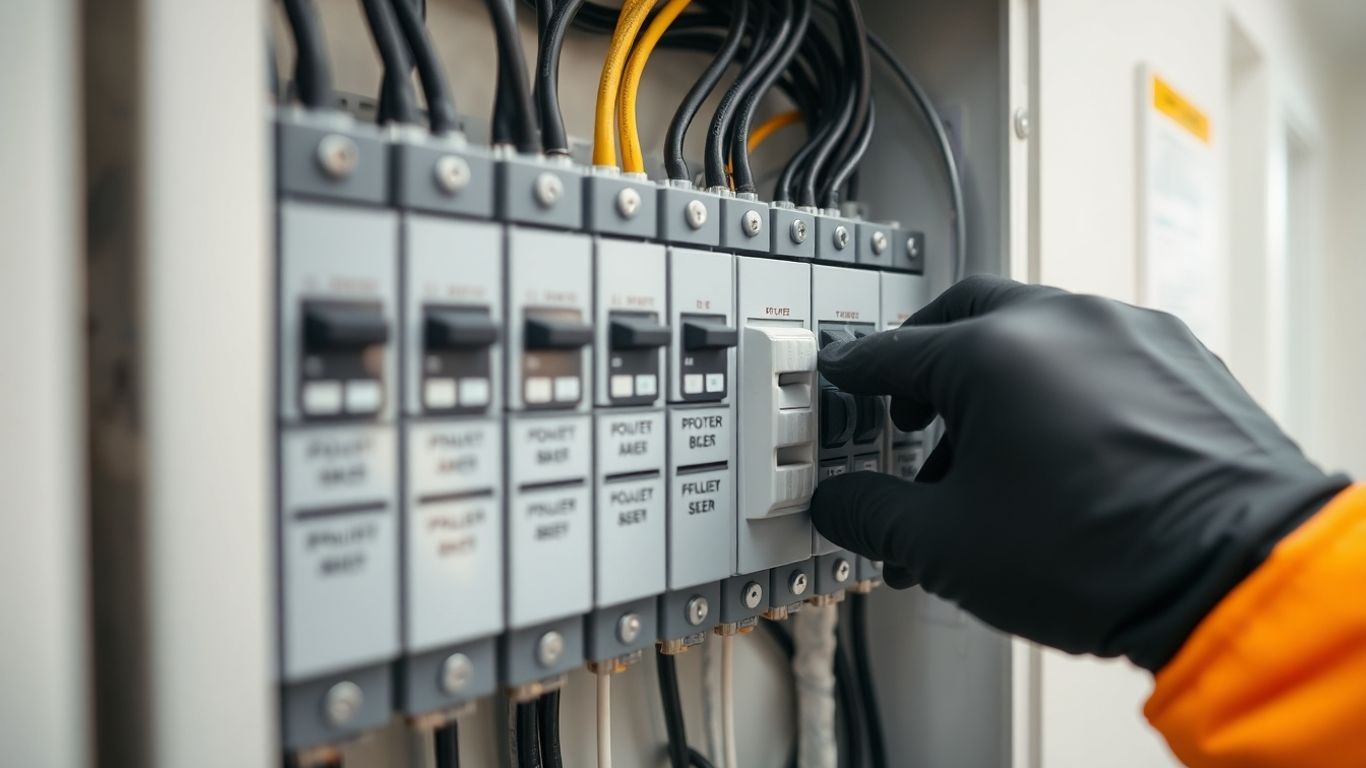
Circuit breakers are pretty much the gatekeepers of your home’s electrical setup—they instantly shut off the flow of electricity when something goes wrong. If you’re living in an older house, there’s a chance these breakers haven’t kept up with technology or current safety standards.
Here’s what you need to know and maybe check on when upgrading your breakers:
- Frequent tripping of your circuit breaker isn’t just annoying—it’s a warning sign that your system is likely overloaded or outdated.
- Newer breakers can be more sensitive, catching sudden spikes or arc faults before any damage is done.
- Upgrading to circuit breakers that match how much power you actually use keeps things safer and stops those random losses of power when you least expect it.
- Some older homes still have fuse boxes or ancient breaker panels—these really don’t offer the protection you’ll want for today’s heavy appliance use.
Here’s a quick table comparing breaker types you might encounter or consider:
| Breaker Type | Use Case | Swap Needed? |
|---|---|---|
| Standard Breaker | Basic circuits, lights | Only if out-of-date |
| AFCI Breaker | Bedrooms, living rooms | Recommended by code |
| GFCI Breaker | Kitchens, bathrooms | Upgrade for wet areas |
Think of a circuit breaker upgrade as a way to cut down on electrical headaches—and sidestep bigger problems like overheated wires or even fires. It’s really one update that pays off in peace of mind.
3. Wiring
When people talk about upgrading their home’s electrical system, wiring is often where things get stressful. You start pulling up carpets or opening up walls and suddenly, you see wires that look ancient—sometimes cloth-wrapped, sometimes spliced in odd ways. Old or damaged wiring isn’t just a minor worry; it’s one thing that can actually put your belongings, and more importantly, your safety at risk.
A lot of older homes were never designed for the amount of power we use today. Picture the difference: decades ago, families used maybe a few lamps and a radio; now it’s computers, TVs in every room, and countless chargers.
Signs Your Wiring Needs an Upgrade
- Frequent blown fuses or tripped breakers, especially when you use large appliances
- Flickering, buzzing, or dimming lights—not just once, but regularly
- Wires that are frayed, brittle, or covered in a weird fabric-looking sheath
- Warm or discolored outlets (never a good sign)
- Heavy reliance on extension cords and power strips
If you see these issues, call a licensed electrician before doing anything else. Safety comes first, always.
Here’s a super basic rundown of common types of home wiring and their recommended use:
| Type | Typical Era | Safety Concerns |
|---|---|---|
| Knob and Tube | Pre-1950s | No ground, risk of fire |
| Aluminum | 1960s-70s | Can loosen, overheat |
| Modern Copper | 1970s-present | Best bet, and up to code |
Never tackle rewiring on your own unless you’re fully trained—making a mistake here isn’t like messing up a paint job. It can cause a fire. Even if it feels like overkill, hire a pro.
I once thought I could just swap out an outlet to fix a flickering lamp; turns out, the wire behind that outlet was crumbling apart. Glad I didn’t go any further. Lesson learned: When it comes to updating wiring, do it right, and don’t cut corners.
4. Ground Fault Circuit Interrupter
If you’ve plugged in a hair dryer or a phone charger near your kitchen or bathroom sink, you’ve probably noticed those outlets with the little “reset” and “test” buttons. Those are Ground Fault Circuit Interrupters, or GFCIs, and they’re there for a pretty good reason. Basically, a GFCI can cut off power in a split second if it senses any difference between the flow of electricity into and out of the outlet. What does that mean in real life? If water gets involved or you drop your curling iron in the sink, this gadget could save you from a nasty shock, or worse.
Upgrading your home with GFCIs in the right places is one of the simplest ways to step up your family’s electrical safety. According to most building codes, these should be installed anywhere electrical outlets might be exposed to moisture:
- Kitchens, especially around countertops and sinks
- Bathrooms, near sinks and tubs
- Laundry rooms, garages, unfinished basements
- Outdoor outlets and around swimming pools
Testing a GFCI is quick: once a month, hit the “test” button; the power should cut out, and the “reset” button should pop out. Press “reset” to restore power. If nothing happens, time to call an electrician. As with most electrical work, installing or replacing GFCIs isn’t really the best DIY project unless you’re very confident—electricity is one of those things you genuinely don’t want to mess up.
A working GFCI protects your home by shutting off power at the first sign of danger, making it a low-effort, high-impact safety update.
5. Arc Fault Circuit Interrupter
Arc Fault Circuit Interrupters (AFCIs) are a kind of circuit breaker designed specifically to shut off power if they detect a dangerous electrical arc. An arc is sort of like an unplanned spark, and it’s one of the main causes of electrical fires in houses today. You might not even notice an arc—it can happen behind the walls, way before any obvious signs show up like burning smells or scorch marks. Installing AFCIs can add a major level of protection to your home’s wiring.
Here’s what you should know about using them wisely:
- AFCIs are now required by code in most sleeping areas, living rooms, and some new kitchens. Check your local codes.
- They can be installed either directly in your main electrical panel or as AFCI outlets in specific locations.
- Regular testing (once a month, just like GFCIs) is important; hit that "Test" button and confirm they trip and reset right away.
- If your AFCI keeps tripping, don’t just reset it. It could mean there’s a real issue, like damaged wires or a loose connection. Call an electrician to check it out.
| Area | AFCI Required? |
|---|---|
| Bedrooms | Yes |
| Living/Family rooms | Yes |
| Kitchens (some areas) | Yes* |
| Bathrooms | No |
| Hallways | Yes |
*Check your local rules—requirements keep expanding as codes change.
If you haven’t thought about AFCI breakers or outlets before, now’s the time. Even if you live in an older place, swapping in a few AFCIs could make a big difference for fire safety.
6. Outlets
Outlets get a workout in today’s homes— charging phones, powering gadgets, keeping appliances running. But, have you thought about whether yours are really up to the job? Upgrading your outlets makes a big difference for safety and how you use electricity every single day. For example: if you’re still using extension cords or power strips just to plug everything in, your outlets probably aren’t keeping up.
- Update any old two-prong outlets to grounded three-prong ones; the grounded type gives extra shock protection and works for more appliances.
- Consider installing USB outlets or smart plugs where you charge devices, so you can ditch bulky adapters for direct charging.
- Outlets near water, like in kitchens or bathrooms, should be GFCI outlets— these cut the power themselves if something’s wrong, lowering the risk of shock.
- Don’t forget to check for burnt or loose outlets. These need attention, because they can overheat and even cause fires.
Here’s a snippet of what to look for if you think an upgrade might be a good idea:
| Outlet Issue | What It Might Mean |
|---|---|
| Loose or wobbly outlet | Wear or bad installation |
| Discoloration | Overheating or shorting |
| Only 2 prongs | No ground/shock hazard |
| No GFCI in wet areas | Increased shock risk |
When it comes to replacing or upgrading outlets, it’s safer (and less frustrating) to have a licensed electrician handle it. Sometimes, an easy improvement can prevent bigger headaches down the road.
7. Switches
Switches might seem simple, but updating them can actually change both the look and safety of your home. The type of switch you use controls how you interact with every room and, quietly, plays a big part in household efficiency. If you’re thinking about upgrades, look for switches that cut down on energy use, improve convenience, and meet current electrical safety standards.
Here are a few good reasons to update your switches:
- Old, loose, or cracked switches could create shock hazards or even start a fire.
- Newer models like dimmers and smart switches let you manage lighting for comfort and save energy.
- Motion-sensing and touchless switches are handy in bathrooms, kitchens, or hallways where you don’t want to touch the wall with messy hands.
It’s worth it to have a licensed electrician check your switches when you update outlets or wiring, especially if you notice any buzzing, flickering, or heat. They can make sure everything is wired correctly and safe. Basic toggle switches might work fine, but upgrading can add practical value and a modern feel to your home. Taking time for these small checks now helps you avoid headaches later, as mentioned in these electrical safety tips.
If your switches feel warm or spark when flipped, don’t ignore it—problems like these can lead to much bigger issues if left unchecked.
8. Smoke Alarms
Smoke alarms don’t get much attention—until you need them. But they’re so important for home safety. A working smoke alarm is your first real defense if a fire breaks out when you’re sleeping or busy in another room.
Here’s how to keep your smoke alarms in top shape and where you want to put them:
- Put smoke alarms on every level of your house, even the basement and attic.
- Always install one outside each bedroom, and ideally right inside sleeping areas too.
- Test every unit once each month using the test button.
- Change the batteries at least once a year—or as soon as it starts chirping at you.
- Replace the whole unit at least every 10 years (check the date on the back so you know for sure).
| Location | Required? | Special Note |
|---|---|---|
| Every level | Yes | Basement included |
| Inside/near bedrooms | Yes | Bedrooms especially |
| Kitchen | Yes | Keep at least 10 ft. from stove/oven |
You’ll want to pick a smoke alarm style that works best for your space. If you sometimes forget to test or change batteries, look for long-life models with a sealed lithium battery.
In an emergency, a working smoke detector is often the only thing that gives you—and your family—enough time to get out safely.
9. Carbon Monoxide Detectors
Carbon monoxide detectors might not be the first thing you think of when upgrading your home’s electrical setup, but missing or malfunctioning detectors can be dangerous. Carbon monoxide is an invisible, odorless gas that can come from furnaces, stoves, or fireplaces—it’s not something you want to take chances with. Even a small leak can be harmful over time, and since you can’t see or smell it, early warning is the only real defense.
Let’s break it down:
- Place detectors on every floor, particularly close to bedrooms, so you’ll hear alarms even at night.
- Always follow the recommended height—usually at chest level, not up at the ceiling, since carbon monoxide mixes evenly through the air.
- Don’t forget to test alarms monthly and change the batteries every year or when that annoying low-battery beep starts.
- Hardwired models with battery backup are great for added reliability and can connect detectors for a louder, house-wide alert if one senses a problem.
Here’s a quick table with suggested maintenance:
| Action | Frequency |
|---|---|
| Test detector | Monthly |
| Replace batteries | Yearly |
| Replace unit | Every 5-7 years |
If you’re unsure how to wire or position your detectors for maximum safety, a step-by-step installation guide can help take the guesswork out of the process.
If you ever hear a loud beeping from a carbon monoxide detector, everyone should leave the house right away and call emergency services—it’s never worth the risk.
These small investments in safety keep daily worries at bay and bring real peace of mind, especially if you heat with gas or have an attached garage.
10. Backup Generator
Sometimes the power just goes out and there’s nothing you can do about it—well, almost nothing. Installing a backup generator means you don’t have to panic when you see that blackout coming. A generator keeps your essentials running—think refrigerators, lights, maybe your home office—so life doesn’t just grind to a halt. Here’s what to keep in mind if you’re thinking of making this upgrade:
- Decide between portable or standby. Portables are cheaper and flexible, but you’ve got to wheel them out and hook them up during each outage. Standby generators? They kick in automatically, but cost more and need professional installation.
- Calculate what you need to power. Are you just trying to keep the basics on, or do you want everything running as if nothing ever happened outside?
- Make sure your generator is installed up to code—don’t wing this! Hire a licensed electrician for safety and insurance reasons.
| Generator Type | Typical Cost (Installed) | Powers What? | How It Starts |
|---|---|---|---|
| Portable | $500 – $2,500 | Key outlets & a few appliances | Manual |
| Standby (Whole-home) | $5,000 – $12,000+ | Most or all household circuits | Automatic |
If you’re not sure which type fits your situation, there are reliable reviews of home and portable generators at Consumer Reports evaluations. Take a little time to check before spending serious money.
Just knowing you have a backup plan in place? That’s peace of mind you can’t really put a price on.
Conclusion
Upgrading your home’s electrical system might sound like a big job, but it’s worth it for the peace of mind and safety it brings. If you’ve noticed flickering lights, old outlets, or your breakers keep tripping, don’t ignore those signs. Modern life puts a lot more demand on your wiring and panels than ever before, and keeping things up to date helps avoid headaches down the road. Always call a licensed electrician for any upgrades—trying to tackle it yourself can be risky. With the right help, you’ll have a safer, more efficient home, and you might even save some money on your energy bills. So, if your electrical system is showing its age, don’t wait—get it checked out and enjoy the benefits of a modern, reliable setup.
Frequently Asked Questions
How do I know if my home’s electrical panel needs an upgrade?
If your home still uses a fuse box or has a panel with less than 100 amps, it’s probably time for an upgrade. Other signs include frequent breaker trips, flickering lights, or a burning smell near the panel. Homes older than 30 years often need an inspection to make sure the panel can handle today’s electric needs.
What are the dangers of old or faulty wiring?
Old or damaged wiring can cause electrical fires, shocks, and power failures. If you feel a shock or tingling when touching an outlet, or if you hear buzzing or crackling sounds, you should have an electrician check your wiring right away.
Why should I upgrade to GFCI and AFCI outlets?
GFCI outlets help protect you from electric shocks, especially in places like kitchens, bathrooms, and outdoors. AFCI outlets help stop electrical fires by shutting off power if they detect dangerous sparks. Both upgrades make your home safer.
How do new outlets and switches help my home?
New outlets and switches can handle more power safely, which is important for modern electronics and appliances. Upgrading also means you can add more outlets where you need them, reducing the use of extension cords and making your home safer and more convenient.
Why are smoke alarms and carbon monoxide detectors important?
Smoke alarms warn you about fires, and carbon monoxide detectors alert you to dangerous gas leaks. Both are essential for keeping your family safe. It’s best to have them on every level of your home and near bedrooms.
Is it safe to install a backup generator myself?
No, it’s not safe to install a backup generator by yourself. Generators must be installed by a licensed electrician to make sure they work properly and follow safety codes. This protects your home from electrical problems and keeps everyone safe.
