


Thinking about adding home EV charging stations? We get it—charging at home is way more convenient than hunting for a public spot. But before we jump in, there are a few things we should look at. It’s not as simple as plugging in a toaster. If we want things to go smoothly, it helps to plan ahead. Let’s walk through what we need to know before getting started.
Key Takeaways
- Check if our electrical panel can handle the extra load of a charger.
- We’ll probably need a separate circuit just for the EV charger.
- Make sure the charger we pick matches our car and our home setup.
- Think about Wi-Fi—some chargers need it for updates or tracking.
- Get a pro to handle the install, especially if permits or codes are involved.
1. Electrical Panel Capacity
Before we even think about putting in a home EV charger, we need to check if our electrical panel can actually take the extra load. A typical Level 2 charger pulls a lot more power than most household appliances, so it’s not something we should overlook.
We’re talking about making sure our panel has enough amperage overhead to safely handle the new circuit. Most older homes have panels rated at 100 amps, while newer ones often boast 200 amps. Here’s how these numbers shake out:
| Panel Size (Amps) | Typical Available Capacity | May Need Upgrading For EV? |
|---|---|---|
| 100 | Tight | Often yes |
| 150 | Moderate | Sometimes |
| 200 | Good | Rarely |
If our current electrical setup is maxed out—maybe with electric ovens, HVAC, or even a hot tub—it’s possible we’ll need an upgrade before adding a charger. Some warning signs include flickering lights, breaker trips, or outlets that seem warm.
And let’s be real: most of us aren’t electrical experts. That’s why it’s smart to do these steps before we start dreaming about fast charging at home:
- Review the main breaker to check its amperage rating.
- List all major appliances currently running in the home.
- Speak to a licensed electrician to confirm available panel space and safety concerns.
Rushing past an overloaded panel can cause headaches later, like tripped breakers or worse. Doing our homework here saves a lot of hassle down the line.
2. Dedicated Circuit Installation
When we think about setting up an EV charging station at home, wiring a dedicated circuit just for the charger isn’t something we can skip. A dedicated circuit guarantees the charger gets a steady supply of power without tripping breakers or sharing with other high-draw appliances. Unlike our kitchen outlets that might have a coffee maker, toaster, and microwave all at once, EV chargers need their own lane.
Here’s what we usually do when tackling dedicated circuit installation:
- We check our main panel to see if there’s enough space for a new breaker.
- We figure out the right wire gauge according to the manufacturer’s specs for our charger – thicker wires keep things safe and cool.
- We keep the circuit isolated, so nothing extra plugs into it—no risk of overloading or surprise shutdowns.
A separate circuit not only protects our home’s electrical system but helps the EV charger work fast and reliably, every time we plug in.
At this stage, it’s smart to involve a licensed electrician. They’ll know the local codes, and they’ll get things wired up safely. Skipping this part or cutting corners might seem tempting, but it almost always causes headaches down the road. Choosing a dedicated circuit means peace of mind each time we charge up our car.
3. Level 2 Charger Compatibility
When we’re looking to add an EV charging station at home, Level 2 chargers come to mind right away. These chargers are much faster than the basic plug that comes with most electric cars, so naturally we’re drawn to the idea. Before buying, though, we need to double-check if the charger we’re eyeing actually matches our vehicle and home’s power setup.
Here are a few things we always try to check when it comes to compatibility:
- Vehicle plug type and whether our EV is ready for Level 2 charging
- Amperage and voltage supported by our home’s wiring (most Level 2 chargers use 240 volts, but amperage may vary)
- Charger brand reliability and support
Sometimes, the charger we like has advanced features or higher amperage than we really need. It’s easy to think "more is better," but that’s not always the case. Picking a charger that matches what our car can handle is usually the smartest move. If we push for higher specs that our car (or home’s wiring) can’t use, we’re just overspending.
| Charger Power (kW) | Miles of Range/Hour |
|---|---|
| 3.3 | ~10-15 |
| 6.6 | ~20-30 |
| 9.6 | ~30-35 |
We’ve noticed it’s tempting to buy the flashiest, most expensive charger, but often it’s best to match the equipment to our actual daily driving needs and what our electrical system allows.
4. Wi-Fi Connectivity
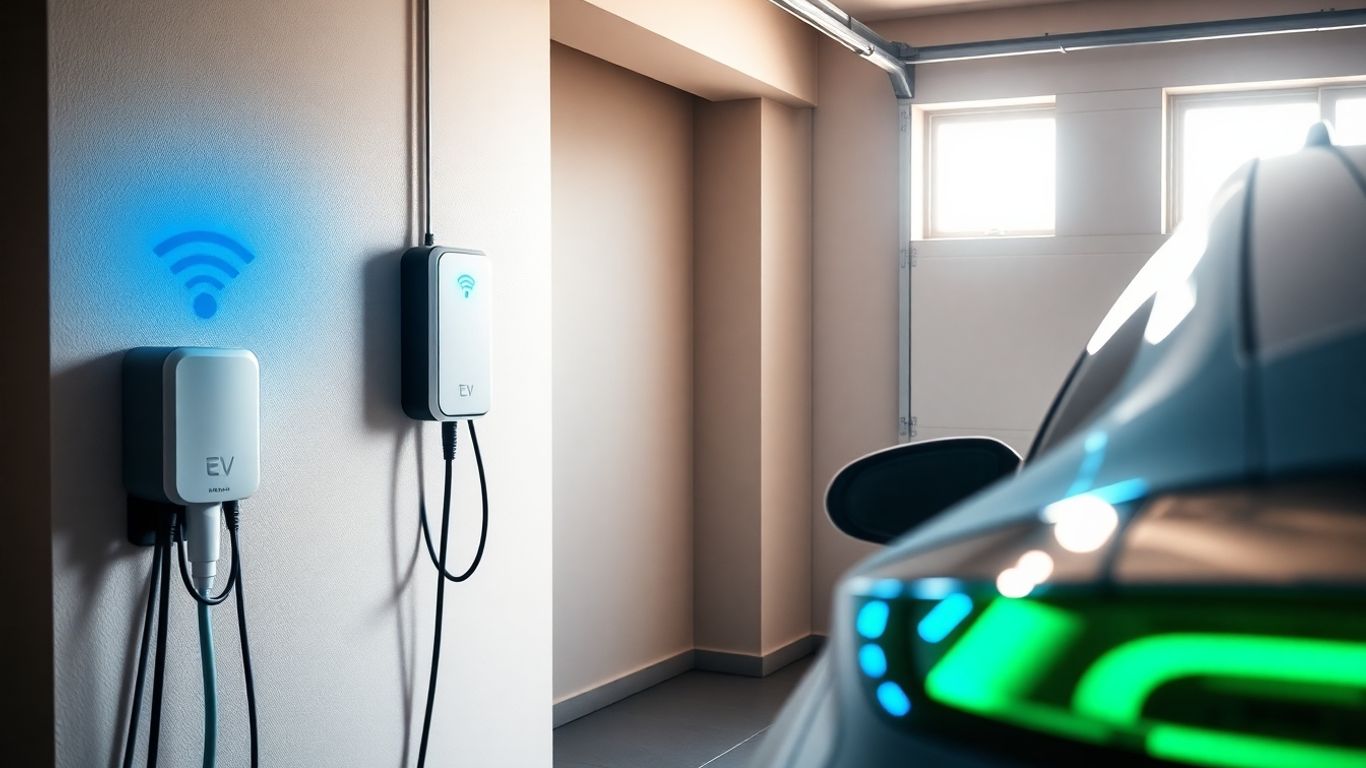
When we’re setting up an EV charging station at home, Wi-Fi connectivity might not be the first thing on our minds but, honestly, it makes a big difference in the long run. With a Wi-Fi enabled charger, we can monitor charging status, track usage, and even schedule charging sessions from our smartphones. This tech allows us to better control charging times, which saves money if we’re trying to avoid expensive peak rates.
There are a few reasons why we should seriously look at Wi-Fi connectivity when picking a charger:
- We receive regular software updates, which keeps the charger working smoothly
- Remote troubleshooting is way easier — tech support can access some chargers online
- Smart features like scheduled charging and notifications become possible
- Energy usage can be monitored and managed through charging apps
| Feature | Benefit |
|---|---|
| Remote monitoring | View charging status anytime |
| Scheduling | Set charging for off-peak |
| Usage tracking | See monthly costs, kWh used |
| Firmware updates | Stay current automatically |
If we ignore Wi-Fi connectivity, we might end up missing out on some handy features that can make charging, tracking, and saving money a whole lot simpler.
5. Outdoor Weatherproofing
If we’re planning to put our EV charging station outside—which, let’s face it, is pretty likely if our garage is cramped or we park in the driveway—weatherproofing isn’t something we can skip. A solid weatherproof setup means less stress when rain, snow, or even that gusty fall wind turns up. It’s surprising how much water and dirt can sneak into outdoor outlets if we’re not careful.
Here are a few things we always check when it comes to outdoor protection:
- Look for chargers and enclosures rated at least IP65, so we get actual protection against water and dust.
- Check cable covers and port flaps—they should snap shut securely.
- Make sure mounting hardware is stainless or rust-resistant for long-term reliability.
- Confirm the charger’s cables don’t stiffen or crack in cold winters (not every cable is made for harsh climates).
Protecting our investment from the weather now saves us headache (and money) down the road.
It often makes sense to ask our installer about custom covers or even simple awnings. A little extra time up front can stretch the life of our charging gear and keep everything safe and dry.
6. Cable Management Solutions
Cable management at home sometimes gets overlooked, but it can make our whole EV charging setup much easier to use and a lot safer around the house. Nobody likes tripping over a heavy charging cable, especially after a long day. With electric vehicle charging, keeping cables off the ground helps prevent wear and tear, reduces tripping risk, and even keeps things looking tidy.
When we think about ways to keep cables neat, a few approaches come to mind:
- Wall-mounted cable holders that keep the cord off the garage floor.
- Retractable cable reels, so the cord winds up after use.
- Floor-mounted guides that direct cables away from walkways.
Here’s a quick look at basic cable management options and what they offer:
| Method | Pros | Cons |
|---|---|---|
| Wall hooks | Cheap, easy to install | Manual winding needed |
| Retractable reels | Clean, automatic look | Higher initial price |
| Floor cable covers | Prevents trips | Takes up floor space |
If we keep cords organized from the start, we’ll spend less time trying to untangle them every time we need a charge. Choosing the right solution depends on our space and routine, but it’s worth thinking about before installation.
7. Smart Charging Features
Smart charging features can really change how we use our home EV charging stations. These functions go way beyond just plugging in and waiting for a full battery. By using smart charging, we can save money, keep our cars healthy, and just make life easier overall.
Here’s what we usually look for in smart charging setups:
- Scheduled charging: Pick when to start or stop charging, like during off-peak hours for cheaper electricity.
- Remote monitoring: Use a phone app or website to see charging status and even start or stop a session from anywhere.
- Energy usage tracking: Check how much power our EV uses over time, so budgeting and planning are easier.
- Load balancing: If we have a few devices connected, this helps avoid overloading our electrical system by spreading out energy use.
- Voice control integration: Connect the charging station to virtual assistants, like Alexa or Google Home, for hands-free operation.
Smart chargers may support updates over Wi-Fi, so new features can be added long after installation.
Smart features might seem unnecessary at first, but once we’ve used them, it’s hard to imagine going back to a basic setup.
8. Permitting and Local Codes
When we start thinking about putting an EV charging station in our garage or driveway, we can’t skip the local rules and permits. Getting the proper permits and following all local electrical codes is not just a box we check; it actually protects us from fines, safety hazards, and future headaches. Every city or county can have its own set of requirements, sometimes changing from one neighborhood to the next.
Here’s what we usually need to keep track of:
- Check with our city or county about electrical work permits before hiring anyone or starting the project.
- Find out if the HOA (if we have one) has any specific rules about charging stations or outside modifications.
- Make sure our installation meets the current version of the National Electrical Code (NEC), which is often referenced by local authorities.
| Common Permit Requirements | Who Checks? |
|---|---|
| Electrical Permit | City or County Office |
| Inspection After Install | Local Building Dept |
| Utility Notification | Power Company |
Sometimes, waiting for permits and inspections adds time to the whole project, but skipping these steps can really cost us down the road, especially if we try to sell the house later.
Honestly, it seems tempting to rush things, but sticking with the legal steps keeps everything above board and gives us peace of mind.
9. Utility Rate Plans
Understanding our local utility rate plans is a key part of bringing an EV charger into our home. Different power companies have different ways of charging for electricity, and it can get confusing pretty fast. If we don’t check these options before setting up our charging routine, we might end up with higher-than-expected bills.
Some utility companies offer time-of-use (TOU) rates, which means what we pay for electricity can change depending on the hour of day we use it. With this system, charging our EV overnight or during off-peak hours usually costs less. Here’s a quick comparison:
| Rate Plan Type | Typical Cost Per kWh | Best Use Times |
|---|---|---|
| Standard | $0.12 | Any |
| TOU – Peak | $0.30 | Weekday afternoons |
| TOU – Off-Peak | $0.08 | Late nights, early mornings |
When we look into these plans, here are a few things we should check:
- Are TOU rates available where we live?
- Do any plans give discounts for EV owners?
- Is there an extra fee to switch rate plans?
Choosing the right plan can make owning and charging an electric vehicle at home much more affordable in the long run, especially if we adjust our charging habits to match the best times.
10. Professional Installation Services
When it comes to setting up an EV charging station at home, we really can’t overstate the importance of hiring professional installation services. Getting a certified electrician involved helps us avoid future headaches, from electrical hazards to equipment malfunctions. They can handle all those tricky details, like proper wiring and meeting safety standards, that we might overlook.
A good installer will:
- Check our home’s wiring and breaker box for compatibility.
- Recommend the best charger model and location for our needs.
- Make sure everything passes inspection and meets code requirements.
Sometimes, we think DIY will save us money, but small mistakes can cause big problems (like voiding the charger’s warranty or worse, fire risks). Plus, professionals usually take care of that whole permitting process, so we don’t have to worry about paperwork.
Bringing in the right help not only speeds up the installation but gives us peace of mind knowing everything’s set up correctly from day one.
Conclusion
So, after looking at all the things we need to think about before putting in an EV charging station at home, it’s clear there’s a lot to keep in mind. We have to look at our home’s power, pick the right charger, and think about where it should go. Sometimes, it feels like a lot, but taking it step by step makes it easier. If we’re not sure about something, it’s always smart to ask a pro. In the end, setting up a home charger can make life with an electric car much simpler. We just need to plan a bit, ask questions, and take our time. That way, we’ll be ready to plug in and go whenever we need.
Frequently Asked Questions
Do we need a permit to install an EV charging station at home?
Yes, in most places, we need a permit before installing a home EV charger. Local rules help make sure everything is safe and done right. We should always check with our city or county first.
Can we install an EV charger ourselves, or do we need a professional?
It’s best to hire a licensed electrician for the job. Working with electricity can be dangerous, and a professional will make sure our charger is installed safely and follows all rules.
How do we know if our home’s electrical panel can handle an EV charger?
We should check the size of our main electrical panel. If we’re not sure, an electrician can look at it and tell us if we need any upgrades before adding a charger.
What’s the difference between a Level 1 and Level 2 charger?
A Level 1 charger uses a regular wall outlet and charges slowly. A Level 2 charger needs a special outlet and charges much faster. Most people choose Level 2 for daily use at home.
Can we put an EV charger outside, or does it have to be indoors?
Many EV chargers are made to handle rain and sun, so we can put them outside. We just need to make sure the charger is weatherproof and installed the right way.
Will charging our car at home make our electric bill go up a lot?
Charging at home will use more electricity, so our bill may go up. But some power companies offer special plans for EV owners, so we can save money if we charge at certain times.
