


As the leaves change and the air gets crisp, we often forget about the ceiling fans that helped us stay cool all summer. Now that we’re shifting gears for autumn, it’s a good time to give them a little attention. We want to make sure they’re ready for the cooler months ahead, whether that means just a quick clean or a more thorough check. Taking a few minutes now can save us trouble later.
Key Takeaways
- We need to get our fans ready for cooler weather by cleaning them and checking for anything loose.
- Safety is important, so we should look at the fan’s wiring and think about professional electrical maintenance services if needed.
- Proper upkeep helps our fans run well and safely, making our homes more comfortable.
Prepare Your Fan For Cooler Air
As the weather starts to cool down, we often forget about our ceiling fans. But before we switch them off for the season, a little bit of attention can go a long way. We want to make sure they’re ready for their winter rest and will be in good shape when spring rolls around again. This means taking a moment to give them a good once-over.
Dusting Blades For Optimal Airflow
Over the summer, fan blades can collect a surprising amount of dust. This isn’t just unsightly; it can actually affect how well your fan works. A thick layer of dust can make the motor work harder and can even cause the fan to wobble. We should aim to get these blades clean before we stop using the fan regularly.
- Gather your supplies: You’ll likely need a damp cloth, maybe some mild soap if the dust is really stuck on, and a step stool or ladder.
- Wipe each blade carefully: Go slow and steady. If you have a ceiling fan with a lot of dust, you might want to use an old pillowcase. Slip it over the blade and wipe from the base to the tip. The dust will fall inside the pillowcase, making cleanup much easier.
- Don’t forget the motor housing: While you’re up there, give the motor housing a quick wipe down too. It can get dusty as well.
Checking For Loose Components
While we’re up close and personal with our fans, it’s a good time to check if anything has become loose. Vibrations over time can cause screws and other parts to loosen up. This is important for both performance and safety.
- Blade attachments: Gently try to wiggle each blade where it connects to the fan motor. If there’s a lot of play, you might need to tighten the screws. Be careful not to overtighten, though.
- Light fixture: If your fan has a light kit, check that all the glass shades or bulbs are secure. Give them a gentle twist to make sure they’re not loose.
- Mounting bracket: This is a bit trickier, but if you notice any wobbling when the fan is on, it might be worth checking if the main bracket holding the fan to the ceiling is secure. This is usually best left to someone comfortable working with electrical fixtures.
A fan that’s out of balance due to loose parts can make noise and, in rare cases, become a safety hazard. Taking a few minutes now can prevent bigger issues down the road.
Ensuring Safe Operation
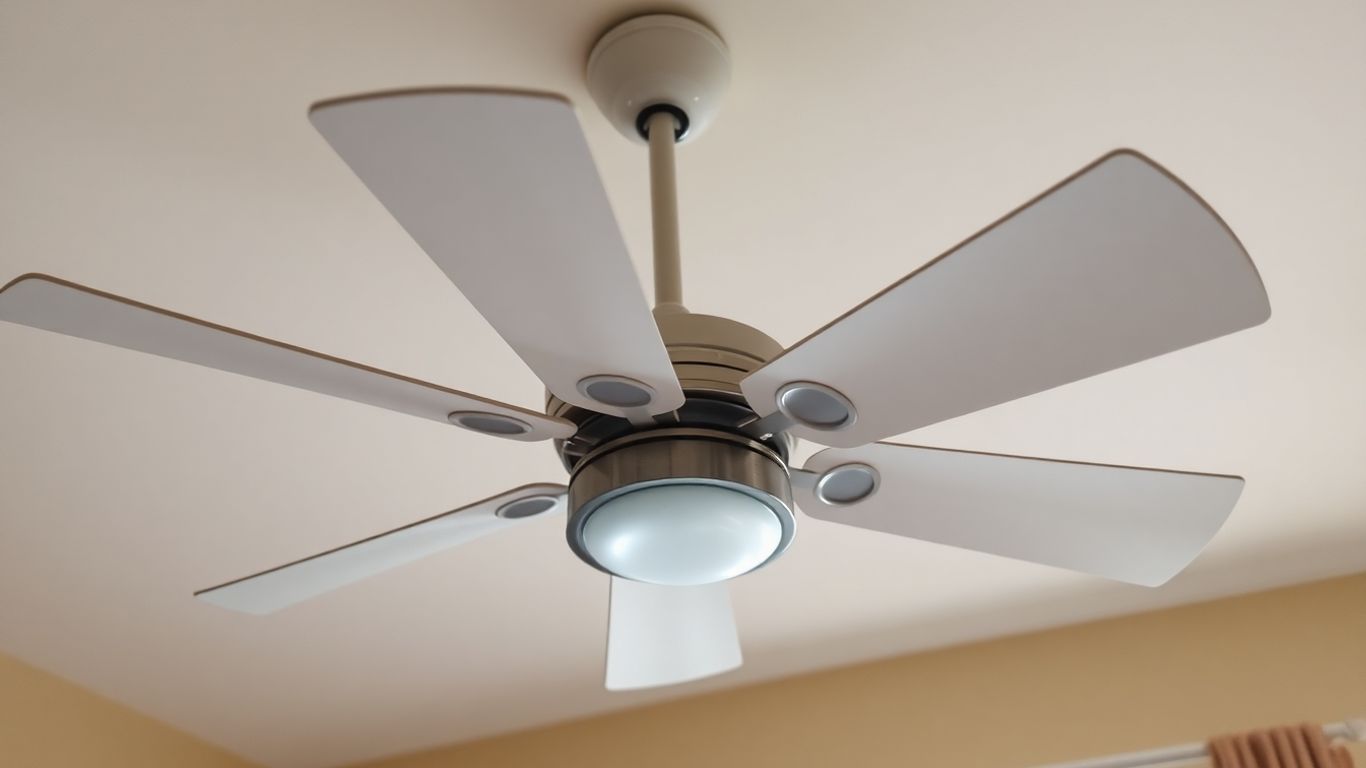
As the autumn air begins to cool, we want to make sure our ceiling fans are running safely and efficiently. It’s easy to forget about them once the heating season starts, but a little attention now can prevent bigger problems later. We’ll look at a couple of key areas to keep our fans in good shape.
Inspect Wiring For Wear
When we’re thinking about fan safety, the wiring is a big part of it. Over time, wires can get brittle or frayed, especially if the fan has been running a lot or if there’s been any vibration. We should take a look at the wires connecting to the fan motor and where they enter the housing. If we see any signs of damage, like nicks, cuts, or exposed copper, it’s time to address it. Loose connections or damaged insulation can be a fire hazard. It’s better to be safe than sorry, so if anything looks questionable, we should consider replacing the affected wiring or the entire fan if it’s old.
Consider Professional Electrical Maintenance Services
Sometimes, checking the wiring or other internal components can feel a bit beyond our comfort zone. That’s perfectly okay. If we’re not comfortable working with electrical systems, or if we notice anything that seems complicated, it’s wise to call in a professional. An electrician can give the fan a thorough check-up, making sure all the connections are secure and that the motor is functioning correctly. They have the right tools and knowledge to spot potential issues we might miss. It might cost a bit upfront, but it’s a good investment in keeping our homes safe, especially when dealing with electrical systems.
We often focus on the visible parts of our fans, like the blades and the light fixtures. However, the internal workings, particularly the electrical components, are just as important for safe operation. A quick visual inspection of the wiring can go a long way in preventing unexpected issues during the cooler months.
Wrapping Up Your Fan Care
So, as the leaves start to turn and the air gets a bit crisper, we hope these tips help you get your ceiling fans ready for the cooler months. A little bit of cleaning and checking now can save us from any noisy surprises later on. We’ve seen how dust bunnies can really build up, and a quick wipe-down makes a big difference. Plus, making sure everything is tight means our fans will run smoothly when we need them most. Let’s get those fans in good shape so we can enjoy a comfortable autumn indoors.
Frequently Asked Questions
How often should we clean our ceiling fan blades?
We recommend giving your ceiling fan blades a good dusting at least once a month, especially as the seasons change. This simple step helps ensure your fan moves air efficiently, which is super important when you’re trying to keep your home cozy during the cooler months.
What should we do if our fan starts making strange noises?
If you notice any wobbling or unusual sounds coming from your fan, it’s a good idea to pause and check if any parts have become loose. Often, just tightening a few screws can fix the problem. However, if you’re not comfortable doing this, or if the noise persists, it might be time to call in a professional to take a look.
Is it safe to check the fan’s wiring ourselves?
For most of us, looking at the wiring might feel a bit tricky. While a quick visual check for obvious damage from the outside is usually okay, we generally advise against messing with the electrical connections unless you have experience. If there’s any doubt about the wiring’s condition, it’s always best to have a qualified electrician examine it to ensure everything is safe and working correctly.
