


We often don’t think about our home’s electrical panel until something goes wrong. It’s the heart of our home’s power system, quietly working behind the scenes. However, as our homes get older and our power needs grow, that trusty panel might be struggling to keep up. An electrical panel upgrade might seem like a big job, but it’s a necessary step for safety and to keep up with modern living.
Key Takeaways
- An electrical panel upgrade is important for safety and to handle more power.
- Watch for signs like flickering lights or tripped breakers, which suggest your panel is old.
- Choose a qualified electrician for your electrical panel upgrade to ensure it’s done right.
Recognizing The Need For An Electrical Panel Upgrade
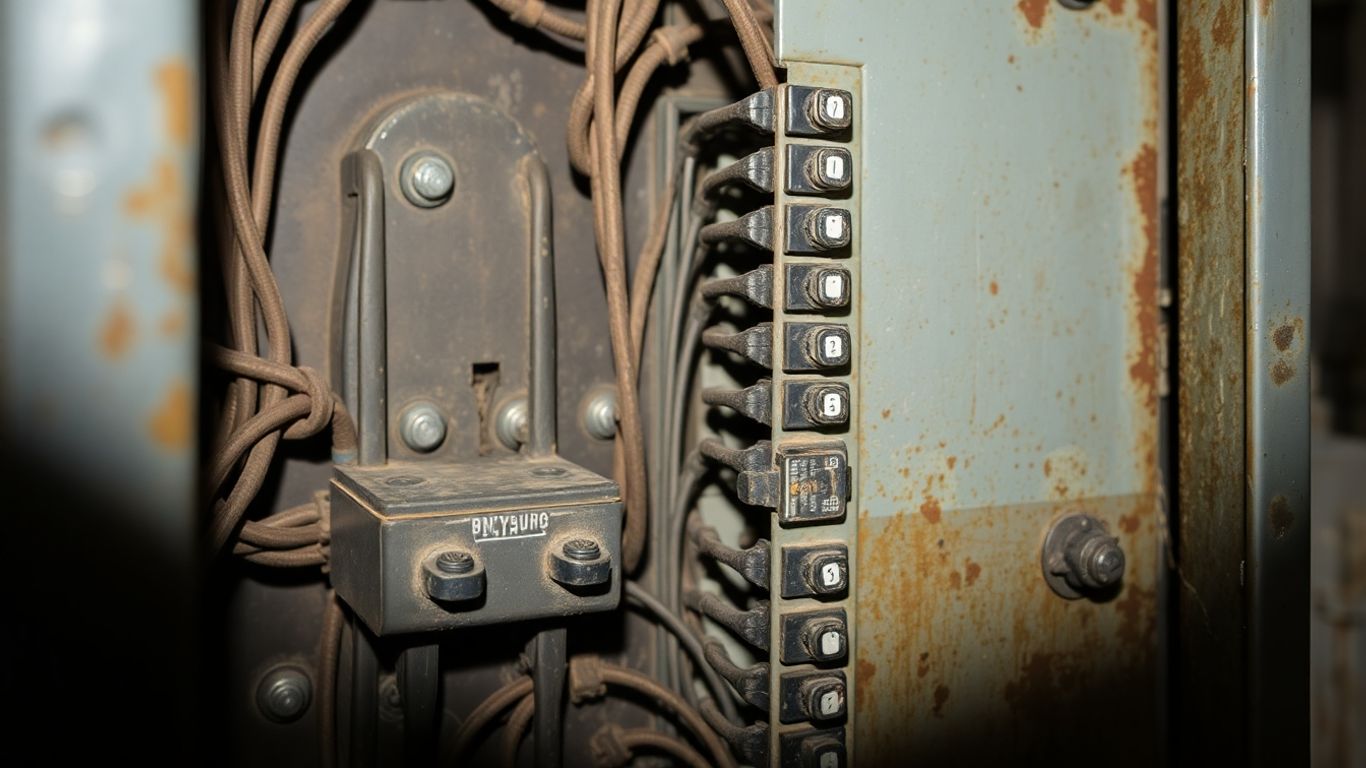
We often don’t give our home’s electrical panel much thought until something goes wrong. It’s like the engine of your car; you just expect it to work. But just like any mechanical system, electrical panels age and can start showing signs that they’re struggling to keep up. Ignoring these signals can lead to more than just an inconvenience; it can pose real safety risks.
Signs Your Panel Is Outdated
How can you tell if your electrical panel is past its prime? There are several common indicators we should all be aware of. First, if you’re frequently tripping breakers or blowing fuses, that’s a pretty clear sign your panel can’t handle the electrical load your home is demanding. Flickering lights, especially when you turn on a high-power appliance like a microwave or hair dryer, are another red flag. You might also notice a buzzing or humming sound coming from the panel itself, or perhaps a warm or discolored outlet near it. These aren’t just minor annoyances; they’re warnings that your system is under stress.
Here are some other things to look out for:
- Old panel brand: If your panel is branded with names like Federal Pacific Electric (FPE) or Zinsco, it’s worth having it inspected. These brands have known safety issues.
- Visible rust or corrosion: Any signs of rust or corrosion on the panel or its components indicate moisture problems or age, both of which are bad news.
- Aluminum wiring: While not all aluminum wiring is dangerous, it was common in homes built between the mid-1960s and mid-1970s and can be a fire hazard if not properly maintained or connected.
- Lack of GFCI/AFCI breakers: Modern safety codes require Ground Fault Circuit Interrupter (GFCI) and Arc Fault Circuit Interrupter (AFCI) breakers in certain areas, like bathrooms, kitchens, and laundry rooms. If your panel doesn’t have these, it’s likely outdated.
The Risks Of An Aging Electrical System
An old, overloaded electrical panel isn’t just inconvenient; it’s a serious safety hazard. The primary risk is fire. Old wiring can overheat, especially when trying to power modern appliances that draw more electricity than the system was designed for. This overheating can melt insulation and ignite nearby materials. Another significant risk is electrical shock. Damaged or outdated wiring and components increase the likelihood of shocks, which can be severe or even fatal.
We often think of electrical problems as something that happens in older, rundown houses, but even a well-maintained older home can have an electrical system that’s simply not equipped for today’s power needs. Appliances have gotten more powerful, and we use more electronics than ever before. If your panel was installed 30 or 40 years ago, it was likely designed for a fraction of the electrical demand we place on it now.
Benefits Of A Modern Electrical Panel Upgrade
Enhanced Safety And Reliability
Upgrading your electrical panel is a big step towards making our homes safer. Older panels, especially those with aluminum wiring or known defects like those from Federal Pacific Electric or Zinsco, can become fire hazards. They might not handle the electrical load of modern appliances well, leading to overheating and potential fires. A new panel, built to current safety standards, provides a much more stable and reliable power distribution system. This means fewer tripped breakers and a significantly reduced risk of electrical fires. We’re talking about peace of mind, knowing that the heart of our home’s electrical system is sound and dependable. It’s like giving our house a much-needed health check and upgrade, making sure everything runs smoothly and safely.
Supporting Increased Power Demands
Think about all the new gadgets and appliances we use today compared to even ten or twenty years ago. We’ve got multiple TVs, computers, smartphones charging, maybe an electric vehicle in the driveway, and high-demand appliances like induction cooktops or powerful air conditioning units. Our old electrical panels were simply not designed to handle this kind of power draw. An upgrade allows us to add more circuits and increase the overall amperage capacity of our home’s electrical system. This means we can run more appliances simultaneously without overloading the system. It prevents those annoying breaker trips and ensures all our devices get the power they need to function correctly. We won’t have to play that game of ‘what can I unplug so this other thing doesn’t blow a fuse?’ anymore. It’s about making our homes work for our modern lifestyles, not against them.
Upgrading your electrical panel isn’t just about preventing problems; it’s about enabling your home to keep up with the way we live now. It’s an investment in safety, convenience, and the future functionality of our living space.
Choosing The Right Electrical Panel Upgrade
So, you’ve decided it’s time to upgrade your home’s electrical panel. That’s a smart move! But where do you even start? It’s not like picking out a new toaster; this is a pretty big deal for your home’s safety and functionality. We need to think about a few things to make sure we get it right.
Factors To Consider
First off, let’s talk about what you actually need. How much power does your household use now, and how much do you think you’ll need in the future? Think about new appliances you might buy, like an electric car charger, a bigger air conditioner, or maybe even a hot tub. It’s better to plan for a little extra capacity than to find yourself needing another upgrade in a few years.
- Current Electrical Load: We’ll need to figure out the total wattage your home uses during peak times. This helps determine the amperage your new panel needs.
- Future Needs: Consider any planned additions or major appliance purchases. Adding a few circuits now can save a lot of hassle later.
- Panel Type and Brand: There are different types of panels and brands out there. Some are known for being more reliable or easier to find parts for down the line. We should look into options that have a good track record.
- Budget: Upgrades can vary in cost. It’s good to have a general idea of what you’re willing to spend, but remember, this is an investment in safety.
When we’re looking at panels, we’re not just buying a box. We’re buying peace of mind and the ability for our homes to keep up with modern life. It’s worth taking the time to get it right.
Finding A Qualified Electrician
This is probably the most important step. You don’t want just anyone messing with your home’s electrical system. A bad installation can be dangerous, leading to fires or other problems. We need someone who knows what they’re doing.
Here’s what we should look for:
- Licensing and Insurance: Make sure they are properly licensed in our area and carry adequate insurance. This protects us if something goes wrong.
- Experience with Panel Upgrades: Ask specifically about their experience with panel upgrades. Have they done many? Can they show us examples or provide references?
- Clear Estimates: Get a detailed written estimate before any work begins. It should break down the costs for the panel, labor, and any other materials. Don’t agree to vague quotes.
- Good Communication: Do they explain things clearly? Do they answer our questions patiently? We want to feel comfortable with the person working in our home.
Checking reviews online and asking friends or neighbors for recommendations can also be really helpful. A good electrician will make this whole process much smoother and safer.
A Safer Home Starts Now
We’ve talked about why updating your electrical panel is a good idea. It’s not just about having enough power for your gadgets; it’s about keeping your home and family safe from electrical problems. Old panels can be a fire hazard, and nobody wants that. Think about it: a modern panel means fewer worries about overloading circuits or dealing with flickering lights. It’s a smart move for peace of mind and can even add value to your house. If your panel is old, it’s probably time to look into getting it replaced. We recommend talking to a qualified electrician to see what options are best for your situation. Taking this step is a solid investment in your home’s future.
Frequently Asked Questions
Why would we need to upgrade our electrical panel?
We might need an upgrade if our current panel is old and showing signs of wear, like flickering lights or breakers that trip often. Older panels weren’t designed to handle the amount of power modern homes use with all our gadgets and appliances. Upgrading ensures our system is safe and can keep up with our electricity needs.
What are the main advantages of getting a new electrical panel?
A new panel offers much better safety, reducing the risk of electrical fires or shocks. It also means we can reliably power all our devices without worrying about overloads. Plus, it helps our home’s electrical system keep up with the demands of new appliances and technology we might bring in.
How do we know if we’re choosing the right kind of upgrade and electrician?
When choosing an upgrade, we should think about how much power we’ll need now and in the future. It’s also vital to find a licensed and experienced electrician. They can assess our home’s specific needs, recommend the best panel for us, and perform the installation safely and correctly.
