


As the temperatures drop and we prepare our homes for winter, it’s a good time to think about our electrical systems. We often don’t give our electrical panels much thought until something goes wrong. But with the increased demands winter places on our power, a reliable electrical panel upgrade can make a big difference in keeping our homes safe and warm. Let’s talk about why this upgrade is a smart move before the cold really sets in.
Key Takeaways
- Getting an electrical panel upgrade helps prevent fires, especially when heating systems and other appliances are working harder in winter.
- A modern electrical panel can handle more power, which is good for all the extra electronics and heating we use when it’s cold.
- Upgrading your electrical panel can stop power outages from happening during winter storms, keeping your heat and lights on.
Ensuring Home Safety With An Electrical Panel Upgrade
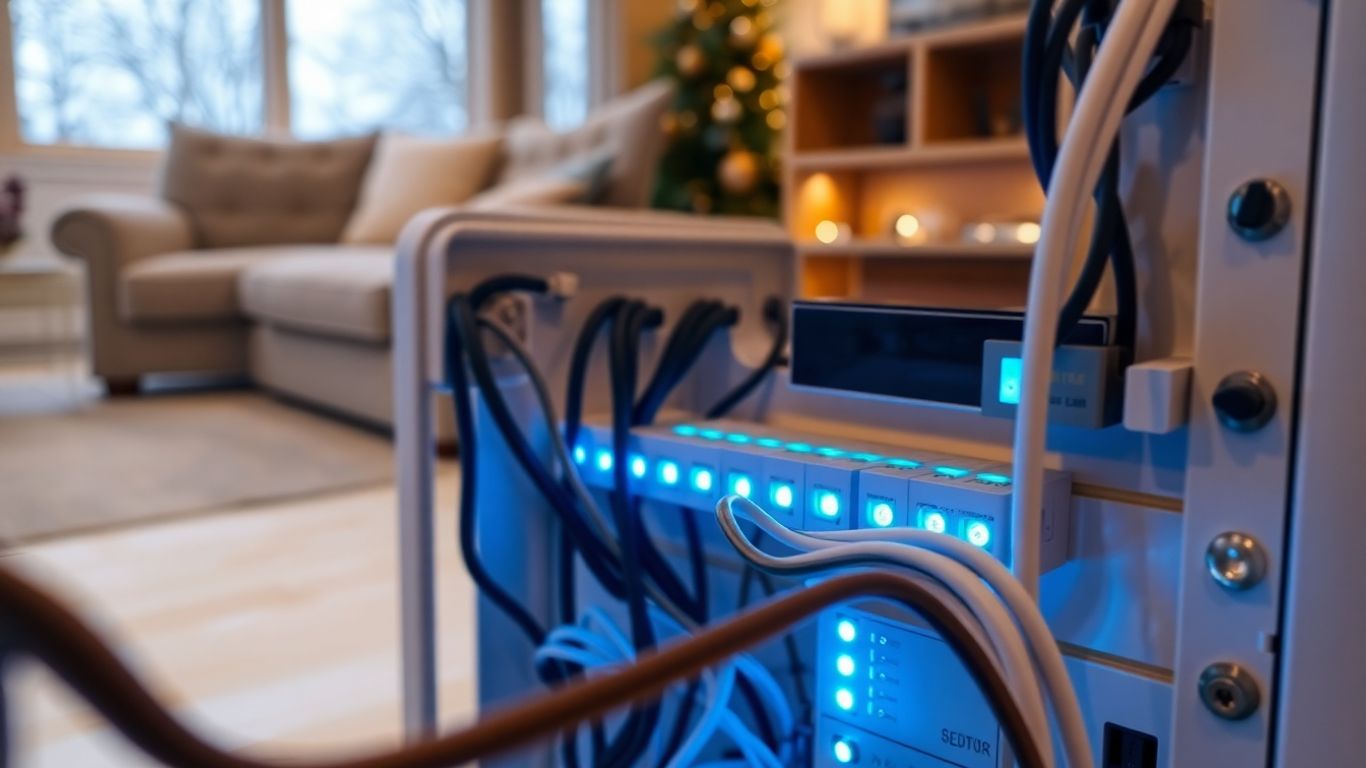
As the temperatures drop and we spend more time indoors, our electrical systems get a real workout. Think about it: more lights are on, heating systems kick into high gear, and we’re running appliances more often. This increased demand puts a strain on older electrical panels, and frankly, it’s a situation where we want to be as safe as possible. An outdated panel might not be able to handle the load, leading to problems.
Preventing Electrical Fires Before Winter
Old electrical panels can be a real fire hazard, especially when they’re pushed to their limits. Wires can fray, connections can loosen, and overloaded circuits can overheat. This is particularly concerning as winter approaches. We’re talking about a significant risk that can be avoided with a proactive upgrade. A modern electrical panel is designed with safety features that older models simply lack. These include better circuit breakers that trip more reliably when there’s a fault, reducing the chance of overheating and potential fires. It’s about peace of mind, knowing your home is protected.
The Benefits Of A Modern Electrical Panel Upgrade
Upgrading your electrical panel does more than just improve safety; it brings a host of other advantages. For starters, it can actually improve the performance of your electrical system. You might notice lights that don’t dim when an appliance starts up, or outlets that provide a more consistent power flow. This is because a new panel can better distribute the electricity throughout your home.
Here are some key benefits we often see:
- Increased Capacity: Newer panels can handle more circuits and higher electrical loads, which is great if you’re planning to add new appliances or even an electric vehicle charger.
- Improved Reliability: Less chance of tripping breakers or experiencing power fluctuations.
- Easier Troubleshooting: Modern panels are typically better organized, making it simpler for electricians to identify and fix issues if they arise.
- Potential Insurance Savings: Some insurance companies may offer lower premiums for homes with updated electrical systems.
We’ve seen many homes where the original electrical panel was installed decades ago. Back then, the electrical demands of a household were vastly different. Today, with multiple electronic devices, larger appliances, and increased reliance on electricity for heating and cooling, those old panels are often working far beyond their intended capacity. It’s like trying to run a marathon on a diet of only crackers and water – eventually, something’s got to give.
Upgrading isn’t just about meeting current needs; it’s about future-proofing your home and making sure it’s a safe place for your family, especially when the winter weather hits hard.
Preparing Your Home For Cold Weather Demands
As the temperatures drop and we spend more time indoors, our homes’ electrical systems get a real workout. Think about it: lights are on longer, heaters kick into high gear, and maybe we’re even running a few extra appliances to stay comfortable. This increased demand can put a strain on older electrical panels, which might not have been built to handle today’s energy needs. We’ve seen it happen – a panel that seemed fine all summer suddenly struggles when winter hits.
Meeting Increased Energy Needs With An Electrical Panel Upgrade
Modern homes use a lot more electricity than they did even a decade or two ago. We have more gadgets, bigger TVs, and often rely on electric heating or heat pumps. An older panel might have a limited number of circuits or breakers, and its overall capacity might just not be enough. Upgrading means we can add more circuits for new appliances or dedicated lines for things like electric vehicle chargers, and importantly, increase the total amperage your home can safely draw. This isn’t just about convenience; it’s about making sure our homes can handle the load without overheating or tripping breakers constantly.
Avoiding Power Outages During Winter Storms
Winter storms are notorious for causing power outages. When the grid is stressed or damaged by ice and wind, our homes need to be as resilient as possible. A well-maintained and adequately sized electrical panel is part of that resilience. If your panel is old, corroded, or overloaded, it’s more likely to fail during a period of high demand or when dealing with fluctuating power from the utility. A modern panel, with updated breakers and wiring, is less prone to these kinds of failures. It helps protect your appliances from power surges and ensures that when the power does go out, it’s less likely to be due to an issue within your own home’s system. We want to be ready for whatever winter throws at us, and that includes keeping the lights on and the heat running.
When we think about preparing for winter, we often focus on insulation, heating systems, and snow removal. But the electrical panel is the heart of our home’s power. Neglecting it can lead to more than just inconvenience; it can create real safety hazards when the system is pushed to its limits.
Here are a few things to consider regarding your panel’s readiness:
- Age of the panel: Panels older than 20-30 years may not meet current safety codes or capacity needs.
- Frequent breaker trips: If breakers trip often, especially when multiple appliances are running, it’s a sign the panel is overloaded.
- Signs of wear: Look for rust, discoloration, or a burning smell around the panel. These are serious indicators that an upgrade is needed.
- Future needs: Are you planning to add major appliances, a hot tub, or an electric car charger? Your current panel might not support these additions.
Don’t Wait for the Cold
So, as the temperatures start to drop, we really need to think about our home’s electrical system. It’s easy to put off things like panel upgrades, but when winter hits hard, a faulty system can cause real problems. We don’t want to be dealing with power outages or worse when it’s freezing outside. Getting a professional to check out your panel now means peace of mind for the months ahead. It’s a smart move for safety and comfort, and honestly, it’s better to do it before you really need it. Let’s make sure our homes are warm and safe this winter by taking care of this now.
Frequently Asked Questions
Why should we think about upgrading our electrical panel before winter hits?
Winter means more power use for heating, lights, and other gadgets. An older panel might not handle this extra load, increasing the risk of problems. Upgrading ensures our system is strong enough to keep our homes warm and safe when we need it most.
What are the main dangers of not upgrading our electrical panel?
Not upgrading can lead to serious issues. Overloaded circuits can overheat, creating a fire hazard. We might also experience flickering lights or even power outages, especially during cold snaps when our heating systems are working overtime. A new panel is like giving our home’s electrical system a much-needed tune-up.
How does a new electrical panel help with our winter energy use?
Modern electrical panels are designed to handle more power safely. They have better safety features and can support the higher demands of winter, like running furnaces, space heaters, and all our holiday lights without struggling. It’s about making sure our home’s electrical heart can keep up with our winter needs.
