


We often don’t think about our electrical systems until something goes wrong. It’s easy to forget that wires, circuits, and appliances need attention, just like anything else in our homes or businesses. Ignoring them can lead to bigger problems down the line. That’s why we want to talk about why keeping up with electrical maintenance services is a smart move for everyone.
Key Takeaways
- Regular checks help us spot problems before they become serious, like faulty wiring that could start a fire or cause shocks.
- Keeping our electrical systems in good shape helps them work better and last longer, saving us money and hassle.
- Using professional electrical maintenance services means we can be more confident that the work is done right and safely.
Preventing Electrical Hazards With Routine Checks
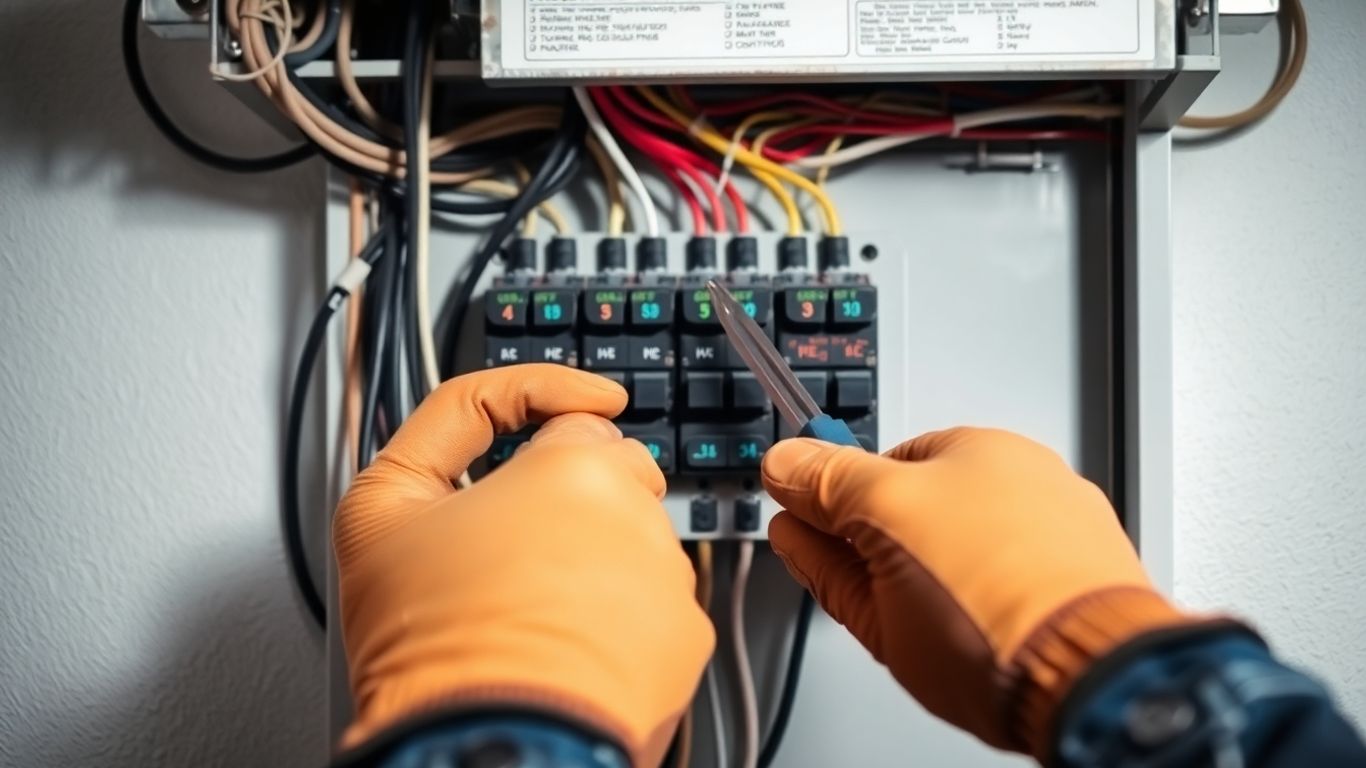
We often don’t think about our electrical systems until something goes wrong. But just like we get regular check-ups for our health, our electrical systems need attention too. Ignoring them can lead to some serious problems, and frankly, we’d rather avoid any nasty surprises.
Identifying Potential Fire Risks
Fires caused by electrical issues are more common than you might think. Loose connections, overloaded circuits, and old, worn-out wiring are all culprits. During our routine checks, we look for signs like flickering lights, outlets that feel warm to the touch, or a persistent burning smell. These aren’t just minor annoyances; they’re red flags. Catching these issues early can prevent a small problem from turning into a major disaster. We also pay close attention to the condition of extension cords and power strips. Are they frayed? Are too many devices plugged into one outlet? These are simple things to check, but they make a big difference.
Mitigating Shock Hazards Through Electrical Maintenance Services
Getting a shock from an electrical appliance or outlet is not only painful but can be dangerous. Faulty wiring, improper grounding, or damaged insulation are the usual suspects. Our maintenance services include testing outlets and switches to make sure they’re working correctly and safely. We check for any exposed wires or damaged cords that could pose a risk. It’s about making sure everything is properly insulated and grounded. We also look at things like GFCIs (Ground Fault Circuit Interrupters) in areas like bathrooms and kitchens. These are designed to shut off power quickly if they detect a problem, adding an extra layer of safety. Keeping these systems in good working order is key to preventing shocks.
We believe that a proactive approach to electrical safety is always the best approach. It’s not about waiting for a problem to appear; it’s about preventing one from happening in the first place. This mindset saves us time, money, and most importantly, keeps us safe.
Here are some common electrical hazards we look for:
- Frayed or damaged cords
- Overloaded outlets and circuits
- Outdated or faulty wiring
- Improperly grounded outlets
- Worn-out electrical components
Ensuring System Longevity And Efficiency
We often think about electrical maintenance primarily in terms of safety, which is absolutely right. But there’s another big reason to keep up with it: making sure our electrical systems last as long as they should and run as well as they can. It’s like taking care of a car; regular oil changes and tune-ups mean it runs better and doesn’t break down as often. The same applies to our buildings’ electrical infrastructure.
Optimizing Performance With Regular Inspections
When we have our electrical systems checked out regularly, we’re not just looking for problems. We’re also looking for ways to make things work better. Over time, components can get a bit worn, connections can loosen, or settings might not be quite right for the current load. A good inspection can spot these things before they become big issues.
- Checking Load Balances: We make sure that the power is distributed evenly across different circuits. An overloaded circuit can overheat, which is a fire risk, but it also just makes that part of the system work harder than it needs to.
- Testing Equipment: We test things like circuit breakers, transformers, and even lighting controls to make sure they’re operating within their designed parameters. Sometimes, a simple calibration can make a difference.
- Identifying Inefficiencies: We might find areas where energy is being wasted. This could be due to old, inefficient equipment or simply how the system is set up. Fixing these can lead to noticeable savings on our electricity bills.
The Value Of Proactive Electrical Maintenance Services
Being proactive with our electrical maintenance saves us a lot of headaches down the road. It’s much less disruptive and far cheaper to fix a small issue during a scheduled check than to deal with a major breakdown.
When we wait for something to fail, we often face unexpected downtime, costly emergency repairs, and potential damage to other connected equipment. A planned approach keeps things running smoothly.
Here are some of the benefits we see from being proactive:
- Reduced Downtime: By catching potential problems early, we avoid unexpected shutdowns that can halt operations or disrupt our daily lives.
- Lower Repair Costs: Minor adjustments or replacements during routine maintenance are significantly less expensive than emergency fixes or replacing fried components.
- Extended Equipment Life: Keeping systems in good working order means the individual parts don’t have to struggle, which helps them last longer. This delays the need for expensive full system replacements.
- Improved Energy Efficiency: As mentioned, regular checks can identify and fix energy leaks, leading to lower utility bills over time. It’s a win-win for our budget and the environment.
Wrapping Things Up
So, we’ve talked a lot about why keeping our electrical systems in good shape matters. It’s not just about avoiding a big repair bill down the road, though that’s a good reason. It’s really about keeping our homes and workplaces safe for everyone. When we put off checking things, we’re taking a chance. A little bit of regular attention now can prevent a lot of trouble later. We should all make it a point to schedule these checks. It’s a smart move for peace of mind and for the long run.
Frequently Asked Questions
Why should we check our electrical systems often?
Regular checks help us catch small problems before they become big, dangerous ones. Think of it like taking your car for oil changes to prevent breakdowns. We want to keep everyone safe by finding things like loose wires or overloaded circuits that could start a fire or cause an electric shock.
How does keeping up with electrical maintenance help our equipment last longer?
When we maintain our electrical systems regularly, we make sure they’re running smoothly and not working too hard. This means less wear and tear on the parts, which helps them last for many years. It’s like giving your electronics the best care so they don’t break down too soon.
What’s the benefit of fixing electrical issues before they become serious?
Fixing problems early, or being proactive, saves us a lot of trouble and money down the road. Instead of dealing with expensive repairs after something breaks or causes damage, we can address minor issues when they are easy and cheap to fix. This keeps our systems working well and prevents unexpected shutdowns.
