


As the weather turns cold, our homes become our sanctuaries. We turn up the heat, use more lights, and plug in extra appliances to stay comfortable. But sometimes, our older electrical systems can’t keep up. This can lead to some serious problems, especially when we need our electricity the most. Thinking about home electrical rewiring might seem like a big job, but it’s a smart move for keeping our families safe and our homes running smoothly through the winter months.
Key Takeaways
- Older homes often have wiring that isn’t built for today’s power needs, which can be a fire risk, particularly when using more electricity in winter.
- Recognizing signs like flickering lights or warm outlets is important, and getting professional home electrical rewiring can fix these issues and prevent hazards.
- Upgrading your electrical system with modern home electrical rewiring protects against power surges and makes your home safer and more reliable during cold weather.
Preventing Winter Electrical Hazards Through Home Electrical Rewiring
As the temperatures drop and we spend more time indoors, our home’s electrical system works overtime. Heating systems kick in, lights stay on longer, and we plug in more devices to keep warm and entertained. This increased demand can put a strain on older wiring, making winter a particularly risky time for electrical issues. We need to be proactive about our home’s electrical health to avoid potential dangers.
Identifying Signs of Outdated Wiring
Sometimes, the signs of aging electrical systems are subtle, but they’re there if we look closely. Ignoring them can lead to bigger problems down the line, especially when the winter load increases.
- Flickering or Dimming Lights: If lights dim when you turn on an appliance, or flicker without reason, it could mean your wiring isn’t handling the power flow well.
- Warm Outlets or Switches: If you touch an outlet or switch and it feels warm, that’s a definite red flag. It suggests resistance in the wiring, which can be a fire hazard.
- Frequent Tripped Breakers or Blown Fuses: While breakers are there to protect us, if they trip often, it means your system is overloaded or there’s a fault somewhere.
- Discolored or Burned Outlets: Any signs of scorching, melting, or discoloration around outlets or switch plates indicate serious overheating.
- The Smell of Burning: A strange, acrid smell, like burning plastic or rubber, coming from outlets or appliances is a critical warning sign.
The Role of Professional Home Electrical Rewiring
When we notice these signs, or if our homes are older, it’s time to think about professional rewiring. This isn’t just a cosmetic upgrade; it’s about safety and reliability, especially during the cold months.
A complete rewiring project replaces old, potentially unsafe wires with modern, properly sized ones. This reduces the risk of overheating, short circuits, and electrical fires, giving us peace of mind when we need it most.
Professional electricians can assess our current system, identify weak points, and perform the necessary work. They understand the codes and best practices to make sure the job is done right. It’s an investment in our home’s safety and can prevent costly repairs or dangerous situations later on. Think of it as giving our home a much-needed electrical tune-up before winter really hits.
Ensuring a Safe and Warm Home with Updated Electrical Systems
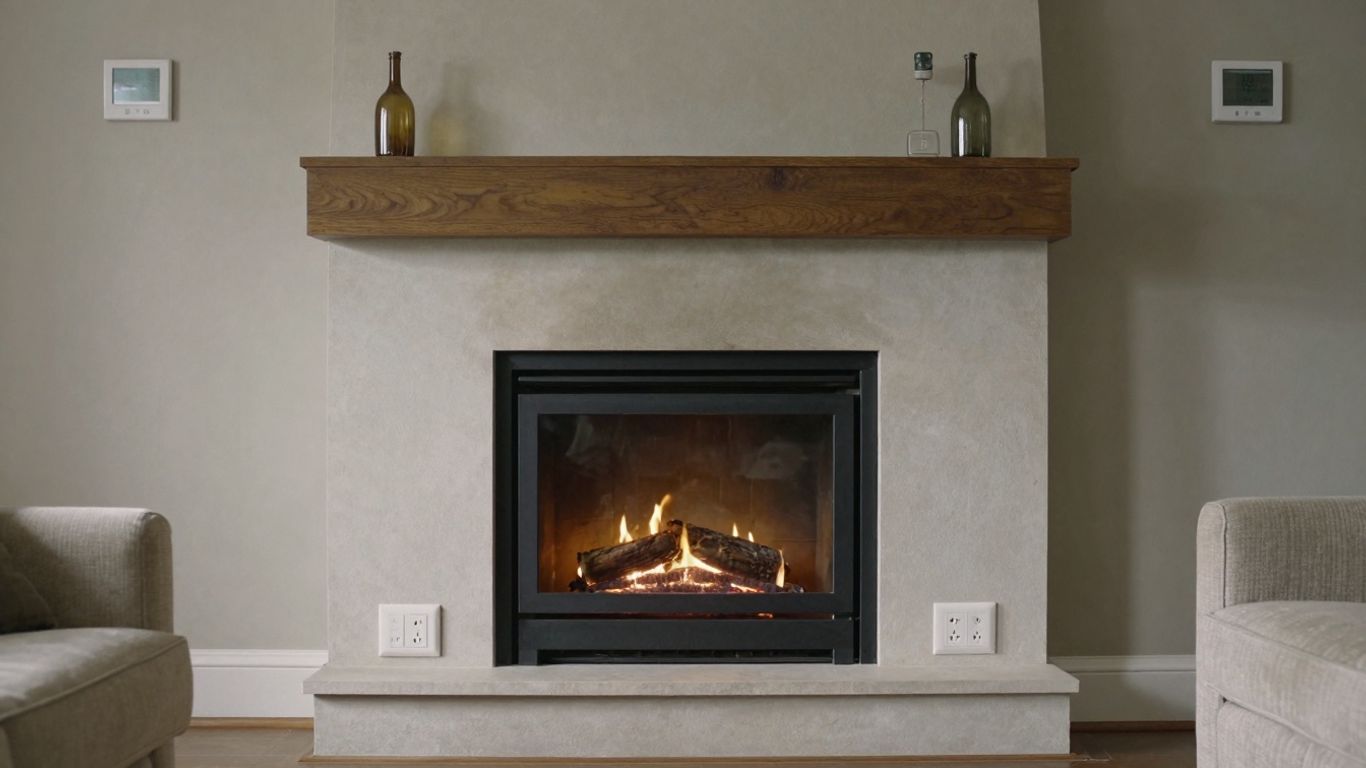
As the temperatures drop and we spend more time indoors, our home’s electrical system works overtime. Heating, lighting, and all our gadgets demand a lot of power. An older wiring system might struggle to keep up, leading to potential problems. Updating our home’s electrical setup is key to keeping our families safe and our homes comfortable throughout the winter months. We want to avoid any unexpected issues that could ruin our cozy season.
Protecting Against Overloads and Short Circuits
Older homes often have electrical panels and wiring that weren’t designed for the power demands of modern living. Think about all the devices we use now compared to even 20 or 30 years ago – multiple computers, large TVs, kitchen appliances, and electric heaters all running at once. This can easily lead to overloads, where the system is asked to carry more electricity than it can safely handle. When this happens, circuits can trip, or worse, wires can overheat, posing a fire risk.
Short circuits, which happen when electricity takes an unintended path, are another serious concern. These can be caused by damaged wires, faulty appliances, or even pests. Without proper protection, a short circuit can cause sparks and intense heat very quickly.
Here are some signs that your system might be at risk:
- Flickering or dimming lights, especially when other appliances turn on.
- Frequently tripping circuit breakers or blowing fuses.
- Warm or discolored outlets and switch plates.
- A persistent burning smell, particularly near outlets or the electrical panel.
The Benefits of Modern Home Electrical Rewiring
When we decide to rewire our homes, we’re not just fixing a problem; we’re investing in a more reliable and safer future. Modern electrical systems are built to handle today’s power needs and come with improved safety features. This means:
- Reduced Fire Risk: New wiring and updated circuit breakers are designed to prevent overheating and quickly shut off power in case of a fault.
- Increased Capacity: A rewiring project can upgrade our electrical panel and wiring to support more appliances and devices simultaneously without strain.
- Better Performance: We’ll likely notice more consistent lighting and fewer issues with appliances working correctly.
- Peace of Mind: Knowing our electrical system is up to code and can handle our family’s needs provides a great sense of security, especially during winter when we rely on it most.
Investing in a professional rewiring project might seem like a big undertaking, but it’s a proactive step that pays off in safety and comfort. It addresses the hidden dangers of outdated systems and prepares our homes for the demands of modern life, making winter a time for warmth and relaxation, not electrical worries.
Wrapping Up: A Safer Winter Ahead
As the cold weather approaches, we all want our homes to be warm and safe. Thinking about our electrical systems is a big part of that. Old wiring can be a real problem, especially when we start using more power for heating and lights. It’s not just about preventing a fire; it’s about peace of mind. We can take steps now to check our homes and make sure everything is up to par. If you’re unsure about your wiring, it’s a good idea to get a professional to look at it. A little attention to our electrical setup can make a big difference in keeping our families secure all winter long. Let’s make sure our homes are ready for the season.
Frequently Asked Questions
How can we tell if our home’s wiring is too old and might be dangerous, especially before winter hits?
We should keep an eye out for a few key signs. Flickering lights are a big clue, as are outlets that feel warm to the touch or give off a burning smell. If we notice that circuit breakers trip often, or if we see any discolored or frayed wires, these are all strong indicators that our electrical system might be struggling and needs a closer look. It’s better to be safe than sorry, particularly when colder weather means we’ll be using more electricity.
What are the main dangers of old wiring during winter, and how does rewiring help?
During winter, we tend to plug in more devices like heaters, extra lights, and holiday decorations, which puts a significant strain on our electrical systems. Old wiring might not be able to handle this increased load, leading to overheating, which can cause fires. Rewiring replaces these old, potentially unsafe wires with new ones that are designed to handle modern electrical demands safely. This greatly reduces the risk of overloads and short circuits, keeping our homes safer and warmer without worry.
Is it really necessary to hire a professional for home rewiring, or can we do it ourselves?
While some home projects can be tackled as DIY, electrical work, especially a full rewiring, is best left to the pros. Electricians have the specialized knowledge, tools, and experience to do the job correctly and safely. They understand complex electrical codes and can ensure everything is up to standard. Attempting this ourselves could lead to dangerous mistakes, void warranties, or even cause more problems down the line. For our peace of mind and the safety of our families, professional rewiring is the smart choice.
