


Fall is coming, and that means the days are getting shorter. We’ve noticed our lights are on a lot more, and that can really bump up our energy bills. This season is actually a great time to think about energy efficient lighting installation. It’s not a huge project, but it can make a big difference in how comfortable our homes feel and how much we spend each month. Let’s look at why fall is the perfect time to make the switch, and how we can get started without too much hassle.
Key Takeaways
- Switching to energy efficient lighting this fall can help us save money as we use lights more often.
- Choosing the right bulbs and fixtures for each room makes a real impact on comfort and utility.
- A quick review of our current setup and some simple installation tips can make the whole process easier.
Benefits of Energy Efficient Lighting Installation in Fall
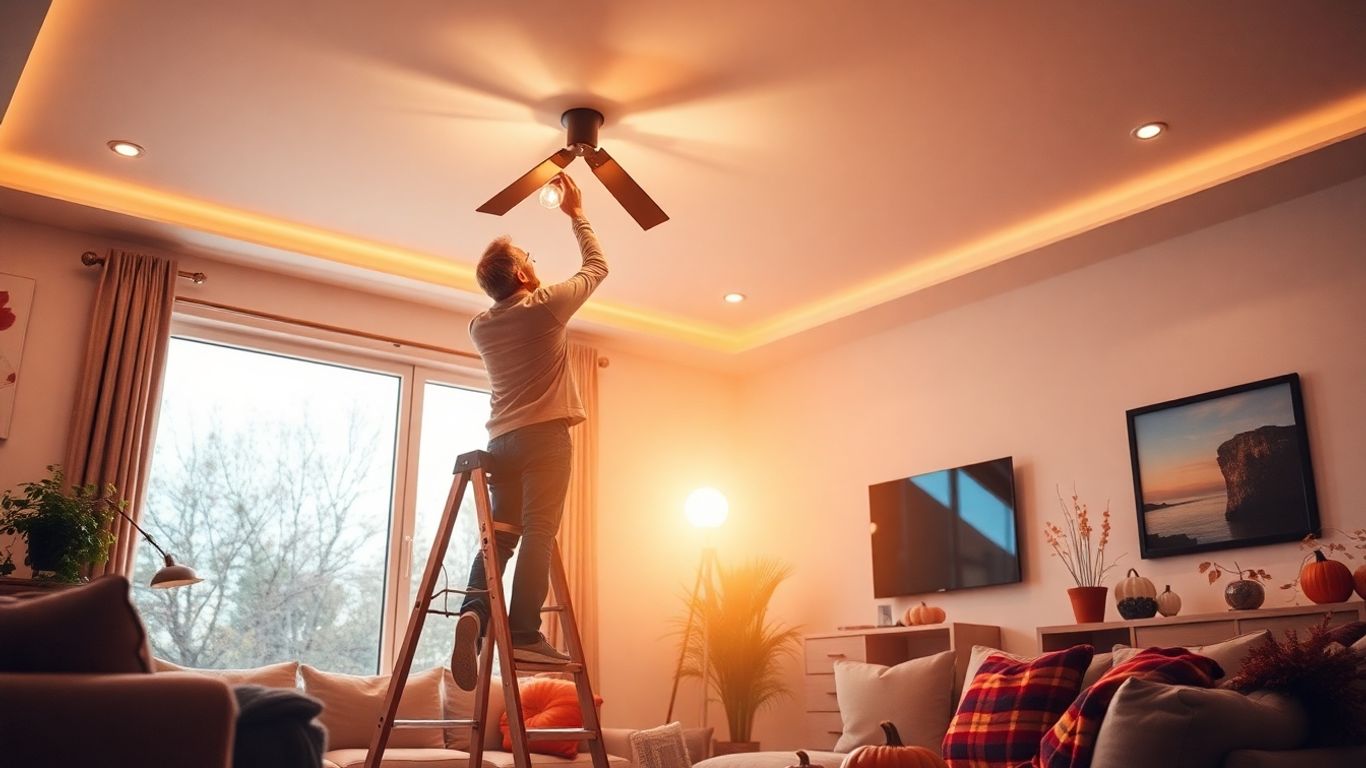
As we roll into fall, switching to energy efficient lighting is one of those home projects that pays back quickly. This season is marked by earlier sunsets, longer nights, and a noticeable jump in the amount of time we keep our lights on. Getting ahead with new lighting now can bring both immediate and ongoing benefits.
Reducing Energy Bills as Days Get Shorter
The main motivator for most of us is the drop in monthly energy costs. Traditional lighting just eats up electricity as the days darken and we spend more evenings indoors.
Here’s a quick table to see what kind of difference energy efficient bulbs can make compared to old ones:
| Bulb Type | Energy Use (Watts) | Typical Lifetime (Hours) | Estimated Yearly Cost (per bulb) |
|---|---|---|---|
| Incandescent | 60 | 1,000 | $8.00 |
| Halogen | 43 | 2,000 | $5.80 |
| CFL | 14 | 10,000 | $2.00 |
| LED | 8 | 25,000 | $1.20 |
- We see the most drastic savings when moving from incandescent bulbs to LEDs or CFLs.
- Lower wattage means each bulb pulls less electricity for the same amount of light.
- With longer life, you don’t need to replace bulbs as often.
Swapping out our old lighting now keeps our utility bills to a minimum right as usage tends to spike. That means extra money in our budget when holiday expenses crop up.
Improving Home Comfort and Ambiance
Another bonus we often overlook is how good lighting can make our homes feel better to live in, especially in colder months when we rely on indoor comfort more than ever.
Energy efficient lighting can:
- Help us avoid eye strain by offering steadier, natural-feeling light
- Match the mood for game night, homework, or a classic movie marathon
- Give off less heat, which matters when our heating already works overtime
It’s easy to forget how much lighting changes the comfort of a space. When we upgrade, rooms feel fresher and just more welcoming. That can make the long stretch of fall and winter cozy instead of dreary.
Choosing the Right Fixtures and Bulbs for Your Space
Switching to energy efficient lighting in the fall isn’t just about buying a pack of LED bulbs and screwing them in throughout the house. We need to consider which type fits each room and what works best for our routines. There are so many options now, so it pays off to pause and plan before heading to the hardware store.
Types of Energy Efficient Bulbs
Energy efficient bulbs aren’t limited to just one option. Here’s a quick rundown of the main types and how they compare:
| Type | Lifespan (hours) | Typical Wattage | Color Choices | Best Use |
|---|---|---|---|---|
| LED | 15,000–25,000 | 4–20 | Warm to Cool (many) | Most rooms |
| CFL | 8,000–10,000 | 8–20 | Fewer than LED | Porch, garage |
| Halogen | 1,000–2,000 | 29–72 | Warm | Dimmable lamps |
LED bulbs, for example, use very little electricity and fit almost every setting. CFLs are still better than old incandescents, but less common now. Halogen bulbs also save a bit, but they’re not as efficient as LEDs.
Matching Lighting Solutions to Room Function
Before swapping every bulb, let’s think about what each space needs. Kitchens, bedrooms, bathrooms, and living rooms all have different lighting jobs to do.
- In the kitchen, go for bright, cooler lights for prepping meals. It helps us see what we’re cutting.
- Bedrooms usually need warmer, softer light. That makes it easier to wind down and relax at night.
- Living rooms change throughout the day. Maybe add dimmable bulbs so we can adjust according to the time or mood.
- Bathrooms need even light—no dark corners. LEDs with good color rendering are a winner there.
Sometimes, a simple change like picking the right bulb can really change how a room feels, making evenings at home a bit cozier or mornings brighter without a big remodel.
It’s all about taking small steps—one room at a time—until the whole home feels comfortable and energy bills start to drop.
Steps to a Successful Energy Efficient Lighting Installation
When we’re ready to switch to energy efficient lighting, the first thing we need to do is look at what we already have. That means making a quick list of all the lights in every room—ceiling fixtures, lamps, even the weird old bulb in the hallway closet. Let’s not forget outdoors, or any basement or garage areas. This step helps us avoid wasting money on bulbs we might not need.
Here’s a simple breakdown of what we usually check:
- Types of existing bulbs (incandescent, CFL, halogen, etc.)
- Wattage and lumens for each fixture
- Frequency and purpose of each light source (task, accent, general lighting)
- Fixtures that get used most often, so we start saving money fastest
If you take a moment to really notice which rooms are too dim or too stark, it’s easier to choose the right replacement bulbs later.
Installation Tips for Optimal Results
Now let’s talk about swapping out the bulbs and getting the most out of our new setup. Proper installation is how we maximize both savings and performance. You don’t need any advanced skills to get started—just a few basic steps and a little patience.
Here’s what we’ve found works best:
- Always switch off the power before you unscrew any bulb. Even though it sounds obvious, safety can’t be overdone.
- Match the new energy efficient bulb’s wattage and base size to the fixture.
- Don’t try to force bulbs into old or damaged fixtures—instead, consider upgrading the fixture itself for better efficiency.
- Space your new bulbs evenly, especially in rooms with recessed lighting, to avoid dark spots or harsh glare.
| Bulb Type | Typical Lifespan (Hours) | Energy Savings Compared to Incandescent |
|---|---|---|
| LED | 15,000–25,000 | Up to 80% |
| CFL | 7,000–15,000 | Up to 70% |
| Halogen (Eco) | 2,000–4,000 | About 30% |
Taking our time and doing each step right means we get a well-lit, efficient, and comfortable home just in time for those longer fall nights.
Wrapping Up Our Lighting Switch
So, as we look at the changes we can make this fall, switching to energy efficient lighting feels like a pretty simple step. We all want to save a bit on our bills, and honestly, it’s nice knowing we’re doing something good for the planet, too. The new bulbs are easy to find, and swapping them out doesn’t take much time. If we start with just one room, we’ll probably notice the difference right away. Let’s give it a shot this season and see how it goes. Who knows, maybe we’ll wonder why we didn’t do it sooner.
Frequently Asked Questions
How much money can we save by switching to energy efficient lights?
Switching to energy efficient lighting can help us save a lot on our electricity bills. On average, we might see savings of up to 75% on lighting costs compared to using traditional bulbs.
Are energy efficient bulbs safe for all rooms in our home?
Yes, energy efficient bulbs like LEDs and CFLs are safe to use in all rooms. We just need to pick the right type and brightness for each space to make sure we get the best results.
Do we need a professional to install new energy efficient lights?
Most energy efficient bulbs are easy to install and we can do it ourselves. But if we want to change fixtures or add new wiring, it’s a good idea to ask a professional for help to stay safe.
