


As winter approaches in Wichita, we need to think about our homes. The cold can be tough on everything, including our electrical systems. We’re going to look at some simple steps we can take to get ready. It’s about keeping our lights on and our homes safe when the temperatures drop. Let’s get our homes prepared for the cold weather ahead.
Key Takeaways
- We should check our outside electrical bits before the really cold weather hits. Things like outdoor outlets and lights need a look-over.
- Inside, we need to make sure our main electrical setup is in good shape. This means checking your breaker box and any visible wiring.
- Sometimes, it’s smart to get professional help. Looking into electrical winterization services can give us peace of mind, especially if we’re unsure about what to do ourselves or if we have older systems.
Protecting Your Home’s Electrical Systems During Cold Weather
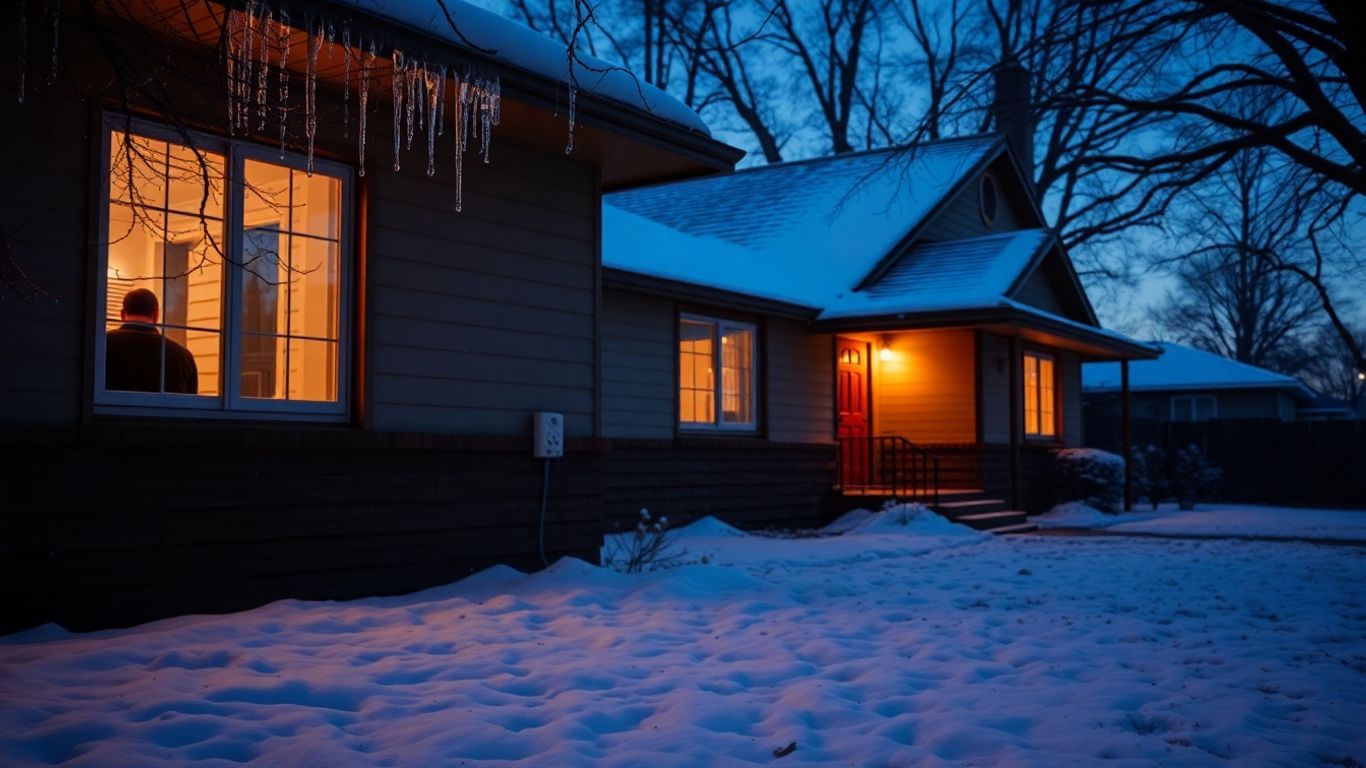
When winter rolls around here in Wichita, we often think about heating and pipes, but our electrical systems need some attention too. Cold weather can put a strain on things, and we want to make sure everything stays safe and works right. Let’s look at a couple of key areas.
Outdoor Electrical Safety Checks
We should all take a moment to check the electrical bits outside our homes before the really cold weather hits. Things like outdoor outlets, light fixtures, and any wiring that’s exposed can get damaged by ice, snow, or even just the temperature swings.
- Inspect all outdoor outlets for any signs of cracking or damage. If you have covers, make sure they’re closed and sealed properly to keep moisture out.
- Check any exterior light fixtures. Make sure they’re securely attached and that the bulbs are the right kind for outdoor use. Sometimes, the cold can make materials brittle.
- Look at any visible wiring. Are there any frayed spots or areas where the insulation looks worn? This is especially important if you have outdoor lighting or power for sheds.
It’s a good idea to be extra careful around outdoor electrical components when it’s wet or icy. Water and electricity don’t mix well, and the cold can make things more unpredictable.
We’ve seen cases where ice buildup around an outdoor outlet can cause problems down the line, sometimes leading to short circuits or even damage to the outlet itself. A quick visual check can prevent a bigger headache later.
Indoor Electrical System Preparedness
Inside the house, we need to think about how the cold might affect our electrical setup. It’s not just about keeping the lights on; it’s about preventing issues that could arise from the temperature changes or increased usage.
- Test your smoke and carbon monoxide detectors. Cold weather often means more time indoors and potentially using heating systems that could malfunction. These detectors are your first line of defense.
- Be mindful of overloaded circuits. With more people home and using more devices, it’s easy to plug too many things into one outlet or power strip. This can cause breakers to trip or, in worse cases, create a fire hazard.
- Check your circuit breaker panel. Make sure the breakers aren’t tripped. If a breaker trips often, it might be a sign of an issue that needs a closer look from an electrician.
We also want to think about how our heating system interacts with our electrical setup. Furnaces and electric heaters draw power, and if your system is older or not up to par, the increased demand from winter can expose weaknesses. Paying attention to any flickering lights or outlets that feel warm to the touch is important. These are signs that something might need attention before it becomes a bigger problem.
Ensuring Reliable Power and Preventing Electrical Issues
Winter in Wichita can bring some wild weather, and that often means power interruptions. We want to make sure your home’s electrical setup is ready for whatever comes its way. This section focuses on keeping the lights on and avoiding electrical headaches when the temperatures drop.
Generator Maintenance for Power Outages
When the power goes out, a generator can be a real lifesaver. But if it hasn’t been used since last winter, it might not be ready to go. We need to give it some attention now. Regular checks are key to making sure your generator starts when you need it most.
Here’s what we typically look at:
- Fuel Check: Make sure you have fresh fuel. Old fuel can clog up the engine. If it’s been sitting for a while, consider draining it and refilling with new gasoline. Also, check the fuel stabilizer if you used it.
- Oil Level: Just like your car, generators need oil. Check the dipstick and add oil if it’s low. Using the correct type of oil is important, so consult your generator’s manual.
- Battery Condition: If your generator has an electric start, the battery needs to be in good shape. Check the terminals for corrosion and make sure the battery is charged.
- Test Run: The best way to know if it works is to run it. Start it up for about 15-20 minutes every few months. This keeps the engine parts lubricated and the battery charged.
- Load Test: If possible, connect a small load, like a lamp or a fan, during the test run. This helps the generator run more efficiently and ensures it can handle a basic electrical need.
Understanding Your Need for Electrical Winterization Services
Sometimes, the best way to prepare your home’s electrical system for winter is to call in the pros. We can spot potential problems before they become big issues. Think of it as a check-up for your home’s electrical heart.
Here are a few signs that you might need our help:
- Old Wiring: If your home has older wiring, like knob-and-tube or ungrounded circuits, it might not handle the increased load of winter heating appliances safely.
- Frequent Breaker Trips: If your circuit breakers trip often, especially when you turn on heating devices, it’s a sign that your system might be overloaded or there’s an underlying issue.
- Dimming Lights: Lights that dim when other appliances turn on can indicate a problem with your home’s wiring or its connection to the power grid.
- Outdated Outlets: If you have old, two-prong outlets, they lack the grounding that modern appliances need for safety.
We can inspect your entire electrical system, from the main panel to the outlets and switches. This includes checking for loose connections, signs of wear, and making sure everything meets current safety codes. It’s about preventing shocks, fires, and keeping your heating systems running without interruption.
Don’t wait for a problem to happen. A little proactive attention to your electrical system can save you a lot of trouble and keep your home safe and warm all winter long.
Wrapping Up Your Home’s Electrical Winter Prep
So, we’ve gone over a few things to check on your home’s electrical setup before the cold really hits Wichita. It might seem like a lot, but taking these steps can really make a difference. We want to help you avoid any unexpected problems when the weather gets rough. Keeping an eye on your wiring and outlets is just good sense. If anything seems off, don’t hesitate to call a professional. A little bit of attention now can save you a lot of hassle later. Stay warm and stay safe this winter!
Frequently Asked Questions
What electrical parts outside our house need a look before winter hits?
We should check things like outdoor outlets, light fixtures, and any wiring that’s exposed to the weather. Making sure covers are on tight and there’s no visible damage helps prevent problems when it gets cold and wet.
How can we make sure our power stays on if there’s a storm?
Having a generator is a good idea. We need to make sure it’s in good working order by checking its fuel, oil, and making sure it starts up okay. Regular checks prevent it from failing when we need it most.
When should we think about getting professional help for winterizing our electrical setup?
If we notice any flickering lights, outlets that don’t work right, or if we’re unsure about the condition of our outdoor electrical gear, it’s smart to call in the experts. They can spot hidden issues we might miss.
