


Our businesses rely on electricity more than ever. Sometimes, the electrical system we have just isn’t enough anymore. We might be adding new equipment, or maybe our current setup is just getting old. When this happens, thinking about breaker panel upgrades becomes important. It’s not just about having enough power; it’s about keeping things running smoothly and safely. Let’s look at why these upgrades matter and what’s involved.
Key Takeaways
- Upgrading your breaker panel can make your business safer and more dependable. It helps handle more electrical needs without problems.
- Planning ahead is smart. We need to check what power we use now and pick a panel that can handle what we might need later.
- Getting a new panel means installation and permits. But in the long run, it saves money and makes our operations work better.
Understanding The Benefits Of Commercial Breaker Panel Upgrades
When we look at our commercial buildings, the electrical system is often out of sight, out of mind. But that breaker panel? It’s the heart of it all. Upgrading it isn’t just about replacing old parts; it’s about making things better, safer, and ready for what’s next. We’ve seen firsthand how a modern panel can change operations.
Enhanced Safety And Reliability
Old breaker panels can be a real headache. They might trip more often than they should, or worse, they might not trip when they’re supposed to. This is a big safety concern. A faulty panel can lead to overheating, which is a fire risk. It can also cause equipment damage from power surges or inconsistent power flow. A new panel brings peace of mind because it’s built with modern safety standards. We’re talking about better insulation, more robust circuit protection, and components that are designed to last. This means fewer unexpected shutdowns, less risk of electrical fires, and a more stable power supply for all your business operations. It’s about protecting our people and our property.
Supporting Increased Electrical Loads
Businesses grow, and with growth comes more electrical demand. Think about adding new machinery, upgrading computers, installing more lighting, or even just running more devices simultaneously. An older panel might simply not have the capacity to handle this extra load. It’s like trying to push too much water through a small pipe – things get strained and can break. A breaker panel upgrade allows us to increase the overall amperage available. This means we can comfortably power all our current equipment and have room to add more in the future without worrying about overloading the system. It’s a proactive step that prevents future problems and supports our business’s expansion plans. We can look at the numbers:
| Current Panel Capacity | Potential New Capacity |
|---|---|
| 100 Amps | 200 Amps |
| 150 Amps | 300 Amps |
| 200 Amps | 400 Amps |
This kind of increase makes a real difference in how much we can do and how reliably we can do it.
Planning Your Commercial Breaker Panel Upgrade
When we think about upgrading our commercial breaker panel, the first step is really about taking a good, hard look at what we need right now and what we might need down the road. It’s not just about swapping out an old box; it’s about making sure our electrical system can keep up with our business.
Assessing Current Electrical Needs
Before we even start looking at new panels, we need to figure out exactly how much power we’re using. This means looking at all our equipment, lighting, and any other electrical devices. We should make a list of everything that draws power and how much it uses. Sometimes, just looking at the old panel’s breaker sizes can give us a clue, but it’s better to be more thorough. We might even need to do some actual measurements to see peak loads. Understanding our current consumption is the bedrock of a successful upgrade. This helps us avoid buying a panel that’s too small or, conversely, one that’s way bigger than we’ll ever need.
Here’s a quick way to start thinking about it:
- Lighting: How many lights do we have, and what type? LED is much more efficient than older types.
- Machinery & Equipment: List all major appliances, computers, servers, specialized tools, HVAC units, etc. Note their wattage or amperage.
- Office Equipment: Think about computers, printers, copiers, and other common office gear.
- Future Additions: Are we planning to add new equipment or expand our operations soon?
It’s easy to overlook small loads, but they add up. A coffee maker here, a few extra monitors there – it all contributes to the total electrical demand.
Choosing The Right Panel For Future Growth
Once we know our current needs, we have to think about the future. Businesses change, and our electrical system should be able to adapt without needing another major overhaul too soon. This means picking a panel that has some extra capacity. It’s like buying a slightly bigger car than you need right now, just in case your family grows or you need to haul more stuff.
When selecting a new panel, we should consider:
- Capacity: How many amps can the panel handle? We need to make sure it’s enough for our current load plus a buffer for growth. A good rule of thumb is to add at least 20-25% for future needs.
- Number of Circuits: How many individual circuits will we need? This depends on how many different areas or types of equipment we have. It’s better to have a few extra slots than to run out.
- Type of Breakers: Modern panels use circuit breakers that are safer and more reliable than old fuses. We should look for panels that meet current safety standards.
- Brand and Quality: We want a panel from a reputable manufacturer that will last. Cheaper isn’t always better when it comes to electrical safety.
We should talk to an electrician about our plans. They can help us figure out the right size and type of panel based on our specific situation and local electrical codes. Getting this right now saves us a lot of headaches and money later on.
The Process And Impact Of Breaker Panel Upgrades
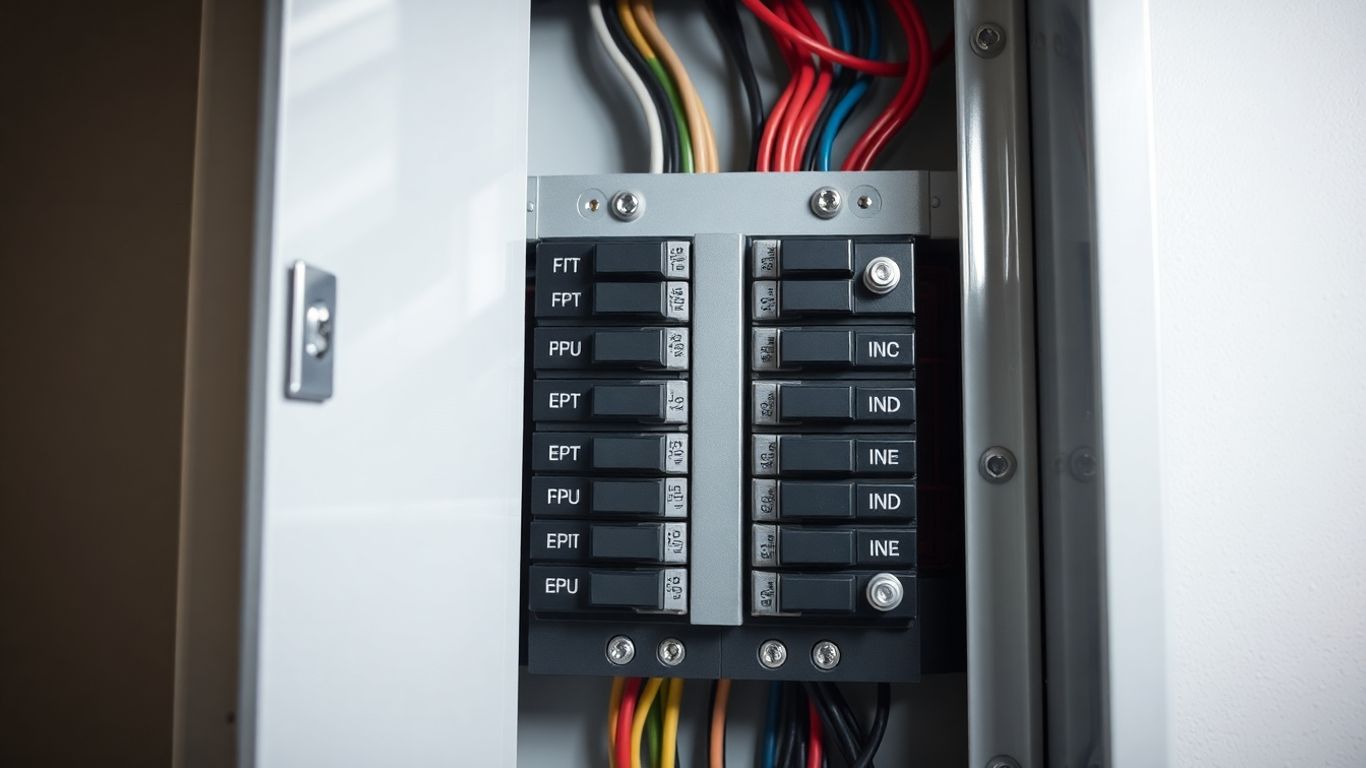
Upgrading a commercial breaker panel might seem like a big job, and honestly, it is. But it’s a necessary step for many businesses looking to keep things running smoothly and safely. We’ve seen firsthand how a well-planned upgrade can make a real difference.
Navigating Installation And Permitting
Getting a new breaker panel installed involves more than just swapping out the old box. First, we need to look at the current setup. This means checking the existing wiring, the size of the current panel, and what’s connected to it. We also have to consider the local building codes and regulations. Permits are almost always required, and the process can vary quite a bit depending on where your business is located.
Here’s a general idea of what to expect:
- Initial Assessment: An electrician will come out to evaluate your current system and discuss your needs.
- Design and Planning: Based on the assessment, a plan for the new panel and its placement will be developed.
- Permit Application: We’ll submit the necessary paperwork to your local building department.
- Installation: A licensed electrician will perform the actual panel swap and wiring.
- Inspection: After installation, a building inspector will need to sign off on the work.
This entire process requires careful coordination to minimize downtime for your business. We work hard to schedule the installation during off-peak hours or weekends whenever possible.
Long-Term Cost Savings And Efficiency Gains
While there’s an upfront cost to upgrading, the long-term benefits are significant. A modern breaker panel is designed to handle today’s electrical demands more efficiently. This means less strain on the system, which can lead to lower energy bills. Think about all the equipment and devices businesses use now that weren’t common even ten years ago. An older panel might be struggling to keep up, leading to wasted energy.
Here are some of the ways an upgrade pays off:
- Reduced Energy Waste: Newer panels are more efficient, meaning less electricity is lost as heat.
- Fewer Electrical Issues: Old, worn-out panels are prone to problems like flickering lights, tripped breakers, and even electrical fires. An upgrade drastically reduces these risks.
- Support for New Technology: As your business grows and adopts new technology, a robust electrical system is a must. An upgraded panel provides the capacity needed.
We often find that businesses underestimate the electrical demands of their modern equipment. A panel that was adequate a decade ago might be a bottleneck today, leading to performance issues and higher operating costs. Addressing this proactively is smart business.
We’ve seen businesses experience a noticeable drop in their electricity costs after an upgrade, alongside a significant decrease in unexpected electrical interruptions. It’s an investment that truly supports the day-to-day operations and future growth of your company.
Wrapping Up Our Panel Upgrade Talk
So, we’ve gone over why upgrading your commercial breaker panel is a good idea. It’s not just about avoiding problems down the line, though that’s a big part of it. A modern panel can handle your current power needs and give you room to grow. Think about the safety improvements and the potential for better energy use, too. We know it might seem like a big job, but the benefits really add up. When you’re ready to look into this for your business, remember to work with qualified electricians. They’ll make sure the job is done right, keeping your operations running smoothly and safely for years to come.
Frequently Asked Questions
Why should we think about upgrading our business’s breaker panel?
Upgrading your business’s breaker panel is a smart move for several reasons. Primarily, it makes our electrical system much safer and more dependable, reducing the risk of power outages or electrical fires. Also, as our business grows and we use more equipment, an older panel might not be able to handle the extra power needed. A new panel ensures we have enough electricity for everything we do now and for future needs.
What’s the first step in planning a breaker panel upgrade?
The very first thing we need to do is figure out exactly how much electricity our business uses right now. This means looking at all the machines, lights, computers, and other devices that need power. Once we know our current needs, we can then think about what our business might need in the future. Will we add more equipment? Will our power demands increase? Planning for the future helps us choose a panel that won’t just work today but will also support our business for years to come.
Will upgrading our breaker panel save us money in the long run?
Absolutely! While there’s an upfront cost, upgrading our breaker panel can lead to significant savings over time. A more efficient panel uses electricity better, which can lower our energy bills. Plus, by preventing electrical problems and ensuring reliable power, we avoid costly repairs and downtime that can hurt our business. It’s an investment in a smoother, more efficient operation.
