


Running a business means you’ve got a lot on your plate. One thing that often gets overlooked is the electrical setup. It’s not flashy, but if something goes wrong, everything grinds to a halt. That’s why using professional Commercial Electrical Services matters. These experts keep your lights on, your machines running, and your workplace safe. Whether you’re opening a new location, expanding your operations, or just trying to cut down on energy bills, having the right electrical team can save you time, money, and a lot of headaches.
Key Takeaways
- Professional Commercial Electrical Services help prevent unexpected downtime and keep your business running smoothly.
- Certified electricians make sure your workplace meets safety standards and local codes, reducing risks for everyone.
- Upgrading to energy-efficient lighting and smart controls lowers bills and supports your company’s green goals.
- Custom electrical solutions can be designed for new buildings or expansions, making future growth easier.
- Regular maintenance and quick emergency support mean problems get fixed fast, so you can focus on your business.
Understanding the Value of Professional Commercial Electrical Services
When business owners think about what keeps their companies running day after day, electricity isn’t always the first thing that comes to mind—until there’s a problem. Commercial electrical needs are nothing like what you’d find at home. A blown fuse at home is annoying, but in the workplace, it can bring production to a halt, drop sales, or leave the team scrambling around in the dark. Having skilled commercial electricians in your corner is one of the best ways to stay prepared, productive, and compliant.
Impact on Business Continuity and Productivity
Ever had the lights suddenly flicker out during an important client call, or found machinery shutting down right in the middle of a deadline? Commercial electrical failures often lead to lost time and money, sometimes by the minute. Professional electricians:
- Respond quickly to electrical issues, often minimizing downtime.
- Identify and fix the root cause, not just the symptoms.
- Recommend improvements to prevent repeat problems.
| Downtime Scenario | Estimated Revenue Lost per Hour |
|---|---|
| Retail Store | $500 – $5,000 |
| Medium-Sized Office | $250 – $2,000 |
| Manufacturing Floor | $1,000 – $10,000 |
Avoiding extended downtime can make a difference between missing a sales target and exceeding expectations for the quarter.
Safety and Compliance in the Workplace
Nobody wins when safety shortcuts are taken, especially with electricity. Licensed commercial electricians are focused on safety from day one. They ensure:
- All work follows local and national codes and regulations.
- Systems are installed with the right protective devices.
- Employees aren’t put at risk by faulty wires or overloaded panels.
This isn’t just about ticking boxes. It can also protect your business from hefty fines, lawsuits, or the kind of accident you hope never happens at work.
Expertise for Growing Business Needs
As your business changes, its electrical needs change too. Maybe you’re hiring more staff, adding new equipment, or expanding to a bigger space. Professional electricians:
- Assess your current capacity and predict future demand.
- Suggest upgrades or flexible solutions to support your goals.
- Help you avoid overloading circuits or outgrowing your setup unexpectedly.
Working with the right commercial electrical partner maps a smarter path for your business to adapt and grow without hitting surprise electrical roadblocks.
Designing and Installing Cutting-Edge Electrical Systems
You might think setting up a new building is just about putting up walls and picking out paint colors, but honestly, one of the biggest headaches comes down to wiring and power. Here’s why it matters, and how smart planning saves everyone time and money later on.
Custom Solutions for New Commercial Buildings
There’s never a one-size-fits-all approach. Every workspace, whether it’s a huge warehouse or a three-person coffee shop, needs something a bit different. Building an electrical system from scratch means matching it exactly to what your business will need today—and down the road.
Key steps in a good setup include:
- Working with designers, architects, and contractors to get the basic plans right
- Choosing the right wiring and equipment based on how you’ll actually use your spaces
- Future-proofing—think about new machines, tech, or even extra floors
When these are done right at the start, you avoid annoying surprises a year or two later.
Integrating Security and Data Cabling
If you leave data and security as an afterthought, you’re setting yourself up for frustration. Integrating things like high-speed data lines, building-wide Wi-Fi, and camera systems from the beginning just makes sense. This approach:
- Prevents having to rip up walls or move furniture post-move-in
- Makes sure everything can be managed from one place, reducing confusion
- Allows for easier system upgrades as technology changes
A quick comparison of core systems needed in a modern commercial space:
| System | Typical Functions |
|---|---|
| Power Distribution | Lighting, outlets, machinery |
| Security | Cameras, alarms, access control |
| Data Cabling | Internet, phone, servers |
| HVAC Controls | Air, temperature, automation |
Scalable Infrastructure for Future Expansion
What happens if business takes off, and suddenly you need a bigger office or to run a ton of new equipment? If the original system was planned around flexibility, you’re in luck. Scalability can mean:
- Easy add-ons for more lights, outlets, or special machines
- The ability to support high-capacity tech, like fast-charging stations for delivery vans
- No need to redo everything if you knock down walls or split rooms into smaller offices
Planning for business growth from the first day of electrical installation can spare you major costs and headaches later. It’s easier—and usually cheaper—to build with flexibility than to start over.
In the end, a good electrical setup forms the backbone of a productive workspace. When you get the right mix of custom solutions, built-in tech, and space for future growth, your business stays ready for whatever’s next.
Enhancing Workplace Safety Through Electrical Expertise
Certified Electricians and Strict Safety Protocols
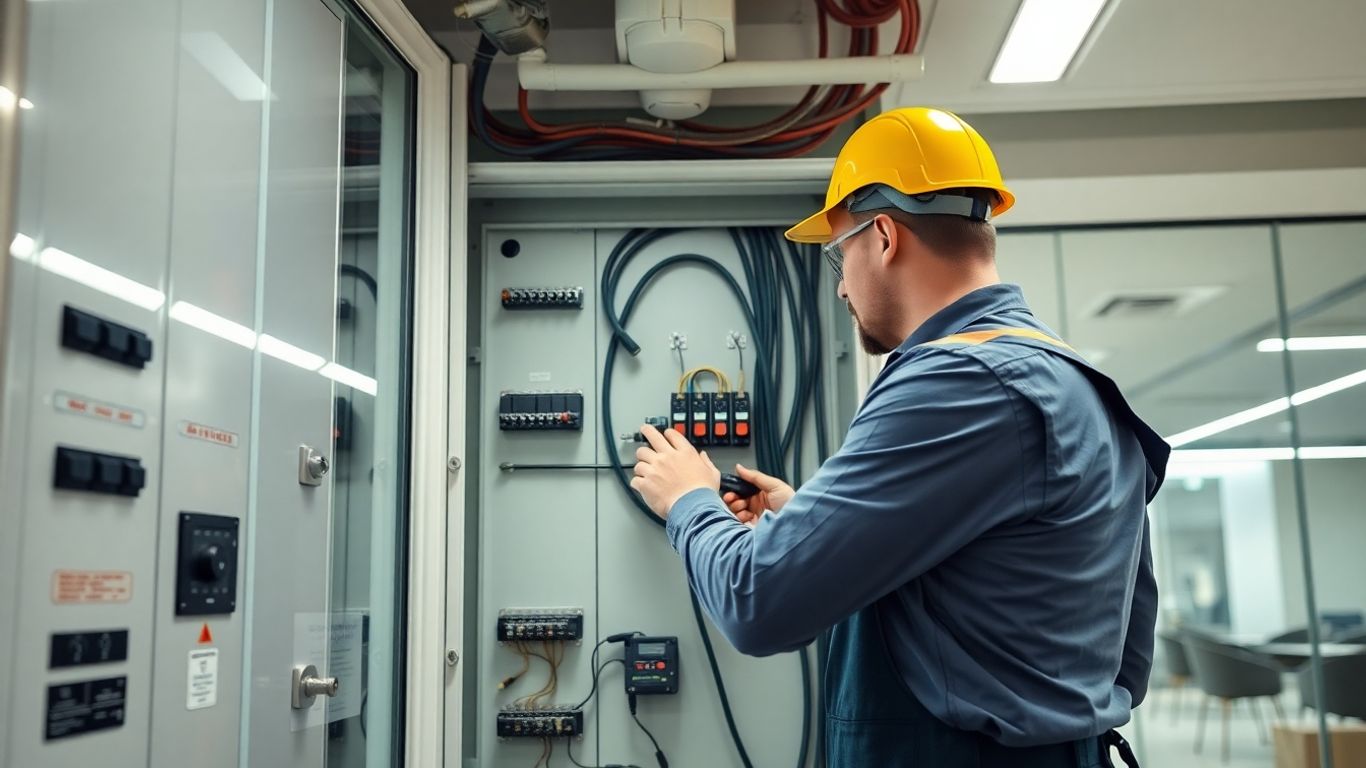
When you bring in licensed commercial electricians, you’re getting more than just repairs or wiring upgrades. These professionals follow strict procedures every time they step into your business. Only certified experts should handle commercial systems because the risks are just too high for anyone else. Here’s what certified electricians bring to the table:
- Expertise handling commercial voltage and power systems
- Consistent use of proper personal protective equipment (PPE)
- Routine safety briefings and up-to-date training
- Detailed documentation of all work performed
Safety isn’t negotiable when you’re dealing with electricity inside a business. Often, shortcuts or unlicensed work cause more harm than good.
Proactive Electrical Inspections and Maintenance
Regular checkups might seem like overkill, but electrical problems rarely give much warning before they turn serious. Scheduled inspections and planned maintenance make it less likely you’ll experience costly downtime or, worse, workplace injuries. Here’s why it matters:
- Early detection of worn-out wiring or overloaded circuits
- Finding small issues before they turn into emergencies
- Improved insurance compliance and peace of mind
| Inspection Frequency | Issues Typically Caught |
|---|---|
| Quarterly or Semi-Annual | Minor wiring frays, loose parts |
| Annual | Equipment wear, outdated panels |
| After major renovations | New code updates, system strain |
Proactive electrical maintenance lowers the odds of surprises and keeps everyone at work a lot safer. Slight inconveniences today might save you from big headaches tomorrow.
Adherence to Local Codes and Regulations
Staying up-to-date with the latest requirements isn’t just a box to check – it’s key for avoiding fines and keeping people safe. Rules and building codes can change, and there’s no guarantee your old system still meets today’s standards.
- Only licensed electricians know the most current regulations
- Regular code checks mean fewer compliance issues
- You reduce fire risk and prevent penalties or legal trouble
In short: Following the rules keeps both your business and employees protected. That’s one less thing to keep you up at night.
Boosting Efficiency with Energy-Saving Commercial Lighting
Upgrading your business’s lighting system can do more than just save on your energy bill—it can change the way your workspace feels and operates every day. From simple bulbs to smart controls, today’s commercial lighting makes a difference in cost, comfort, and operations.
Benefits of Energy-Efficient LED Lighting
Switching to energy-efficient LED lighting cuts business electricity bills and maintenance costs fast. LEDs use less power to produce the same (or better) light than older bulbs and last much longer, so you won’t be climbing ladders for replacements all the time.
A quick comparison makes the savings clear:
| Lighting Type | Energy Usage | Typical Lifespan |
|---|---|---|
| Incandescent | High | 1,000 hrs |
| Fluorescent | Medium | 7,000 hrs |
| LED | Low | 25,000+ hrs |
Other key points:
- LEDs create less heat, so workspaces stay more comfortable
- Options for color temperature help support specific tasks or moods
- Reduced bulb changes = fewer disruptions
It’s not just about saving money—improving lighting can help employees stay focused and boost morale, all while keeping your business greener.
Smart Lighting Controls for Optimized Consumption
Modern lighting isn’t dumb—it knows when to switch on, off, or dim, thanks to smart controls. These systems use sensors, timers, and sometimes even phone apps to avoid lighting empty rooms or taking up unnecessary energy during daylight hours.
How smart lighting controls help:
- Occupancy sensors turn lights off automatically when nobody’s around.
- Dimming controls let you adjust brightness and save even more.
- Scheduling lets you set lighting routines based on work hours or seasons.
By using these smart features, you lower your energy use without sacrificing light quality—plus, retrofitting existing setups is easier than you might think.
Compliance with Environmental Sustainability Goals
More clients, employees, and regulators are paying attention to sustainability every year. Swapping out old bulbs for efficient, modern lighting helps your business meet environmental targets and avoid penalties.
Key reasons to switch:
- Cuts your company’s carbon footprint without hassle
- Prepares you for upcoming government or industry regulations
- Shows a commitment to greener practices, which clients notice
Making one change—upgrading lighting—can set off a chain reaction of savings, easier maintenance, and a better workplace for years to come.
Upgrading and Modernizing Electrical Infrastructure
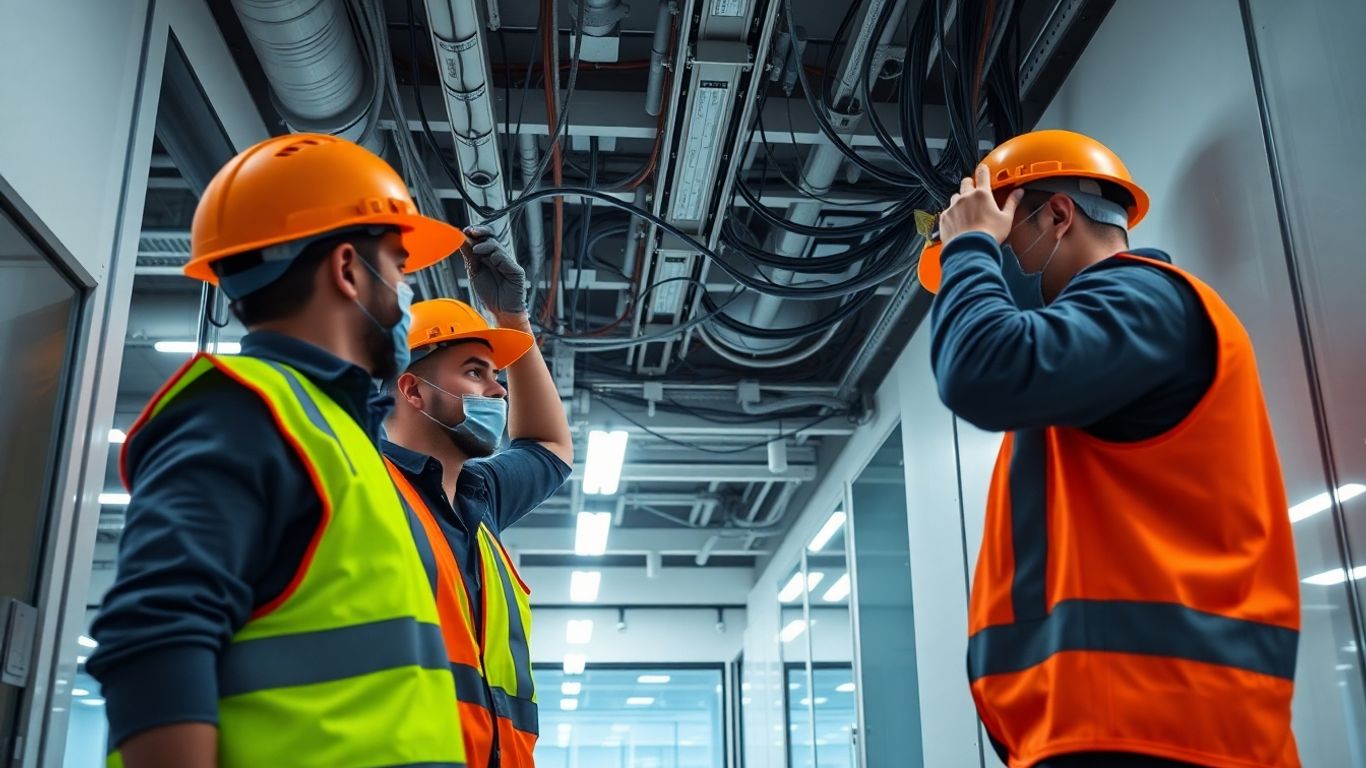
Businesses outgrow their electrical systems all the time. It’s sort of like when you realize your old phone charger isn’t even the right shape for your new phone — suddenly, what always worked just fine starts creating headaches every day. Keeping up with power demands and updating old wiring isn’t just about convenience, either—it’s about safety, reliability, and setting yourself up for whatever’s next. Let’s look at what’s actually involved.
Electrical Panel Upgrades to Meet Modern Demands
Older electrical panels just can’t keep up with today’s technology. One minute you’re plugging in a new copy machine or coffee maker, and the next everything’s tripping. Here’s when an upgrade makes sense:
- You’re consistently blowing fuses, tripping breakers, or noticing lights flicker.
- Adding new equipment, computers, or industrial machines.
- Safety worries or failing inspections due to out-of-date panels.
Upgrading boosts capacity and gives you the room you need as your business grows — instead of cobbling together awkward temporary fixes.
| Signs You Need an Upgrade | Potential Risks |
|---|---|
| Breakers trip often | Fire or electrical hazards |
| Panel feels hot | Costly downtime and repairs |
| Not enough outlets | Code violations and insurance issues |
Upgrading your panel isn’t just a technical fix—it’s peace of mind for your team and customers.
Installing Car Charging Stations for Business Fleets
Electric vehicles are showing up in more company parking lots. Installing EV charging stations means your business keeps pace with greener tech and avoids getting left out. Plan ahead by considering:
- How many vehicles need charging now (and in the future).
- Where stations are best placed for convenient access.
- Which commercial charging options work with your electric supply.
EV chargers aren’t just a perk—they’re starting to feel like a must for many places. Besides, having workplace charging gives your brand a boost with both customers and employees.
Retrofitting Existing Systems for Enhanced Performance
Let’s face it: tearing out everything and starting from scratch is rarely realistic. Retrofitting lets you work with what you have while boosting safety and efficiency. This can include:
- Upgrading old lighting to energy-saving LEDs.
- Rewiring for faster data or supporting new machinery.
- Adding surge protection or smart controls.
If you’re seeing rising power bills or running more extension cords than outlets, it’s time for a retrofit. This way, you get more out of your current setup — without the chaos of a total overhaul.
Maintenance and Emergency Solutions for Business Uptime
Electrical problems at work can quickly throw your whole day off. Even a short outage or a single broken circuit can mean missed deadlines, lost sales, and a whole lot of stress for everyone. That’s why it’s smart to treat maintenance and emergency planning as a must, not an afterthought. Having a good system in place keeps things running and helps avoid last-minute chaos.
Routine Preventative Maintenance Programs
Staying ahead with regular preventative maintenance is one of the best ways to keep your business running without interruptions. Here’s what that usually involves:
- Scheduled inspections to spot problems before something breaks
- Checking and tightening electrical connections
- Cleaning and testing panels
- Looking for signs of wear and tear, like hot spots or corrosion
- Updating any out-of-date components
A good maintenance program keeps equipment safe, meets inspection standards, and cuts down on sudden repairs. Just a reminder, proactive maintenance saves both time and money compared to dealing with surprises later. Business leaders know that unplanned failures can seriously hurt operations and even make customers nervous, so it’s worth looking into proactive maintenance plans that fit your needs.
Responsive Troubleshooting and Repairs
When something does go wrong, quick and accurate troubleshooting is key. Skilled electricians can:
- Quickly find the root cause of electrical issues
- Minimize downtime with targeted repairs
- Advise you on next steps and possible upgrades
For example, maybe it’s a faulty wire, tripped breaker, or equipment that needs replacing. Either way, a fast response means you aren’t left sitting in the dark waiting for things to be fixed. Reliable contractors also guarantee their work, giving you one less thing to worry about.
Minimizing Downtime with 24/7 Support
Emergencies never wait for office hours. That’s why many commercial electricians offer 24/7 support. Here’s what that means for you:
- Immediate help with power outages, hazards, or system failures
- Fast restoration so you can get back to work
- Confidence that someone is on call when you need it
| Support Feature | Availability | Main Benefit |
|---|---|---|
| Routine Maintenance | Scheduled | Prevents unexpected failures |
| Emergency Troubleshooting | 24/7 | Rapid response, less downtime |
| Repairs & Restorations | As needed | Keeps operations steady |
When you trust your electrical maintenance and emergency support to professionals, you’re setting your business up for smoother days and fewer surprises. There’s real value in always having backup when something breaks down.
Maximizing Operational Savings with Tailored Commercial Electrical Services
Making smart changes to your business’s electrical systems can make a noticeable difference in monthly spending. If you’re trying to keep the budget in line or just want a little breathing room for other projects, focusing on your electrical usage is a pretty good place to start.
Conducting Electrical Audits for Cost Efficiency
Think of an electrical audit like a yearly health check for your company’s power usage. You find out where power is leaking away, where you’re overusing certain appliances, and whether older systems are just plain costing you too much. Here’s what a typical audit process looks like:
- Collect data on current electrical usage (meters, bills, equipment surveys)
- Analyze major sources of consumption (lighting, HVAC, industrial machinery, computers)
- Identify outdated or inefficient equipment
- Prepare a report highlighting quick-fix savings and longer-term investment options
Pinpointing costly habits and equipment is often the first step to lowering utility bills.
| Audit Item | Potential Savings (�20/year) |
|---|---|
| Switching to LED Lighting | $3,500 |
| Upgrading HVAC Systems | $2,200 |
| Equipment Scheduling | $1,000 |
| Eliminating Standby Usage | $600 |
Implementing Energy Management Strategies
It doesn’t have to be all-or-nothing. Start with the easy stuff: install programmable thermostats, motion-activated lighting, or timers to shut things off after hours. For bigger results, consider:
- Smart building automation systems to control lights and temperature
- Load-shedding during peak hours
- Negotiating utility contracts with usage data in hand
Energy management isn’t just about cutting costs—it’s often about streamlining daily routines too. Sometimes the smaller, less visible steps lead to the biggest results over time.
Sometimes, the problem isn’t how much energy you use in total. It’s when you use it. Spreading out heavy machinery cycles or shifting work schedules can make a difference on your monthly bill—in ways that adding new gadgets might not.
Long-Term Benefits of Professional Partnerships
Working with a commercial electrical specialist isn’t just a one-off fix. Their help can keep your systems up-to-date with changing codes and new technologies. Some reasons businesses stick to the pros:
- Ongoing monitoring and reporting help flag small issues before they drain your budget
- Access to rebates or grants for upgrades and retrofits
- Confidence that installations and repairs will stand up to safety inspections
Long-term, taking the guesswork out of electrical planning means you’re less likely to be hit by unexpected costs—or stretched thin by emergency fixes. Businesses that build a relationship with a professional provider often get preferred rates and faster service, too.
Conclusion
Wrapping things up, it’s clear that having the right commercial electrical support can make a real difference for any business. Whether you’re opening a new location, upgrading your lighting, or just trying to avoid unexpected outages, working with professionals saves you time and headaches. It’s not just about keeping the lights on—it’s about making sure your team can work safely and your customers have a good experience. Plus, with so many energy-efficient options out there now, you can cut costs and even help the environment a bit. At the end of the day, investing in solid electrical solutions is just one of those things that pays off in the long run. If you’re not sure where to start, reaching out to a trusted commercial electrician is always a good move.
Frequently Asked Questions
Why should I hire a professional commercial electrician instead of doing it myself?
Professional commercial electricians have special training and experience to handle complex electrical systems safely. Doing electrical work yourself can be dangerous and may not meet safety rules, putting your business and people at risk.
How can commercial electrical services help my business save money?
Expert electricians can upgrade your lighting and equipment to more energy-efficient options, like LED lights. These changes can lower your energy bills, reduce maintenance costs, and help your business run better.
What kinds of businesses need commercial electrical solutions?
All types of businesses, such as offices, stores, factories, and warehouses, need reliable electrical systems. Professional electricians make sure these systems work smoothly, keeping your business safe and productive.
How often should I get my business’s electrical systems checked?
It’s a good idea to have your electrical systems inspected at least once a year. Regular checks can find small problems before they get bigger and more expensive to fix.
What should I do if there’s an electrical emergency at my business?
If you have an electrical emergency, like sparks, smoke, or a power outage, call a professional electrician right away. Never try to fix it yourself, as it could be dangerous.
Can commercial electricians help with new technology, like car chargers or smart lighting?
Yes, commercial electricians can install and set up new technology, such as electric car charging stations and smart lighting systems. They make sure everything is safe, works well, and fits your business’s needs.
