


Winter’s chill can make a cozy home feel even better, and sometimes, a little extra warmth is needed. Space heaters can be a good way to add heat to a room, but we need to be smart about how we use them. Safety should always come first, especially when it involves electricity. We’ll go over some important points to keep you and your home safe this winter.
Key Takeaways
- When picking a space heater, think about the room size and how you’ll use it. Make sure it has safety features like an auto-shutoff if it tips over.
- Always check the heater’s cord and plug for any damage before plugging it in. Don’t plug too many things into one outlet or use old extension cords.
- Keeping your heater clean and in good shape helps it work right. If a heater looks worn out or is very old, it might be time to get a new one.
Understanding Space Heater Types And Placement
When winter bites, a space heater can be a real lifesaver for those chilly rooms. But not all heaters are created equal, and where you put them matters a lot for safety. We need to get this right.
Choosing The Right Space Heater
First off, let’s talk about the kinds of heaters we’re looking at. There are a few main types, and each has its own way of working and its own safety considerations.
- Ceramic Heaters: These use a ceramic plate to heat up and then a fan blows the warm air out. They’re pretty common and good for heating a small to medium-sized room quickly. They tend to be pretty stable, so tipping isn’t usually a huge worry.
- Oil-Filled Radiators: These look like old-school radiators but are filled with oil. They heat up slowly but provide a steady, gentle warmth that lasts even after you turn them off. Because they don’t have fans, they’re quieter and don’t blow dust around, which is nice if you have allergies. They’re also generally quite safe because the surface doesn’t get as scorching hot as some other types.
- Infrared Heaters: These work a bit like the sun, sending out radiant heat that warms objects and people directly, rather than heating the air. They’re great for spot heating or for rooms where you’re not always present. They heat up fast, but you need to be mindful of what’s in their direct path.
- Fan Heaters (Convection): These are usually the most affordable. They have a heating element and a fan that pushes warm air into the room. They heat up a space pretty fast, but the fan can sometimes kick up dust. Make sure the vents aren’t blocked.
No matter which type you pick, always look for safety features like automatic shut-off if the heater tips over or overheats. That’s a big one.
Strategic Placement For Optimal Safety
Okay, so you’ve got your heater. Now, where does it go? This is where we can really mess things up if we’re not careful.
- Clearance is Key: We need at least three feet of clear space around the heater. That means no curtains, no blankets, no furniture, and definitely no piles of paper or anything flammable. Think of it like giving the heater its own little safety zone.
- Level Ground: Always place your space heater on a hard, level surface. Carpets can be a fire hazard, especially if they’re old or have been compressed. If you must use it on carpet, put a sturdy, non-flammable mat underneath it.
- Away From Water: Keep heaters far away from bathrooms, kitchens, or any place where water might splash or condense. Water and electricity just don’t mix, and it’s a recipe for disaster.
- Visibility: Try to place the heater where you can see it easily. If it’s tucked away in a corner, you might forget it’s on, or someone might accidentally bump into it.
We’ve heard stories, and sometimes they’re true, about heaters being too close to things and causing fires. It’s not worth the risk. A little bit of planning goes a long way in keeping our homes warm and safe.
Remember, these heaters are meant to supplement your main heating system, not replace it. Using them smartly means we can stay warm without inviting trouble.
Essential Electrical Safety Tips For Space Heater Use
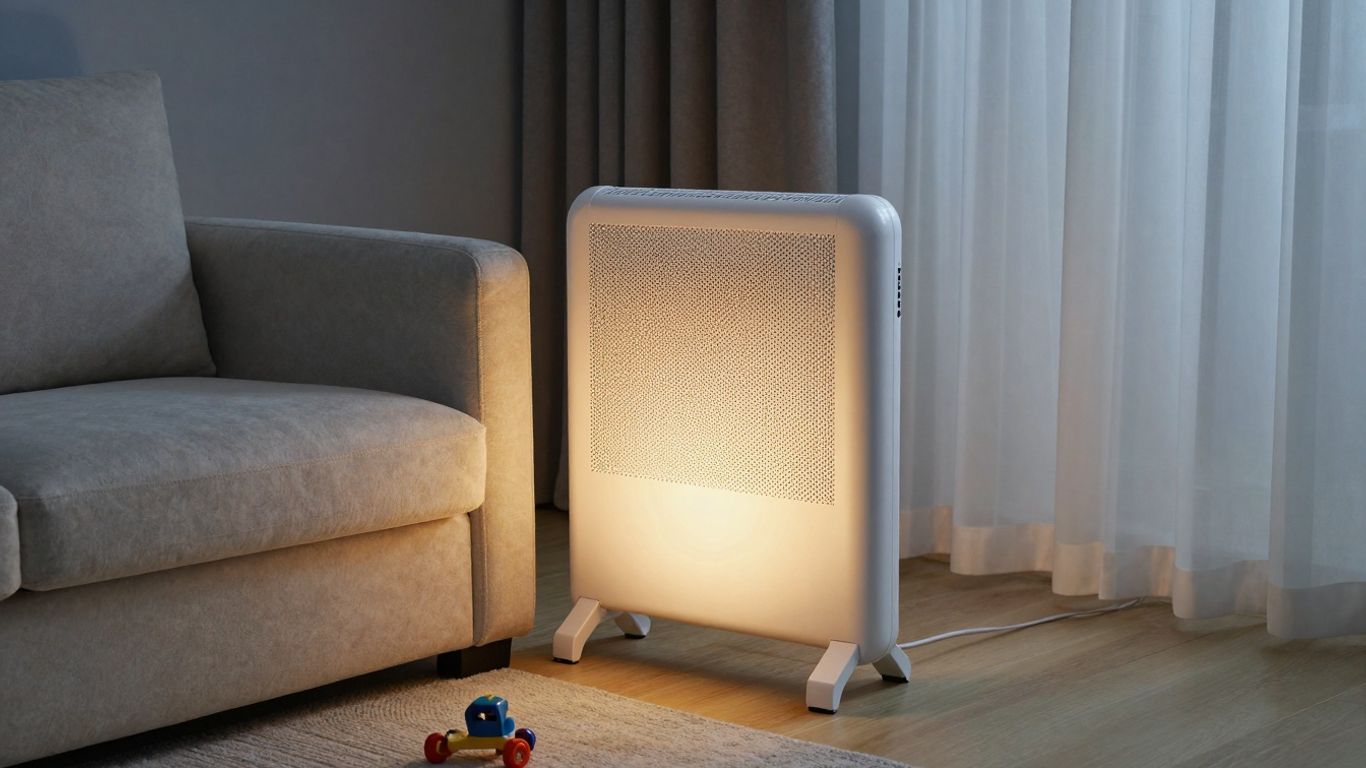
When we bring space heaters into our homes for that extra bit of warmth, we sometimes forget they’re electrical devices. And like any electrical device, they come with their own set of safety rules we really ought to follow. It’s not complicated stuff, but paying attention can make a big difference in keeping our homes safe and cozy.
Inspect Cords And Plugs Regularly
Before you even plug in that heater, take a good look at its cord and plug. We’re talking about checking for any signs of wear and tear. Are there any nicks or cuts in the cord’s rubber coating? Is the plug bent or damaged in any way? A damaged cord or plug is a fire hazard waiting to happen. If you see anything that looks off, it’s best not to use that heater until it can be repaired or replaced. It’s a simple check, but it’s one of the most important steps we can take.
Avoid Overloading Outlets And Extension Cords
This is a big one. Space heaters draw a lot of power, and trying to plug too many things into one outlet, or using an extension cord that isn’t rated for the heater’s wattage, can cause problems. We’ve all been tempted to plug our heater into the same power strip as the TV and the lamp, but we really shouldn’t. It puts a strain on the wiring.
Here’s what we need to keep in mind:
- Direct Connection: Whenever possible, plug your space heater directly into a wall outlet. This is the safest way to power it.
- Heavy-Duty Extension Cords: If you absolutely must use an extension cord, make sure it’s a heavy-duty one specifically designed for high-wattage appliances. Check the cord’s label for its amperage rating.
- One Heater Per Circuit: Ideally, a space heater should be the only major appliance plugged into a single electrical circuit. This helps prevent the circuit breaker from tripping or, worse, overheating the wiring.
Overloading outlets can lead to overheating, which can melt the plastic around the outlet and wiring, creating a serious fire risk. It’s better to be safe than sorry when it comes to electricity.
Think of it like this: your home’s electrical system has limits. Pushing those limits with high-draw appliances like space heaters without proper precautions is just asking for trouble. We want warmth, not a wiring meltdown.
Maintaining Your Space Heater For Continued Safety
We often forget about our space heaters once the initial chill sets in, but just like any appliance, they need a little attention to keep working safely. Neglecting maintenance can lead to performance issues or, worse, safety hazards. Let’s talk about how we can keep our heaters in good shape.
Regular Cleaning And Maintenance
Keeping your space heater clean is more important than you might think. Dust and debris can build up on the heating elements and in the vents, which can not only reduce efficiency but also become a fire risk if they overheat. We should aim to clean our heaters at least once a year, ideally before we start using them for the season.
- Unplug the heater first. This is the most important step. Never clean a heater while it’s plugged in.
- Dust the exterior. Use a soft, dry cloth to wipe down the outside casing.
- Clean the vents and grilles. A vacuum cleaner with a brush attachment works well for this. Gently go over the vents to remove any accumulated dust. For stubborn dust inside the vents, a soft brush or a can of compressed air can be helpful.
- Check the power cord. While you’re cleaning, give the cord a good look-over. Make sure there are no nicks, frays, or other damage. If you see any issues, it’s time to think about replacing the heater.
A clean heater works better and is safer. It’s a simple step that makes a big difference in preventing problems down the line.
When To Retire An Old Space Heater
Not all space heaters last forever. Sometimes, the best course of action for safety is to replace an older unit. We need to be aware of the signs that indicate a heater might be past its prime.
Here are some indicators that it might be time for a new heater:
- Visible damage to the cord or plug: If the cord is frayed, cracked, or the plug is bent or damaged, it’s a serious safety concern.
- Strange noises or smells: If the heater starts making unusual grinding or buzzing sounds, or if it emits a burning smell when turned on (and it’s not just dust burning off initially), it could signal internal problems.
- Malfunctioning thermostat or controls: If the heater doesn’t turn on or off properly, or if the temperature settings seem erratic, the internal components may be failing.
- Rust or corrosion: Significant rust, especially around electrical components or the heating element, can compromise the heater’s integrity.
If your space heater shows any of these signs, we strongly advise discontinuing its use immediately and replacing it with a new, safety-certified model. It’s not worth the risk to keep using a potentially faulty appliance.
Staying Warm Safely
So, we’ve gone over a few important things about using space heaters. It’s not too complicated, really. Just remember to keep them away from anything that can burn, like curtains or blankets. And always, always check the cord for damage before you plug it in. We don’t want any surprises when it gets cold. Following these simple steps should help us all stay warm and safe this winter. If you’re ever unsure about your heater, it’s probably best to get it checked out or consider a newer model. Safety first, right?
Frequently Asked Questions
What’s the safest place to put a space heater in a room?
We should always place space heaters on a flat, stable surface, away from anything that can catch fire like curtains, blankets, or furniture. Keeping them at least three feet from flammable items is a good rule of thumb. Never put them on top of other objects or in high-traffic areas where they might get knocked over.
Can we use an extension cord with our space heater?
It’s best if we avoid using extension cords altogether. Space heaters use a lot of power, and extension cords, especially older ones or those not rated for high wattage, can overheat and become a fire hazard. If we absolutely must use one, we should ensure it’s heavy-duty and specifically designed for appliances like space heaters, and never plug anything else into the same cord.
How often should we check our space heater for problems?
We ought to give our space heaters a quick look-over before each use, especially at the start of winter. We need to make sure the cord isn’t frayed or damaged, and that the heater itself looks clean and in good working order. If we notice any strange smells, noises, or if the cord seems worn, it’s probably time to stop using it and consider getting a new one.
