


As the holiday season approaches, we often think about decorating our homes with festive lights. Whether you’re planning to string lights around your house or just add a bit of sparkle inside, safety should always come first. We want to help you make sure your decorations are not only beautiful but also safe. This guide will walk you through some simple steps for both indoor and outdoor light setups, with a focus on proper electrical installation services.
Key Takeaways
- When setting up lights outside, always pick products made for outdoor use. This means the lights and cords need to handle rain and cold. Secure them well so they don’t hang loose or get damaged. For any complex electrical installation services, consider hiring a professional.
- For indoor decorations, choose lights meant for inside. Be careful not to plug too many lights into one outlet or use too many extension cords. This can overload circuits and cause problems. If you’re unsure about the electrical installation services needed for your indoor setup, it’s best to get advice.
- Proper electrical installation services, whether for indoor or outdoor holiday lights, are key to preventing accidents. Always check your lights for damage before using them, and never leave them running when you’re not home or asleep. Safety first makes for a happier holiday.
Ensuring Safe Outdoor Electrical Installation Services
When we put up lights outside, we want them to look great, but safety has to come first. The weather out there can be rough, and electricity and water don’t mix well. We need to be smart about how we set things up to avoid any accidents.
Choosing Weather-Resistant Lights and Cords
This is a big one. Not all lights are made for the outdoors. You’ll see labels on the packaging that tell you if they’re okay to use outside. Look for lights and cords that are specifically marked for outdoor use. They’re built tougher to handle rain, snow, and temperature changes. Using indoor lights outside is a recipe for trouble, plain and simple. They can break down easily, leading to shorts or even fires. Always check the packaging for symbols that indicate outdoor suitability.
- Look for UL or ETL certification: These marks mean the product has been tested and meets safety standards.
- Check the wire gauge: Thicker wires (lower gauge number) are generally better for outdoor use as they can handle more power and are more durable.
- Inspect for damage: Before you even plug them in, give the lights and cords a good once-over. Look for any cracks in the wire insulation, frayed cords, or broken sockets. If you see any damage, don’t use them.
Properly Securing Outdoor Light Strands
Once you’ve got the right lights, you need to hang them up safely. We don’t want them falling down, especially if they’re near walkways or where people might trip. Proper securing keeps the lights in place and prevents damage to the cords.
- Use insulated clips or staples: Avoid using metal staples that can cut into the wire. Plastic clips designed for outdoor lights are a much better choice.
- Keep cords off the ground: Try to hang lights so the cords aren’t lying directly on the ground, where they can be damaged by foot traffic, lawnmowers, or garden tools. If you must run a cord across a path, use a cord cover to protect it and prevent tripping hazards.
- Don’t overload clips or supports: Space out your lights and secure them appropriately. Too much weight on one spot can cause the strand to sag or break.
When running extension cords outside, always use heavy-duty, outdoor-rated cords. Make sure they are plugged into a GFCI-protected outlet. This type of outlet can shut off power quickly if it detects a problem, like water getting into the circuit, which is a big safety plus for outdoor setups.
We also need to think about how we’re connecting everything. Using too many extension cords or plugging too many light strings into one outlet can cause them to overheat. This is a fire hazard we really want to avoid. Keep it simple and safe.
Indoor Holiday Light Safety and Electrical Installation Services
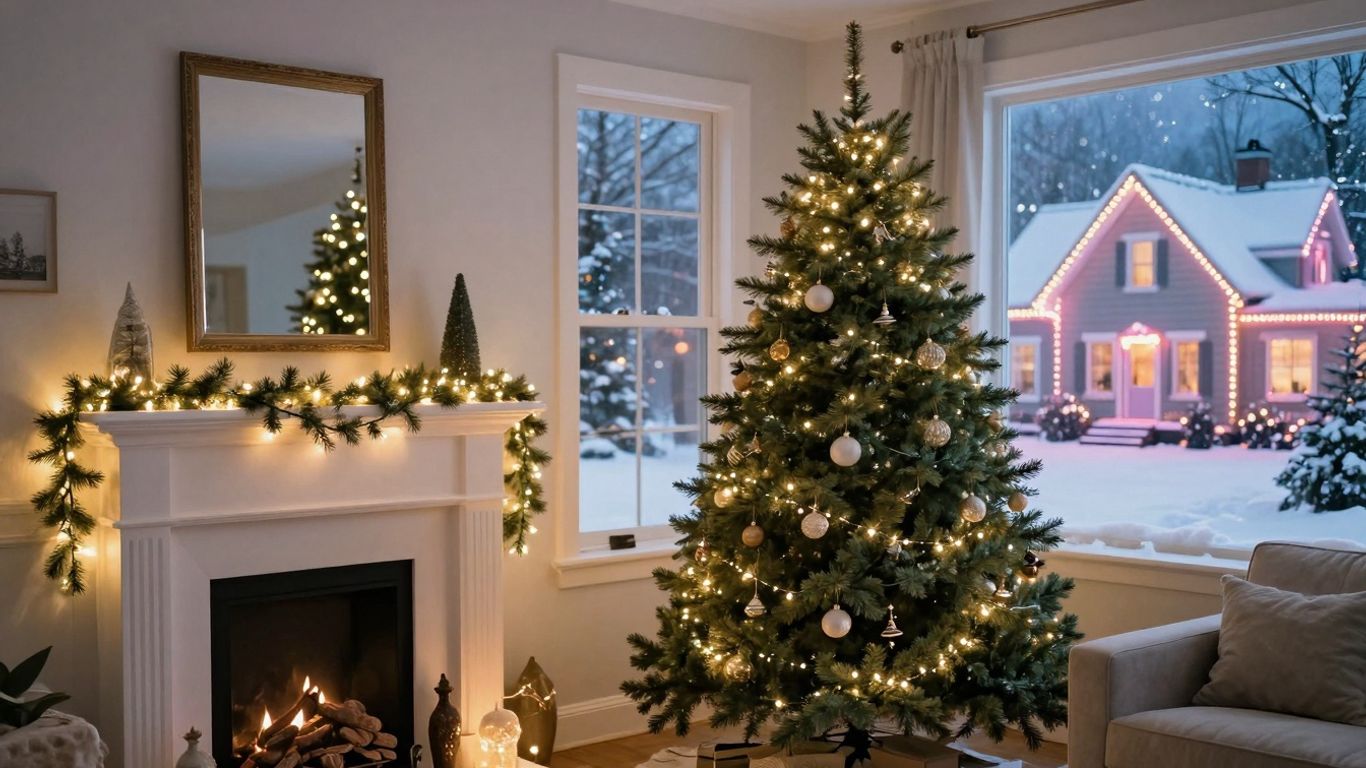
When we bring the festive cheer inside our homes, it’s easy to get caught up in the sparkle and forget about safety. But just like with outdoor decorations, indoor lights need careful attention to avoid any holiday mishaps. We want everyone to enjoy the season without any electrical worries.
Selecting Appropriate Indoor Lighting
Not all lights are made the same, and using the right kind indoors makes a big difference. We should always check the labels on our light sets. Look for lights that are specifically marked for indoor use. These are designed with different safety standards in mind compared to outdoor lights, which need to withstand rain and cold. Also, pay attention to the bulb type. Older incandescent bulbs can get quite hot, posing a fire risk if they touch curtains or other flammable materials. LED lights are a much cooler and safer option, using less energy too. It’s wise to choose lights that have been tested and approved by a recognized safety organization, like UL or ETL. This gives us extra peace of mind.
Avoiding Overloaded Outlets and Extension Cords
This is where things can get tricky. We often have more decorations than outlets, leading us to plug in more than we should. Overloading an outlet or an extension cord can cause them to overheat, which is a fire hazard. Think about it: a single outlet might power your tree lights, a few other decorative items, and maybe even a sound system. That’s a lot of draw on one circuit.
Here’s a simple way to think about it:
- Check the wattage: Each light string and decoration will have a wattage rating. Add these up for everything plugged into a single outlet or extension cord.
- Know your circuit limits: Most household circuits are designed for a certain amount of power. If you exceed this, the breaker will trip, or worse, the wiring could overheat.
- Use extension cords wisely: Only use extension cords rated for indoor use and make sure they are in good condition – no frayed wires or damaged plugs. Never run extension cords under rugs or carpets, as this can hide damage and trap heat.
We need to be mindful of how many lights and decorations we connect. It’s better to have a few well-placed, safely powered displays than to risk an electrical issue by trying to plug in too much. If you find yourself needing many extension cords, it might be a sign that you need to spread the load across different circuits or consider getting more outlets installed by a professional.
When in doubt, it’s always best to err on the side of caution. If a cord feels warm to the touch, or if breakers trip frequently, unplug everything and reassess. We want our homes to be bright and cheerful, not a fire hazard. For any complex wiring needs or if you’re unsure about your home’s electrical capacity, consulting with a qualified electrician is the safest bet.
Wrapping Up Your Holiday Lights Project
So, we’ve gone over how to get those festive lights up safely, both inside and out. It might seem like a lot, but taking these steps really helps avoid any holiday mishaps. We want everyone to enjoy the sparkle without any worries. Remember to check your lights, use the right kind of extension cords, and secure everything properly. A little bit of care now means a whole season of bright, happy decorations. Let’s make this holiday season bright and safe for all of us.
Frequently Asked Questions
What kind of lights should we use when decorating outside?
For outdoor use, we must choose lights specifically made to handle the weather. Look for labels that say ‘UL Wet Location’ or something similar. Also, ensure the cords are tough and can resist rain, snow, and cold without cracking or breaking. Using the wrong type can be a fire or shock hazard.
How can we prevent electrical problems when plugging in lots of lights?
We need to be careful not to plug too many lights into a single outlet or use too many extension cords chained together. This can overload the circuit, causing it to overheat and potentially start a fire. It’s best to spread the lights across different circuits in our home or use heavy-duty outdoor extension cords designed for the load.
Are there special safety checks we should do before putting up lights?
Absolutely. Before we even get the lights out, we should inspect them. We’ll check for any frayed wires, cracked sockets, or loose connections. If we find any damage, we should not use those lights. It’s also wise to make sure all plugs have their prongs intact and aren’t bent or broken. Safety first is our motto!
