


We’ve all heard about making our homes more energy efficient, right? Sometimes it feels like a big job, but updating your home’s electrical system with energy efficient home rewiring can actually make a big difference. It’s not just about safety, though that’s important. It’s also about how your home uses power. We’re going to look at how modernizing your wiring can help save energy and maybe even some money. Let’s get into it.
Key Takeaways
- Old wiring can waste energy and be a safety risk. Updating it with energy efficient home rewiring helps fix these problems.
- Newer electrical parts and smart technology work together to use power better, cutting down on waste.
- Better power flow and smart devices mean your home uses less electricity, which is good for your wallet and the environment.
Upgrading Your Electrical System For Energy Efficient Home Rewiring
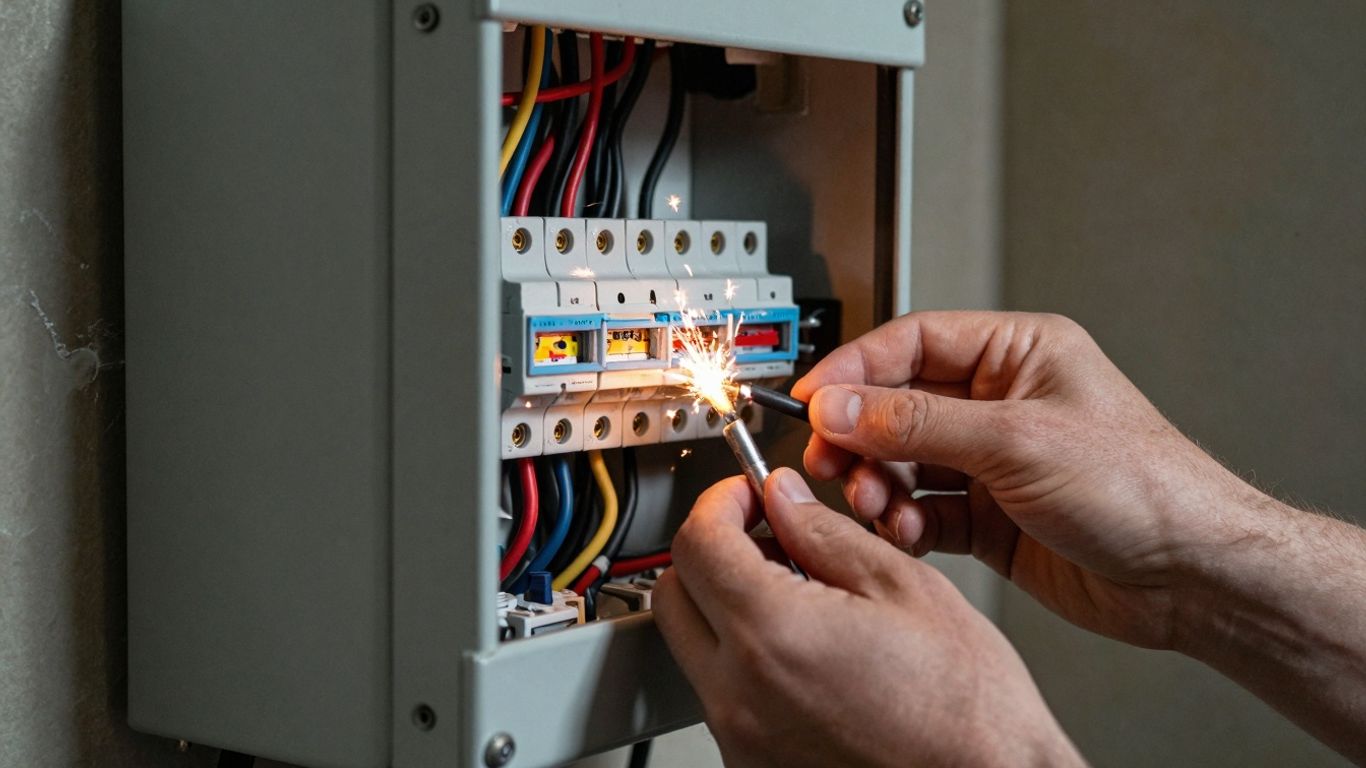
When we think about making our homes more energy efficient, we often focus on insulation or new appliances. But what about the wiring? Our home’s electrical system is the backbone of everything, and an old one can actually waste a surprising amount of energy. It’s time we looked at how upgrading our electrical system can make a real difference.
Identifying Outdated Wiring Issues
How do we know if our wiring is holding us back? There are a few signs we can look out for. Flickering lights are a common one, especially when you turn on a high-power appliance like a microwave or a vacuum. Another is if outlets feel warm to the touch, or if circuit breakers trip frequently. These aren’t just minor annoyances; they can point to overloaded circuits or connections that aren’t working as well as they should, leading to energy loss.
- Frequent breaker trips: This means your system is struggling to keep up with demand.
- Warm outlets or switches: A sign of resistance and potential energy waste.
- Dimming lights when appliances turn on: Indicates voltage drop, a sign of an inefficient system.
- Visible damage: Frayed wires or old, brittle insulation are clear warnings.
Old wiring systems weren’t designed for the number of electronics and appliances we use today. They can become overloaded, leading to inefficiency and even safety hazards. A modern system is built to handle current demands more effectively.
Benefits of Modern Electrical Components
Switching to modern electrical components does more than just make our homes safer. It directly impacts energy efficiency. Newer wiring materials are better at conducting electricity, meaning less energy is lost as heat. Modern circuit breakers are also more precise, preventing unnecessary power cuts while still protecting the system. Plus, upgrading allows us to install components that are designed with energy saving in mind, like dimmer switches or smart outlets that can be controlled remotely.
- Reduced energy loss: Better conductivity means less electricity wasted.
- Improved safety: Modern components are built to higher standards.
- Support for new technology: Accommodates energy-saving devices and smart home systems.
- Increased home value: An updated electrical system is a significant selling point.
Smart Solutions For An Energy Efficient Home Rewiring
Beyond just updating old wires, we can make our homes work smarter for us. Modern rewiring opens doors to technologies that help us use less energy without even thinking about it. It’s about making our homes more responsive to our needs and the environment.
Integrating Smart Home Technology
We can now connect devices in our homes in ways that were science fiction just a few years ago. Smart thermostats, for instance, learn our habits and adjust heating and cooling automatically. This means we aren’t wasting energy when we’re asleep or away. Smart lighting systems can dim lights when a room is empty or adjust brightness based on natural light. Think about smart plugs too; they let us control appliances remotely and even schedule them to turn off. This kind of connectivity is a big step towards a more efficient home.
- Smart Thermostats: Learn schedules, adjust temps remotely.
- Smart Lighting: Motion sensors, daylight harvesting.
- Smart Plugs: Remote control, energy monitoring.
- Smart Appliances: Optimized run times, energy-saving modes.
We’re not just talking about convenience here. These smart systems are designed to actively reduce energy consumption. They gather data and make adjustments, often in real-time, to keep our homes comfortable while using the least amount of power possible. It’s a quiet revolution happening right inside our walls.
Optimizing Power Distribution
When we rewire, we get a chance to rethink how electricity flows through our homes. Old wiring might have circuits that are overloaded or inefficiently laid out. A good rewiring job means we can create dedicated circuits for high-demand appliances, like ovens or electric vehicle chargers. This prevents strain on the system and can even reduce energy loss. We can also install better load balancing, making sure power is distributed evenly. This helps everything run more smoothly and efficiently.
Here’s a look at how we can improve distribution:
- Dedicated Circuits: Separate circuits for major appliances reduce load and improve safety.
- Load Balancing: Distributes power evenly across circuits, preventing overloads.
- Modern Breaker Panels: Offer better protection and easier management of circuits.
- Proper Wire Gauging: Using the correct wire size for each circuit minimizes resistance and energy loss.
Upgrading to a modern electrical panel with appropriately sized breakers and wiring is key to efficient power distribution. It’s like upgrading a highway system; better roads mean smoother, faster, and less wasteful travel for electricity.
Wrapping Things Up
So, we’ve talked about how updating your home’s wiring isn’t just about safety, though that’s a big part of it. It’s also a really practical way to make your house use less energy. Think about it: old wires can be leaky, making your heating and cooling work harder than they need to. Newer, properly installed systems mean less wasted power. It might seem like a big job, and sometimes it is, but the long-term savings on your electricity bill and the comfort of knowing your home is running more efficiently are definitely worth considering. We hope this gives you a clearer picture of why a rewiring project could be a smart move for your home and your wallet.
Frequently Asked Questions
Why should we think about updating our home’s old wires?
Older wiring in our homes can be like a clogged pipe for electricity. It might not handle all the power our gadgets need today, leading to wasted energy and higher bills. Updating it means our electrical system works better and uses less power, which is good for our wallets and the planet.
How do new electrical parts help save energy?
When we swap out old, worn-out electrical parts for newer ones, we’re essentially giving our home a tune-up. These modern components are designed to be more efficient, meaning they don’t lose as much energy as heat. Think of it like getting a fuel-efficient car; it gets you where you need to go using less gas. Similarly, updated parts help our home use electricity more wisely.
Can smart home gadgets really make our house more energy-smart?
Absolutely! Smart home technology is like giving our house a brain. We can use apps to control lights, heating, and cooling, even when we’re not home. This means we don’t waste power by leaving things on by accident. We can also set schedules so things only run when we need them, making our energy use much smarter and more controlled.
