


Winter brings its own set of challenges for our homes, and the electrical system is no exception. As temperatures drop and we rely more on heating and lighting, it’s a good time to think about how our electrical setup holds up. We’ll look at some common issues that pop up when it gets cold and how we can handle them to keep things running smoothly and safely.
Key Takeaways
- We need to protect outdoor electrical parts from ice and water to prevent damage.
- Inside, we must manage the extra power needed for heating and check for any worn-out wiring.
- Doing regular checks on cords and plugs, and knowing how to use generators safely, are important steps for electrical winter maintenance.
Protecting Outdoor Electrical Systems From Winter’s Wrath
Winter weather can be tough on our outdoor electrical setups. We often forget about these systems until something goes wrong, but they need attention too, especially when the temperature drops and precipitation increases. Ice, snow, and freezing temperatures can cause a surprising amount of damage if we’re not careful.
Preventing Ice Buildup on Exterior Outlets
Exterior outlets are particularly vulnerable. Water can seep into the outlet box, and when it freezes, it expands. This expansion can crack the plastic housing, damage the internal wiring, and even loosen the outlet from the wall. We need to make sure our exterior outlets are properly protected.
Here’s what we can do:
- Install In-Use Covers: These are the deep, box-like covers that allow you to plug something in and still close the cover. They offer much better protection than standard flip covers.
- Check Gaskets: The rubber gaskets around outlet covers are key. If they look cracked or worn, replace them. They create a seal that keeps water out.
- Seal Around the Box: Use exterior-grade caulk to seal any gaps between the outlet box and the siding of your house. This stops water from getting behind the box.
- Consider Weatherproof Boxes: For new installations or replacements, opt for heavy-duty, weatherproof outlet boxes designed specifically for outdoor use.
Ensuring Proper Sealing of Outdoor Connections
It’s not just outlets; any outdoor electrical connection needs to be secure and protected. Think about lighting fixtures, any temporary power sources, or even connections for holiday decorations. Water getting into these can lead to short circuits, corrosion, and potential safety hazards.
We must treat outdoor electrical connections with the same care we give to indoor ones, if not more, because they face harsher conditions.
- Use Waterproof Connectors: For any splices or connections made outdoors, always use waterproof wire nuts or connectors. These are designed to keep moisture out.
- Secure All Cords: Make sure all extension cords and outdoor power cords are rated for outdoor use and are in good condition. Avoid running them under rugs or anywhere they could be pinched.
- Inspect Holiday Lights: If you’re using lights, check the wires for any fraying or damage before plugging them in. Use outdoor-rated lights and avoid overloading circuits.
- Test GFCI Outlets: Ground Fault Circuit Interrupter (GFCI) outlets are designed to shut off power if they detect a ground fault, which can happen when water is involved. Test them monthly using the ‘Test’ and ‘Reset’ buttons to make sure they’re working correctly. This is a simple step that offers significant safety benefits.
Indoor Electrical Safety During Cold Weather
As the temperatures drop, we tend to rely more on our home’s electrical systems to keep us warm and comfortable. This increased usage can put a strain on our wiring and appliances, leading to potential hazards if we’re not careful. We need to pay close attention to how our electrical systems are handling the extra load.
Managing Increased Load From Heating Appliances
When winter hits, our heaters, space heaters, and even lights are running much more often. This means our electrical circuits are working overtime. Overloaded circuits are a common cause of electrical fires, so it’s important to be aware of the signs.
- Check your circuit breaker panel regularly. If breakers are tripping frequently, it’s a sign that a circuit is overloaded. Don’t just keep resetting them; investigate why it’s happening.
- Avoid using multiple high-wattage appliances on the same circuit. This includes things like space heaters, hair dryers, and microwaves. Spread them out across different circuits if possible.
- Inspect your heating appliances. Make sure they are in good working order and that their cords aren’t frayed or damaged. Old or faulty heaters can draw too much power or pose a fire risk.
We often forget that our home’s electrical system has limits. Pushing those limits, especially during peak usage times like winter, can lead to problems we’d rather avoid. A little awareness goes a long way in keeping our homes safe.
Identifying and Addressing Faulty Wiring
Cold weather can sometimes expose pre-existing issues with our home’s wiring. Things like brittle insulation or loose connections can become more problematic when the demand on the system increases.
- Look for warning signs. Flickering lights, outlets that feel warm to the touch, or a persistent burning smell are all indicators that something might be wrong with your wiring.
- Don’t ignore buzzing sounds. If you hear any unusual buzzing or crackling noises coming from outlets or switches, it’s a clear sign to stop using that circuit and call a professional.
- Consider a professional inspection. If your home is older or you suspect there might be issues, having an electrician come out for a thorough inspection can catch problems before they become serious.
We need to be proactive about our home’s electrical health, especially when the weather outside is harsh. A little bit of attention now can prevent a lot of trouble later.
Essential Electrical Winter Maintenance Tips
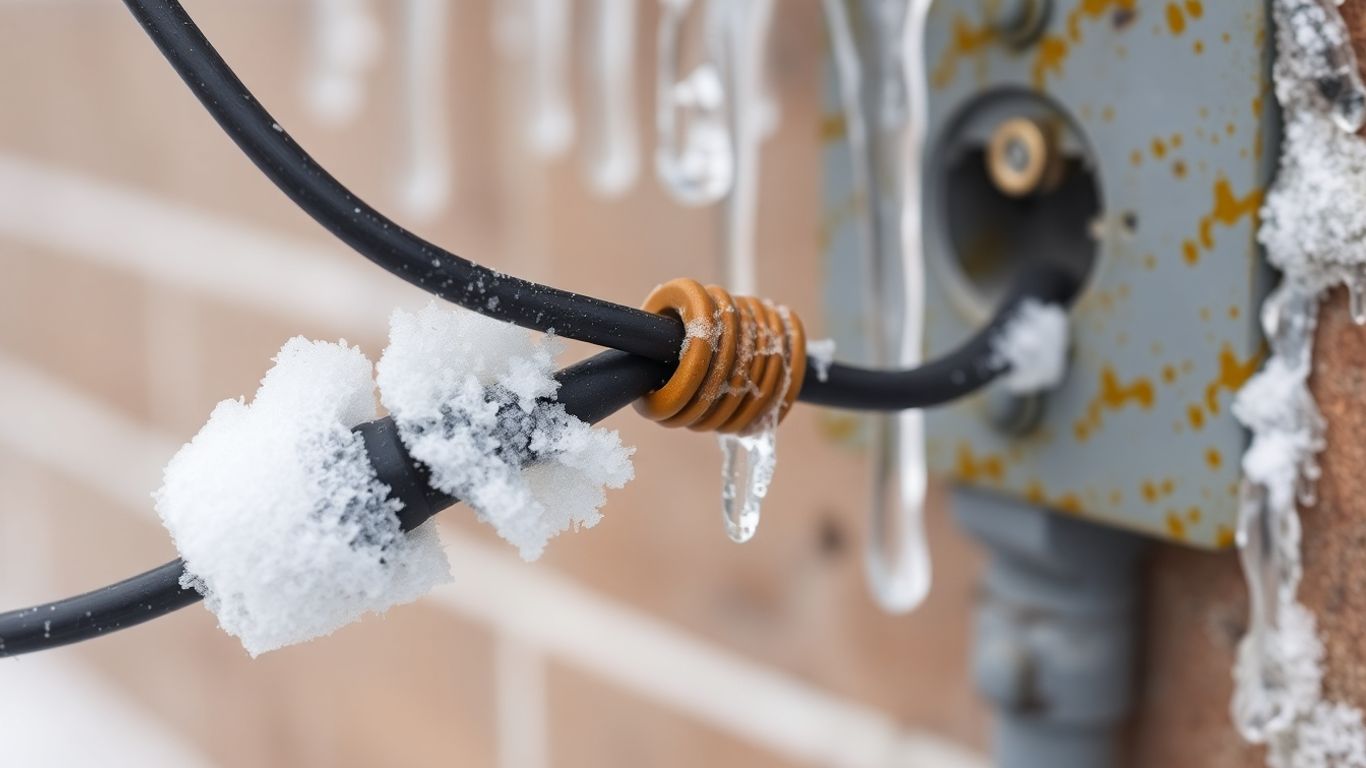
As the temperatures drop and we spend more time indoors, it’s a good time to give our electrical systems a little extra attention. Winter can put a strain on things, and a little proactive care can prevent bigger headaches down the road. We’ve found that staying on top of a few key maintenance tasks makes a big difference.
Regularly Inspecting Cords and Plugs
We all have those extension cords and appliance plugs that get used a lot, especially during the colder months when we might be running extra heaters or holiday lights. It’s easy to overlook them, but frayed cords or damaged plugs are a real fire hazard. Take a few minutes to look over all your electrical cords. Check for any nicks, cuts, or exposed wires. Also, make sure the prongs on the plugs aren’t bent or loose. If you find any damaged cords or plugs, don’t try to repair them yourself. It’s much safer to replace them entirely. A damaged cord is a serious safety risk that shouldn’t be ignored.
Understanding Generator Safety for Power Outages
Power outages seem to happen more often when the weather gets rough. Having a generator can be a lifesaver, but using one incorrectly can be dangerous, even deadly. The biggest risk is carbon monoxide poisoning. Generators should always be operated outdoors, far away from windows, doors, and vents. Never run a generator inside a garage, basement, or any enclosed space. Make sure you have working carbon monoxide detectors in your home. Also, be careful when connecting your generator to your home’s electrical system. Using a transfer switch installed by a qualified electrician is the safest way to do this. Backfeeding power into utility lines can injure or kill utility workers. We’ve heard too many stories about improper generator use, so please be careful.
- Always operate generators outdoors in a well-ventilated area.
- Keep generators at least 20 feet away from your house.
- Never plug a generator directly into a wall outlet.
- Install carbon monoxide detectors on every level of your home.
- Have a qualified electrician install a transfer switch for safe connection to your home’s wiring.
Staying Safe This Winter
We’ve looked at some common electrical problems that pop up when the weather gets cold. From overloaded circuits to issues with outdoor wiring, these things can be a real headache. By taking simple steps like checking your cords, not using too many things on one outlet, and making sure your outdoor lights are in good shape, we can help prevent bigger issues. It’s always better to be safe than sorry, especially when it comes to electricity. If you’re ever unsure about something, it’s best to call a qualified electrician. Staying aware and doing a little bit of checking can go a long way in keeping our homes safe and warm all winter long.
Frequently Asked Questions
What are the main electrical dangers we should watch out for when it gets cold outside?
During winter, our outdoor electrical setups can face problems from ice and moisture. We need to make sure our outside outlets are protected from freezing over, which can damage them. Also, it’s super important that all the connections outside are sealed up tight to keep water and ice from getting in and causing trouble.
How can we keep our homes safe electrically when we’re using more heaters in the winter?
When the temperature drops, we often plug in more heating devices, which puts a bigger strain on our electrical system. We must be mindful of this extra load to avoid overloading circuits. It’s also wise for us to check our wiring regularly for any signs of damage or wear, especially in older homes, to prevent potential hazards.
What simple checks can we do to keep our electrical stuff in good shape all winter long?
We should make it a habit to look over our electrical cords and plugs frequently. If we see any fraying, cracks, or bent prongs, we need to fix or replace them right away. Additionally, if we rely on generators during power outages, we must learn how to use them safely to protect ourselves and our equipment from harm.
