


As winter approaches in Wichita, we often think about heating and insulation, but the electrical system that powers it all needs attention too. The breaker panel is the heart of our home’s electricity. Making sure it’s ready for the cold is important. We need to pick the right one and get it put in correctly, especially when the temperatures drop. Let’s look at what goes into choosing and installing a breaker panel that can handle our local winter weather.
Key Takeaways
- We need to figure out how much electricity our home uses, especially during winter, to pick the right size breaker panel. This helps avoid problems.
- When installing a breaker panel for Wichita winters, we should think about how it will hold up against the cold and weather. Getting it installed by a pro is a good idea.
- Proper breaker panel installation means our home’s electrical system will work safely and reliably when we need it most during the cold months.
Understanding Breaker Panel Needs for Wichita Winters
When we think about preparing our homes for the colder months here in Wichita, we often focus on insulation and heating systems. But what about the electrical system? It’s easy to overlook, yet it plays a big role, especially when the temperatures really drop.
Assessing Your Home’s Electrical Load
Before we even look at a new breaker panel, we need to figure out how much power our homes actually use. This is what we call the electrical load. Think about all the things that draw electricity in your house: the furnace, space heaters (which we might use more in winter), the oven, lights, TVs, computers, and all those small appliances. During winter, our usage often goes up. We run the furnace more, maybe use extra lights because it gets dark earlier, and perhaps even plug in more devices to keep warm or entertained indoors.
We should take a look at our current panel and see what it’s rated for. If it’s an older home, the original panel might not be equipped to handle the demands of modern living, let alone the extra strain of winter.
- List of Common High-Draw Appliances in Winter:
- Furnace/Heating System
- Electric Space Heaters
- Water Heater
- Oven and Stove
- Washing Machine and Dryer
- Dishwasher
Selecting the Right Breaker Panel Size
Once we have a good idea of our home’s electrical needs, we can pick the right size panel. The size is measured in amps. A common size for many homes is 100 amps, but with more electronics and heating demands, 150 or even 200 amps might be necessary. Getting a panel that’s too small means it could trip frequently, leaving us in the dark or without heat. That’s not something we want when it’s freezing outside.
We need to consider not just our current needs but also any future additions. Are we planning to add a hot tub, a new appliance, or maybe even an electric vehicle charger down the line? It’s better to get a panel with a bit of extra capacity now than to have to upgrade again soon.
A properly sized breaker panel is like a well-managed traffic controller for electricity in our homes. It directs power where it’s needed without getting overwhelmed, especially during those peak usage times that winter often brings. Making sure it’s the right size prevents overloads and keeps everything running smoothly and safely.
Key Considerations for Breaker Panel Installation in Cold Climates
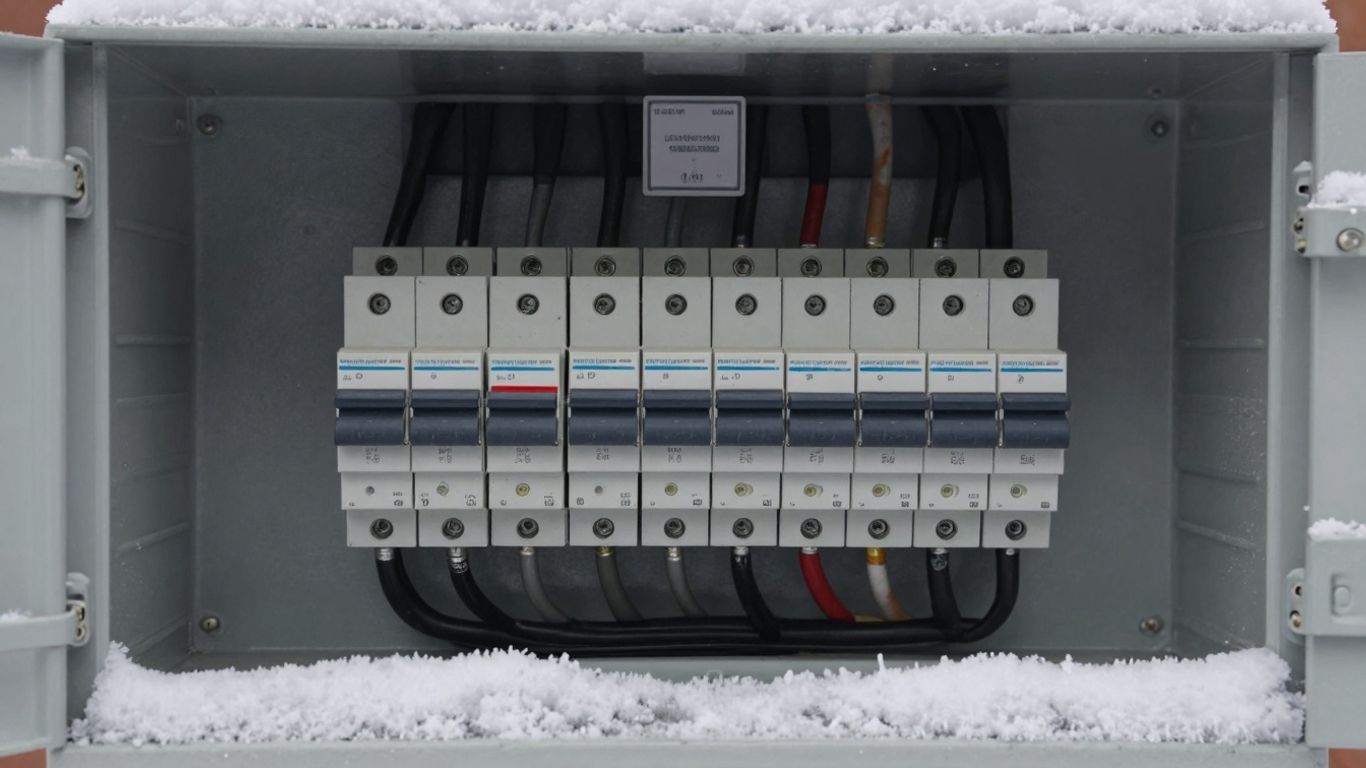
When we think about preparing our homes for Wichita winters, we often focus on insulation and heating systems. But the electrical system, especially the breaker panel, needs special attention when the temperatures drop. A properly installed and protected panel is vital for safety and reliability when we need our power the most.
Weatherproofing and Durability
Our breaker panels are often located in garages, basements, or utility closets, spaces that can get pretty cold and damp during the winter. We need to make sure the panel itself and its enclosure are built to withstand these conditions. Look for panels with a high NEMA rating, which tells us how well it’s protected against things like dust and water. For our area, a NEMA 3R or NEMA 4 enclosure is usually a good bet. These offer protection against falling rain and sleet, which is important if the panel is in a less protected area.
- Corrosion Resistance: Cold, damp air can lead to rust. We should choose panels made from materials that resist corrosion, like galvanized steel or aluminum, especially if the installation location is prone to moisture.
- Temperature Tolerance: Electrical components can behave differently in extreme cold. While most modern panels are designed for a wide range of temperatures, it’s good to confirm the operating temperature range specified by the manufacturer.
- Impact Resistance: Garages and utility areas can see bumps and knocks. A sturdy enclosure protects the delicate breakers inside from accidental damage.
We must remember that a breaker panel isn’t just a box of switches; it’s the heart of our home’s electrical system. Protecting it from the elements means protecting our family and our property.
Professional Breaker Panel Installation Services
Installing or replacing a breaker panel is not a DIY job, especially when cold weather adds extra challenges. We always recommend hiring a qualified electrician. They have the knowledge and tools to do the job right, safely, and in compliance with local codes. This is even more important in winter.
- Safety First: Working with electricity is dangerous. A professional ensures all connections are secure and that the system is grounded properly, reducing the risk of shocks or fires.
- Code Compliance: Electricians know the local building codes. They’ll make sure the installation meets all requirements, which is important for safety and if we ever need to sell our home.
- Efficiency and Longevity: A correctly installed panel will operate more efficiently and last longer. This means fewer headaches down the road, especially during those harsh winter months when we rely on our power.
Getting the right breaker panel installed by a professional is an investment in our home’s safety and comfort throughout the year, particularly during the challenging Wichita winters.
Wrapping Up Our Breaker Panel Talk
So, we’ve gone over why picking the right breaker panel matters, especially when Wichita’s winter weather hits hard. It’s not just about having power; it’s about having reliable power when you need it most. We looked at different types and what to think about before you buy. Making a smart choice now means fewer headaches later, especially when those cold snaps roll in. We hope this helps you figure out what works best for your home. Stay warm out there!
Frequently Asked Questions
How do we figure out how much electricity our house uses?
To understand our home’s electricity needs, we should look at all the appliances and devices we use. Think about things like your heater, oven, lights, and any electronics. Adding up the power each of these uses will give us a good idea of the total electrical load. We can often find this information on the appliance itself or in its manual. A qualified electrician can also help us calculate this accurately.
Why is it important for our breaker panel to be tough in cold weather?
When winter hits Wichita, the weather can be harsh. Our breaker panel needs to be built strong and protected from the elements, like moisture and extreme cold. This ensures it works safely and reliably, preventing electrical problems that could leave us without heat or power when we need it most. A well-protected panel is key to keeping our homes safe and warm.
Should we hire someone to put in our new breaker panel?
Yes, we strongly recommend hiring a professional. Installing a breaker panel involves working with electricity, which can be dangerous if not done correctly. Experienced electricians know the safety rules and best practices. They can make sure the panel is installed properly, is the right size for our needs, and meets all the local codes. This gives us peace of mind and ensures our electrical system is safe and dependable.
